
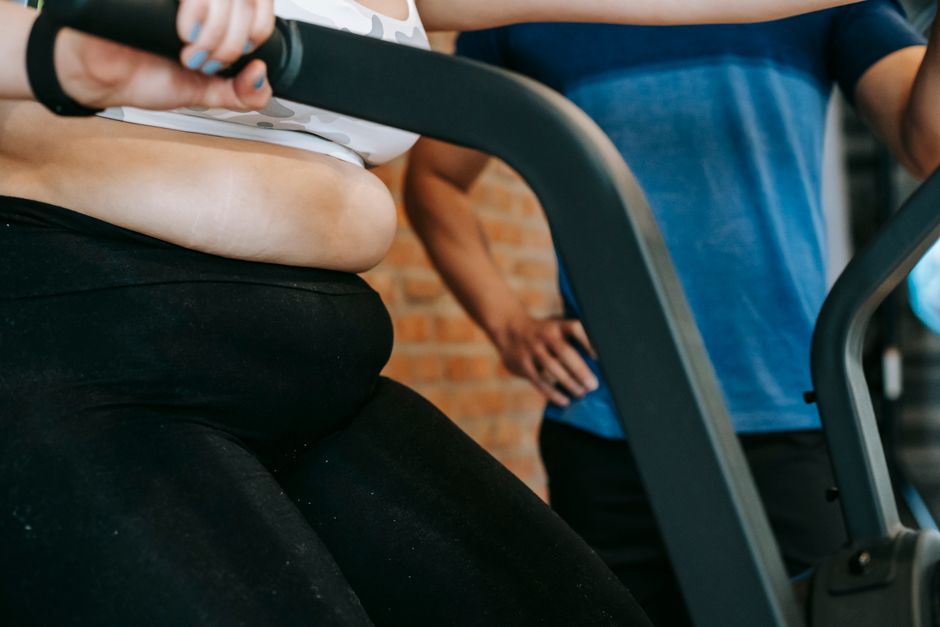
Yes, cycling can help reduce belly fat, but not because it targets fat loss in one specific area. Research shows that consistent cycling burns calories, improves metabolic health, and builds muscle. Over time, these changes contribute to overall fat loss, including around your midsection. The key is understanding how the body actually loses fat and what cycling does and does not do.
Does Cycling Directly Target Belly Fat?
No exercise can target belly fat specifically. This is a common myth. When you lose fat, your body decides where it comes from. Genetics play a large role in that process.
Cycling is a full-body cardiovascular exercise. It burns a significant number of calories. A 155-pound person burns roughly 260 calories in 30 minutes of moderate cycling. Over weeks and months, this calorie deficit leads to fat loss from all over the body.
The fat around your stomach is often called visceral fat. This is the dangerous type that wraps around your organs. Studies have found that moderate-to-vigorous aerobic exercise like cycling is effective at reducing visceral fat. Research published in the Journal of Applied Physiology found that aerobic exercise reduced visceral fat by about 20% in overweight adults over a period of several months.
How Much Cycling Do You Need to See Results?
Consistency matters more than intensity for belly fat loss. The American College of Sports Medicine recommends at least 150 minutes of moderate-intensity aerobic exercise per week for general health. For weight loss and fat reduction, 200 to 300 minutes per week is more effective.
That breaks down to roughly 40 to 60 minutes of cycling most days of the week. This does not need to be high-intensity. A steady pace where you can still hold a conversation is enough to create the calorie deficit needed for fat loss.
A study in the International Journal of Obesity followed adults who walked or cycled for 45-60 minutes daily. After 12 weeks, they lost an average of 3.5% of their body fat. The belly fat reduction was proportional to their overall fat loss.
If you are new to cycling, start with 20-30 minute sessions three times per week. Increase by 5-10 minutes each week. This reduces injury risk and helps your body adapt.
What About High-Intensity Interval Cycling?
High-intensity interval training (HIIT) on a bike is popular for a reason. Short bursts of maximum effort followed by rest periods burn calories quickly. Some studies suggest HIIT can reduce visceral fat more efficiently than steady-state cardio.
Research from the Journal of Diabetes Research compared HIIT cycling to moderate cycling over 12 weeks. Both groups lost body fat. The HIIT group lost slightly more visceral fat in a shorter total workout time. However, HIIT is harder on the joints and requires more recovery time.
Here is a simple comparison table to understand the differences:
| Type | Typical Session | Calories Burned (155-lb person, 30 min) | Key Benefit for Belly Fat |
|---|---|---|---|
| Moderate steady cycling | 30-60 min at conversational pace | ~260 | Sustainable daily habit, consistent calorie burn |
| HIIT cycling | 20 min, 30 sec sprint / 30 sec rest | ~300-350 | May reduce visceral fat faster per minute |
| Long endurance cycling | 90+ min at easy pace | ~600+ | High total calorie burn, builds aerobic base |
For most people, a mix of both works best. Two or three steady rides per week plus one HIIT session gives you the benefits of both approaches without overtraining.





Does Cycling Help in Reducing Belly Fat Without Diet Changes?
This is where many people get frustrated. Cycling alone can reduce belly fat, but only if you are in a calorie deficit. If you burn 300 calories on a bike ride but eat an extra 500 calories that day, you gain fat rather than lose it.
Diet and exercise work together. A 2017 study in Obesity Reviews analyzed multiple trials. The researchers found that combining aerobic exercise with dietary changes resulted in 5-7% more visceral fat loss than exercise alone.
Protein intake matters too. When you cycle regularly, your body needs protein to repair muscle tissue. Eating enough protein also helps with satiety, making it easier to maintain a calorie deficit. Aim for about 0.7 grams of protein per pound of body weight daily if you are cycling regularly.
Some people report that cycling increases their appetite. If you find yourself hungrier after rides, pay attention to portion sizes. A post-ride snack like a banana or a small protein shake is fine. A full extra meal is likely too much if fat loss is your goal.
What About Spot Reduction Myths and Misconceptions
The idea that you can lose belly fat by doing endless crunches or specific exercises is not supported by evidence. This is called spot reduction, and it has been debunked repeatedly. A 2013 study in the Journal of Strength and Conditioning Research had participants do abdominal exercises five days a week for six weeks. They did not lose any significant belly fat.
Cycling does not spot-reduce belly fat either. But it is one of the most effective whole-body fat-burning exercises available. The key difference is that cycling burns a high number of total calories compared to many other forms of exercise.
Here are some other common misconceptions about belly fat and cycling:
- Myth: Leaning forward on the bike targets belly fat. Fact: Body position does not change where fat is burned.
- Myth: Sweating more means losing more belly fat. Fact: Sweat is water loss, not fat loss. Rehydrating replaces it.
- Myth: Cycling makes your waist smaller by tightening core muscles. Fact: Stronger core muscles improve posture but do not reduce fat around the midsection.
- Myth: You can out-exercise a poor diet. Fact: Diet has a larger impact on body composition than exercise for most people.
Understanding these myths saves you from wasted effort. Focus on total calorie burn and consistency rather than trying to target a specific area.
Practical Tips to Make Cycling Work for Belly Fat
Start with what you can sustain. A 30-minute ride three times a week is more effective than a two-hour ride once a week. Consistency builds the habit and keeps your metabolism active.
Track your rides. Use a simple app or notebook to log distance, time, and how you felt. Seeing progress over weeks helps maintain motivation. A 2019 study in the Journal of Medical Internet Research found that people who tracked their exercise lost more weight than those who did not.
Mix in strength training. Cycling is excellent for cardiovascular health, but it does not build much upper body muscle. Adding two strength sessions per week increases your resting metabolic rate. More muscle means you burn more calories even at rest. Simple bodyweight exercises like push-ups, squats, and lunges work well alongside cycling.
Pay attention to sleep. Poor sleep increases cortisol levels, which is linked to higher belly fat storage. Research from the Journal of Clinical Sleep Medicine found that people who slept less than six hours per night had 11% more visceral fat than those who slept seven to eight hours. Cycling helps improve sleep quality for many people, creating a positive cycle.
Be patient. Visible belly fat reduction takes time. Most studies show measurable changes after 8 to 12 weeks of consistent exercise. Do not expect to see results in two weeks. If you stick with it, the changes will come.
When Cycling Might Not Be Enough
Some health conditions make fat loss harder regardless of exercise. Hormonal imbalances like hypothyroidism or insulin resistance can slow progress. If you have been cycling consistently for three months with no visible change in belly fat, it may be worth checking with a doctor.
Menopause is another factor. Declining estrogen levels during menopause shift fat storage toward the abdomen. A 2020 review in Menopause Review noted that aerobic exercise like cycling still helps, but the rate of fat loss may be slower. Combining cycling with resistance training and a lower-carb diet pattern showed better results for this group.
Age also affects metabolism. After age 40, muscle mass naturally declines by about 1% per year. This lowers your resting calorie burn. Cycling helps slow this decline but does not stop it entirely. Strength training becomes more important as you age.
If you have joint pain or balance issues, consider a stationary bike. Recumbent bikes provide back support and reduce pressure on the knees. The calorie burn is similar to outdoor cycling when done at the same intensity.
Frequently Asked Questions
How long does it take to see belly fat loss from cycling?
Most people see measurable changes after 8 to 12 weeks of consistent cycling. Visible belly fat reduction depends on your starting point, diet, and how often you ride.
Is indoor cycling as effective as outdoor cycling for belly fat?
Yes, indoor cycling burns similar calories when done at the same intensity. The key is maintaining effort level rather than coasting or stopping frequently.
Can cycling reduce belly fat if I already have a healthy diet?
Yes, cycling creates additional calorie burn that accelerates fat loss. It also improves insulin sensitivity, which helps your body use fat for energy more efficiently.
Should I cycle on an empty stomach to burn more belly fat?
Research does not support fasted exercise for greater belly fat loss. Your body burns a mix of fat and carbohydrates regardless of when you last ate. Eat a light snack if needed for energy.
