
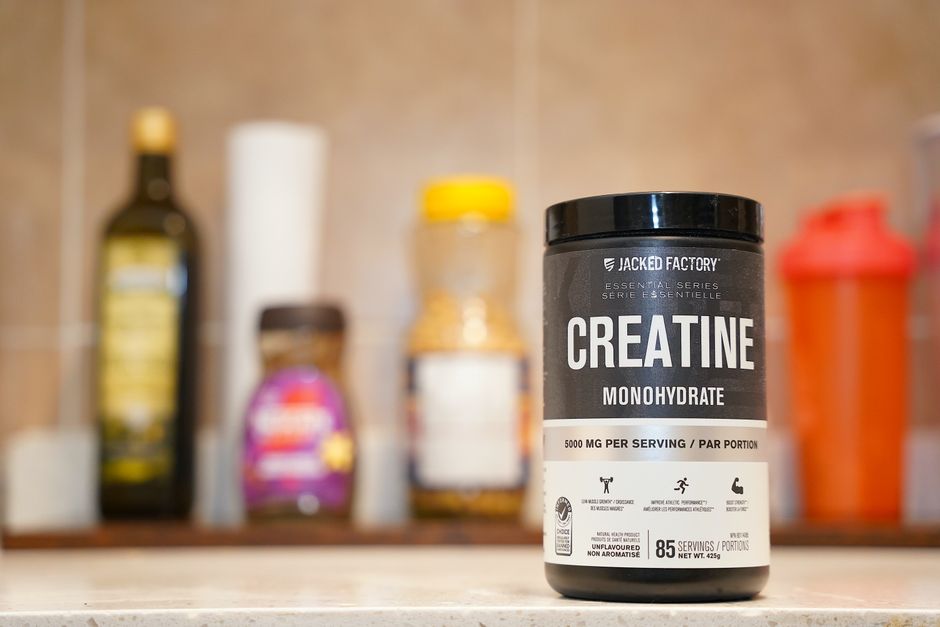
Creatine does not make you fat. It has no calories, it does not convert into body fat, and study after study finds that people who take it gain lean mass, not fat mass. What creatine does do is pull water into your muscle cells. That can add a few pounds on the scale in the first week or two, and that is where the confusion starts.
The short answer: creatine can change your weight, but not by adding fat. Any weight gain is water inside muscle tissue or new muscle you built while training harder. If your clothes fit differently or the scale moved, it is almost certainly not fat.
Does Creatine Make You Fat?
No. Creatine is not a calorie. It is a compound your body already makes and stores in muscle, and it plays a role in how your muscles produce quick energy during short, hard efforts. Fat gain requires a calorie surplus — eating more energy than you burn. Creatine does not add calories and does not change how your body stores fat in any meaningful way.
What creatine can do is increase your body weight. When you start supplementing, creatine draws water into your muscle cells. This is called intracellular water retention, and it is the reason many people see the scale go up by a few pounds within the first couple of weeks. That water sits inside the muscle, not under your skin as fat.
This matters because body weight and body fat are two different things. A scale cannot tell them apart. If you gain 3 pounds of water and lose 2 pounds of fat, the scale shows a gain while your body composition actually improved. This is the single most common reason people think creatine made them fat.
Why Does Creatine Make the Scale Go Up?
The weight gain from creatine is water, and the mechanism is well understood. Creatine is stored in muscle as phosphocreatine. To hold it there, muscle cells also hold more water. The two go together. When muscle creatine content rises, water content rises with it.
This effect is temporary and plateaus. Most of the water-related weight gain happens in the first week or two of use and then levels off. It does not keep climbing indefinitely on a stable dose. If your weight keeps rising week after week, something else is driving it — most often diet, training volume, or a change in activity.
There is a useful distinction here. The water creatine pulls in goes inside the muscle cell. Some people confuse this with the puffiness that comes from other causes, like high sodium intake, which can sit under the skin. These are not the same thing. Intracellular water inside muscle tends to make muscles look fuller, not softer.
Does Creatine Increase Body Fat?
No controlled research shows creatine increases body fat. When studies measure body composition — usually with tools like DEXA scans that separate lean mass from fat mass — the pattern is consistent. Creatine users tend to gain lean mass. Fat mass stays about the same or decreases, especially when creatine is combined with resistance training.
One thing to be honest about: many of these studies are short, often several weeks to a few months. Long-term body composition data on creatine is more limited. The evidence we have does not point to fat gain, but it is not an infinite body of research either.
There is also a real-world confound. Creatine is often started at the same time as a new training program or a higher-calorie diet aimed at building muscle. If someone eats more to support training and gains some fat along with muscle, that is the calorie surplus doing it, not the creatine. The supplement gets blamed because it started around the same time.



Does Creatine Help You Build Muscle or Lose Fat?
Creatine has strong evidence for supporting muscle and strength gains when paired with resistance training. This is one of the most studied supplements in sports nutrition, and the findings are fairly consistent: people who train with weights and take creatine tend to gain more lean mass and strength than those who train without it.
For fat loss, the picture is different and weaker. Creatine is not a fat burner. It does not directly increase fat loss in any proven way. Any fat loss associated with creatine use comes indirectly — more muscle can mean a slightly higher resting energy expenditure, and better training performance can mean more calories burned during workouts. Those effects are real but modest, and they are not the same as creatine melting fat away.
If your goal is fat loss, creatine is not the tool for that job. It is a performance and muscle-building supplement. Treating it as a weight-loss product will lead to disappointment.
Does Creatine Cause Water Retention or Bloating?
Creatine causes water retention inside muscle, and that is expected. The bloating people worry about — a puffy, swollen feeling under the skin — is not the typical experience for most users at standard doses. The water goes where the creatine goes, which is into muscle tissue.
That said, experiences vary. Some people report feeling a bit heavier or fuller in the first weeks. A minority notice more noticeable puffiness. If you are sensitive to this, it usually settles as your body adjusts. If it does not settle, that is worth paying attention to.
One clarification worth making: the weight from water retention is not fat, and it is not permanent in the sense of being a side effect you carry forever. It reflects how much creatine and water your muscles are holding. If you stop taking creatine, muscle creatine levels gradually fall, and the associated water tends to follow.
What Should You Expect When You Start Creatine?
Expect the scale to move a little, and expect it to be water. A typical pattern is a modest weight increase in the first week or two that then holds steady. After that, any further weight change reflects your training, your diet, and how much muscle you are building.
A few practical points that are well established:
- Creatine is not a calorie source and does not turn into fat.
- Early weight gain is mostly water inside muscle.
- Body composition studies generally show lean mass gains, not fat gains.
- Creatine supports muscle and strength when combined with resistance training.
- Creatine is not a fat-loss supplement.
If you are tracking progress, a scale alone will mislead you. Waist measurements, how clothes fit, and progress photos give a clearer picture than body weight by itself, because they are less affected by short-term water shifts.
Should You Worry About Weight Gain From Creatine?
For most healthy adults, the weight change from creatine is small, temporary, and not fat. It is not a reason to avoid a supplement with some of the strongest evidence in sports nutrition. If the number on the scale bothers you, understanding that it is water can take most of the sting out of it.
There are situations where you should talk to a clinician before starting any supplement, including creatine. If you have kidney disease, liver disease, or any condition affecting how your body handles fluids or filtration, get medical guidance first. Creatine is generally considered safe for healthy adults in the research, but that does not automatically extend to people with certain medical conditions.
If you are pregnant or breastfeeding, note this plainly: no clinical guidelines currently establish creatine dosing or safety for these groups. Do not assume it is fine just because it is common in gyms.
The bottom line is straightforward. Creatine does not make you fat. It can make the scale go up because of water inside your muscles, and it can help you build lean mass if you train. Those are the facts the research supports.
Frequently Asked Questions
Does creatine make you fat?
No, creatine does not make you fat because it contains no calories and does not convert into body fat. Any weight gain is water inside muscle or new lean tissue, not fat.
Why did I gain weight after starting creatine?
Creatine pulls water into your muscle cells, which can add a few pounds on the scale in the first week or two. This water is stored inside muscle, not as fat under your skin.
Does creatine cause belly fat or bloating?
Creatine does not cause belly fat, and the water it retains goes into muscle rather than under the skin for most people. Some users notice mild fullness early on, which usually settles as the body adjusts.
Will I lose the water weight if I stop taking creatine?
Yes, muscle creatine levels gradually fall when you stop, and the associated water tends to follow. The weight lost this way is water, not fat, so it does not reflect fat loss.
