
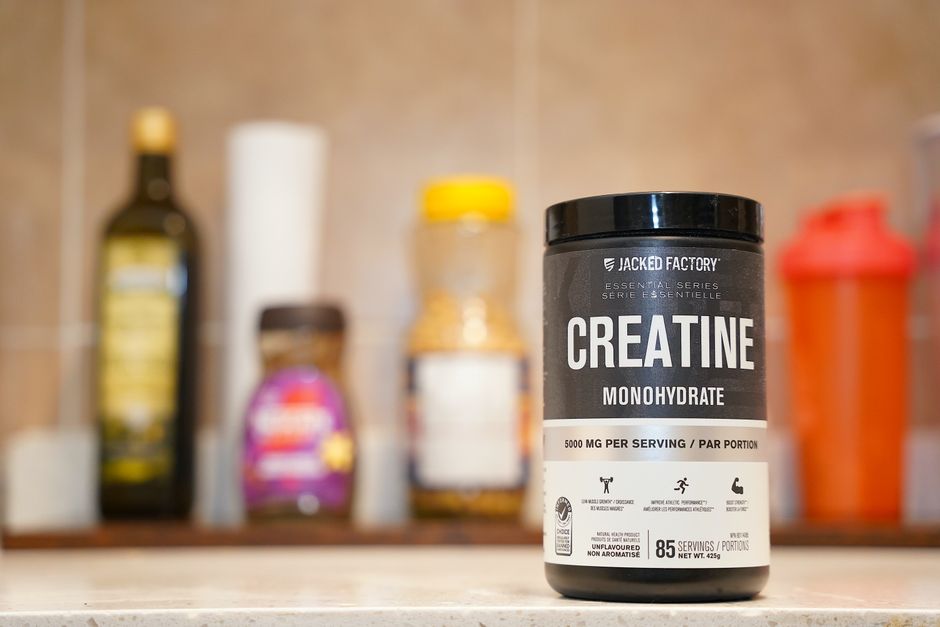
Creatine does not burn fat. It is not a fat burner, and no credible evidence shows it directly increases fat loss. What creatine does is help your muscles produce energy during short, intense efforts — and that can indirectly support the kind of training that burns calories.
That distinction matters, because the supplement aisle is full of products promising fat loss. Creatine is one of the most studied supplements in sports nutrition, but its reputation rests on strength and muscle performance, not on melting away body fat. Understanding what it actually does — and does not do — helps you decide whether it belongs in your routine.
What Does Creatine Actually Do in the Body?
Creatine is a compound your body makes and stores mostly in skeletal muscle. It also comes from food, mainly red meat and fish. Once inside muscle, creatine helps regenerate a molecule called ATP, which is the basic energy currency your cells use for everything.
During short bursts of intense activity — a heavy set of squats, a sprint, a quick climb — your muscles burn through ATP fast. Creatine helps rebuild it quickly, which is why it supports performance in efforts lasting seconds, not minutes. This is well established and consistently shown across decades of research.
Notice what is missing from that description. Fat metabolism is not part of creatine’s job. Creatine does not shuttle fat into your cells to be burned. It does not raise your metabolic rate in any meaningful, lasting way. It works on the short-burst energy system, and fat burning happens largely through different pathways entirely.
Does Creatine Help Burn Fat?
No. Creatine does not directly burn fat, and studies have not shown it causes fat loss on its own.
This is where a lot of confusion starts. People take creatine, gain a few pounds of muscle and water, train harder, and see their body change. It is easy to credit the creatine for the fat loss. But the fat loss is coming from the training and the calorie balance, not from the creatine molecule itself.
Some research has looked at whether creatine combined with exercise affects body composition. Results vary. When fat loss does appear in these studies, it is generally attributed to the increased training volume and intensity that creatine makes possible — not to a direct fat-burning effect. That is an important distinction. It means creatine is a performance tool, not a fat-loss tool.
There is also a common misunderstanding worth clearing up. The scale can go up when you start creatine, and that is not fat gain. Creatine draws water into muscle cells, which can add a few pounds of water weight. That is a shift in where water sits in your body, not new fat.
Why Do People Think Creatine Burns Fat?
The belief comes from a real chain of events, just with the wrong label attached.
Here is the actual sequence. Creatine supports harder training. Harder training builds muscle and burns more calories. More muscle and more activity can support fat loss over time when your eating supports it. So creatine can be part of a process that leads to fat loss — but it is a supporting player, not the cause.
Marketing makes this murkier. Supplements are often bundled together — creatine plus caffeine plus a “fat-burning blend” — and the results get credited to the whole product. It becomes hard to tell what did what. In most cases, the training and diet did the work.
There is also the visual effect. Muscle holds more water and glycogen when you use creatine, which can make muscles look fuller. A fuller look can read as “leaner” even when body fat has not changed at all.
Does Creatine Help With Weight Loss or Fat Loss?
Those are two different goals, and creatine behaves differently for each.
For weight loss — meaning the number on the scale going down — creatine is not your tool. It can add water weight, so the scale may not move the way you expect. That does not mean it is failing. It means the scale is measuring something other than fat.
For fat loss specifically — meaning a change in body composition — creatine may help indirectly. If it lets you train harder and more consistently, and your calorie intake supports fat loss, you may lose fat over time. But the creatine is not doing the fat burning. Your training and your diet are.
If your main goal is fat loss, the levers that matter most are well established: a calorie deficit, adequate protein, and regular physical activity. Creatine does not replace any of those. It may support the activity side of the equation.
What Does the Evidence Actually Show?
Creatine is one of the most researched supplements available, and the strongest evidence supports performance and muscle, not fat loss.
Research consistently shows creatine improves performance in short, high-intensity efforts and supports gains in muscle strength and lean mass when combined with resistance training. Those findings are broad and repeatable.
The evidence for fat loss is much weaker. Some studies suggest creatine combined with training may support favorable changes in body composition, but the effect is generally small and tied to the training itself. No strong body of evidence shows creatine causes fat loss independently of exercise and diet.
Here is a simple way to hold the two ideas side by side.
| Goal | What the evidence supports |
|---|---|
| Strength and power | Strong, consistent support |
| Muscle and lean mass | Good support when combined with resistance training |
| Fat loss | Weak and indirect; tied to training, not the supplement |
| Weight loss on the scale | Not supported; water weight can increase |
How Should You Think About Creatine and Fat Loss?
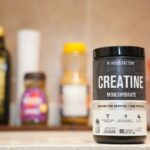
Treat creatine as a training supplement, not a fat-loss supplement. If you are lifting weights and want to train harder and build muscle, the evidence for creatine is strong. If your goal is fat loss, creatine is optional and not the thing doing the work.
If you do use it, the key points are straightforward. Creatine monohydrate is the form with the most research behind it. A common approach is a daily dose in the range of 3 to 5 grams, taken consistently. Some people use a loading phase with higher doses for about a week, but this is not required — it mainly speeds up how quickly your muscles fill up.
Some people notice mild stomach upset, especially with larger doses. Drinking enough water and splitting doses can help. People with kidney conditions should talk to a doctor before using creatine, since the kidneys handle creatine and its breakdown products.
One practical note: creatine is not a stimulant and does not suppress appetite. It will not make you eat less. Fat loss still comes down to your overall calorie balance and activity.
What Actually Burns Fat?
Fat loss comes from a calorie deficit — burning more energy than you take in over time. That is the core principle, and it holds regardless of what supplements you take.
Several things support that deficit:
- A consistent calorie deficit, which can come from eating less, moving more, or both
- Adequate protein, which helps preserve muscle during fat loss
- Regular physical activity, including both cardio and resistance training
- Sleep and stress management, which support appetite and recovery
Resistance training is worth highlighting. It builds and preserves muscle, and muscle tissue uses energy. This is one reason creatine and fat loss get linked — creatine supports the training that supports the muscle. But the fat loss still depends on your calorie balance.
No supplement removes the need for that balance. If a product promises fat loss without a calorie deficit, that claim does not match how the body works.
Frequently Asked Questions
Does creatine burn belly fat?
No, creatine does not target belly fat or any specific fat area. Spot reduction is not how fat loss works — fat is lost across the body through a calorie deficit.
Will creatine make me gain weight?
It can add a few pounds of water weight as creatine draws water into muscle cells. That is water, not fat, and it does not mean you gained body fat.
Can I take creatine while trying to lose fat?
Yes, many people do, and it will not block fat loss. Just remember that the fat loss comes from your calorie deficit and training, not from the creatine.
Is creatine a fat burner?
No, creatine is a performance supplement, not a fat burner. Its evidence supports strength and muscle, not direct fat loss.
