
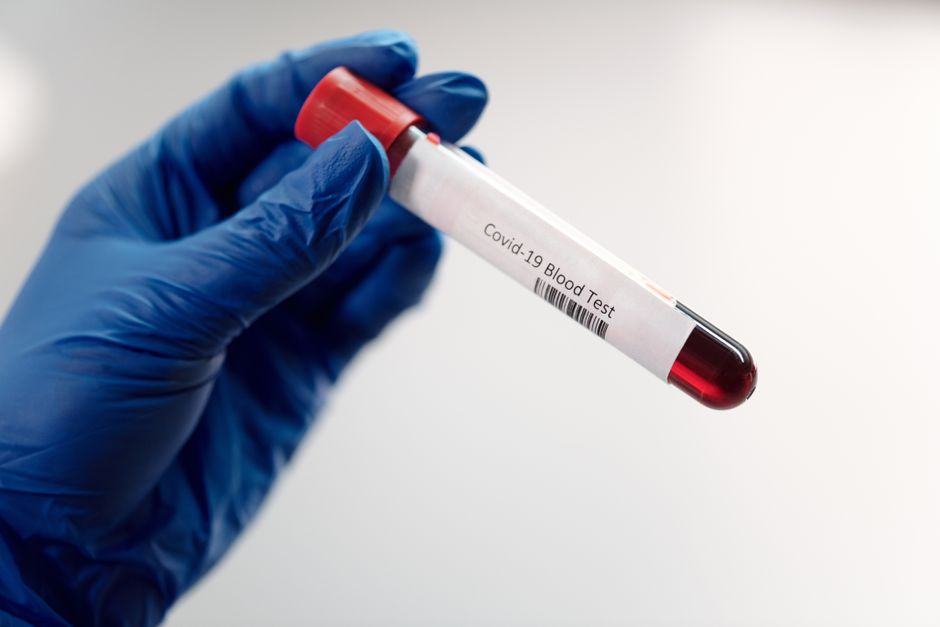
Yes, Covid 19 can affect blood sugar levels. The virus can push glucose higher, and sometimes lower, in people with and without diabetes. The effect is strongest during the acute illness, but some people see changes that last for weeks or months after recovery.
This matters for anyone managing diabetes, anyone who watches their glucose, and anyone who got sick and noticed strange readings. Here is what the evidence actually shows, what it does not show, and what to do with the information.
Does Covid 19 Affect Blood Sugar Levels?
Covid 19 affects blood sugar in several ways, and the effect is well documented in people with diabetes.
The virus triggers a strong immune response. That response releases stress hormones such as cortisol, which raise glucose. It also causes inflammation and can damage pancreatic cells that make insulin. In some people, this pushes glucose up sharply. In others, especially those who lose their appetite or eat poorly while sick, glucose can drop too low.
People with diabetes are not more likely to catch the virus in the first place. But once infected, they face a higher risk of severe illness and of glucose swings that are hard to control. This is one reason clinical guidance has consistently grouped diabetes as a risk condition for severe Covid 19.
What the evidence does not show is a single predictable pattern. Some people with well-controlled diabetes see only mild changes. Others with the same baseline see large spikes. The response varies by person, by variant, by vaccination status, and by how sick they get.
Why Does Covid 19 Raise Blood Sugar in Some People?
The main mechanism is the body’s stress response. Infection is a stress on the whole system, and the body responds by mobilizing energy.
Cortisol and other stress hormones tell the liver to release stored glucose. That is useful during short-term illness. During a longer or more severe infection, it can push glucose well above normal. Inflammation adds to the problem by making muscle and fat cells less responsive to insulin, a state called insulin resistance.
There is another layer. The virus can directly affect the pancreas. Some research suggests the virus can enter pancreatic beta cells, the cells that produce insulin. If those cells are damaged or stressed, insulin output falls. The evidence for direct pancreatic infection in humans is still being studied, so treat this as a plausible mechanism rather than a settled fact.
Severe Covid 19 also raises the risk of blood clots and low oxygen. Both add physical stress, and both can worsen glucose control. People who end up in the hospital often need insulin even if they never used it before.
Can Covid 19 Cause New Diabetes?
This is one of the most studied questions, and the answer is still not fully settled.
Some people are diagnosed with diabetes shortly after a Covid 19 infection. The question is whether the virus caused new diabetes or simply revealed diabetes that was already developing. Both are possible.
Several large studies have found a higher rate of new diabetes diagnoses after Covid 19 compared with people who were not infected. That association appears real. What is less clear is the size of the effect and whether it lasts. Some research suggests the elevated risk is highest in the weeks to months after infection and may decline over time.
There is also a distinction between new diabetes and temporary high glucose during illness. Many people have high readings while sick and return to normal after recovery. That is not the same as developing diabetes. A diagnosis requires repeated high readings after the illness has passed, using standard criteria such as a fasting glucose of 126 mg/dL or higher, or an A1c of 6.5% or higher.
If you were diagnosed with diabetes during or right after a Covid 19 infection, it is reasonable to ask your clinician whether the diagnosis should be rechecked after you have fully recovered.
What Should You Do If You Have Diabetes and Get Covid 19?
Monitor more often than usual. Illness changes glucose, and you need to see the pattern to respond to it.
Standard sick-day guidance for diabetes applies here. Check glucose more frequently, stay hydrated, and continue your diabetes medications unless a clinician tells you to stop. Some medications, including certain types of insulin and some oral drugs, may need adjustment during illness. That decision belongs to your care team, not to a general article.
Watch for warning signs that mean you need medical care right away:
- Glucose that stays very high despite your usual approach
- Repeated vomiting or inability to keep fluids down
- Confusion, extreme sleepiness, or difficulty breathing
- Signs of dehydration, such as very dark urine or dizziness on standing
- Glucose that drops very low, especially if you are not eating
People with type 1 diabetes face a particular risk. Infection can trigger diabetic ketoacidosis, a serious condition where the body produces too many ketones. If you have type 1 diabetes and become ill, check ketones as your care team has advised. Do not wait if you feel very unwell.
Does Covid 19 Affect Blood Sugar in People Without Diabetes?
Yes, but usually in a milder and more temporary way.
People without diabetes can see higher glucose during a Covid 19 infection because of the same stress response. In most cases, this resolves as the illness passes. The body’s normal insulin response handles it.
What is less clear is whether mild Covid 19 causes lasting glucose changes in people without diabetes. The evidence here is limited. Some studies have reported small changes in insulin sensitivity after infection, but the findings are not consistent, and the clinical meaning is uncertain.
If you notice unusual glucose readings after Covid 19 and you do not have diabetes, the sensible step is to have them checked rather than assume. A single high reading during illness means little. A pattern that persists after recovery is worth a conversation with a clinician.
Does Vaccination Change the Effect on Blood Sugar?
Vaccination reduces the risk of severe Covid 19, and severe illness is the main driver of major glucose disruption. By lowering the chance of severe disease, vaccination indirectly lowers the chance of the worst glucose swings.
Some people report temporary glucose changes after vaccination itself. These reports exist, but the evidence is limited and the changes described are generally brief. A short-lived rise after a vaccine is consistent with a normal immune response and is not the same as the sustained disruption seen with severe infection.
No vaccine is proven to cause diabetes. Claims that Covid 19 vaccines cause new diabetes are not supported by the available evidence. If you have diabetes and are deciding about vaccination, that is a conversation to have with your clinician based on your own history.
How Long Do Blood Sugar Changes Last After Covid 19?
For most people, glucose returns to baseline within days to a few weeks after the acute illness resolves. That is the typical pattern.
Some people report longer-lasting changes. The evidence for prolonged glucose disruption after mild infection is mixed. Some studies suggest insulin resistance can persist for a period after recovery, but the findings vary and the size of the effect is not well established.
People who had severe Covid 19, especially those who were hospitalized or needed steroids during treatment, often see more prolonged changes. Steroids used to treat severe Covid 19 are well known to raise glucose, and that effect can last for a while after the course ends.
If your glucose is still off weeks after you have recovered, that is worth investigating. It may reflect the infection, or it may reflect something else that changed during that period.
The Bottom Line
Covid 19 can raise blood sugar, and the effect is most pronounced in people with diabetes and in those who get severely ill. The mechanism is largely the body’s stress response, with possible direct effects on the pancreas that are still being studied.
The link between Covid 19 and new diabetes is real enough to take seriously but not strong enough to call settled. Some people are diagnosed after infection, and it is not always clear whether the virus caused it or revealed it.
For anyone with diabetes, the practical takeaway is simple. Expect that illness may change your glucose. Monitor more often. Follow your sick-day plan. Know the warning signs that mean you need care. And if something does not return to normal after recovery, get it checked rather than guessing.
Frequently Asked Questions
Can Covid 19 raise blood sugar in people without diabetes?
Yes, it can, usually because of the body’s stress response during infection. In most people without diabetes, the change is temporary and resolves after recovery.
How long does high blood sugar last after Covid 19?
For most people, glucose returns to baseline within days to a few weeks after the illness resolves. Prolonged changes are more common after severe illness or treatment with steroids.
Can Covid 19 cause diabetes?
Some studies show a higher rate of new diabetes diagnoses after infection, but it is not clear whether the virus causes diabetes or reveals diabetes that was already developing. The evidence is still being studied.
Should I check my blood sugar more often if I have Covid 19?
If you have diabetes, yes. Illness can cause large glucose swings, and more frequent checks help you and your care team respond appropriately.
