
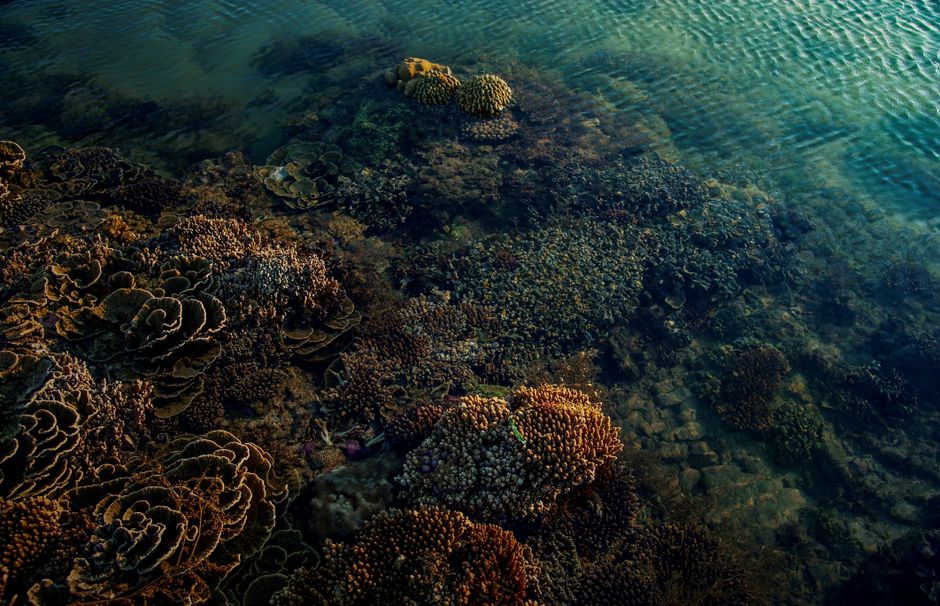
If you brush against coral in the ocean and feel a sudden sting, you are not imagining it. Many corals can sting, and what happens next depends on the type of coral and how your body reacts. Some stings cause mild irritation that goes away on its own, while others can lead to pain, swelling, or a serious allergic reaction. Treatment starts with rinsing the area with vinegar or salt water and carefully removing any remaining coral fragments.
Do All Corals Sting or Only Some Types?
Not all corals sting, but many do. The ones that sting are called cnidarians, the same group that includes jellyfish and sea anemones. They have tiny stinging cells called nematocysts. When you touch the coral, these cells fire venom into your skin.
Fire coral is the most well-known stinging coral. Despite its name, it is not a true coral. It is a hydroid that looks like coral. The CDC reports that fire coral stings are common among swimmers and divers in tropical waters. Other stinging corals include certain brain corals, staghorn corals, and sea fans.
Hard corals that build reefs do not usually sting humans in a harmful way. Their polyps are too small to penetrate human skin. But some soft corals and anemones can deliver a noticeable sting. If you are unsure what you touched, treat any coral contact with caution.
What Does a Coral Sting Feel Like and Look Like?
A coral sting often feels like a sharp burning sensation. The pain can appear immediately or within a few minutes. Many people describe it as worse than a jellyfish sting but less intense than a bee sting.
The skin reaction varies. You might see red welts, raised bumps, or small blisters at the contact site. Itching is common. Some people develop a rash that spreads beyond the original area. In rare cases, the sting causes nausea, dizziness, or difficulty breathing.
Fire coral stings can leave a lasting mark. The venom causes a local inflammatory response that may take days to resolve. Research published in the journal Dermatology found that fire coral stings can also cause delayed hypersensitivity reactions, meaning the rash gets worse a day or two later before improving.
Does Coral Sting What Happens And How To Treat It Depend on the Species?
Yes, the species of coral matters a lot. Fire coral stings are the most studied and the most painful. The venom contains a compound that triggers pain receptors directly. Treatment for fire coral stings focuses on neutralizing the venom and reducing inflammation.
Other stinging corals like the sea nettle or certain anemones cause milder reactions. Their venom is less potent. Treatment is still important but the timeline for recovery is shorter.
Some corals do not sting at all but can still cause injury. Cuts from sharp coral edges are common. Coral cuts can become infected easily because coral contains bacteria and organic material. A cut from coral needs cleaning just as much as a sting does.
The table below compares common coral stings and their typical effects.
| Coral Type | Pain Level | Typical Reaction | Healing Time |
|---|---|---|---|
| Fire Coral | Moderate to severe | Welts, blisters, delayed rash | 3 to 7 days |
| Brain Coral | Mild | Redness, itching | 1 to 3 days |
| Sea Anemone | Mild to moderate | Burning, raised bumps | 2 to 5 days |
| Staghorn Coral | Mild | Irritation, rash | 1 to 2 days |





What Is the First Thing You Should Do After a Coral Sting?
Get out of the water first. Staying in the water can expose you to more stings or make the reaction worse. Do not rub the area. Rubbing can cause more nematocysts to fire.
Rinse the sting with vinegar. Vinegar is the standard first aid for coral stings because it stops unfired stinging cells from releasing more venom. If you do not have vinegar, salt water works. Do not use fresh water. Fresh water causes unfired nematocysts to burst and release venom.
After rinsing, remove any visible coral fragments. Use tweezers or the edge of a credit card. Do not use your bare hands. After removing fragments, apply hot water. Heat inactivates the venom proteins. The temperature should be as hot as you can tolerate without burning, around 113 to 122 degrees Fahrenheit. Soak the area for 20 to 40 minutes.
The American Red Cross recommends hot water immersion as the primary treatment for cnidarian stings, including coral. This is supported by research from the University of Hawaii’s Department of Tropical Medicine.
What Treatments Actually Work and Which Ones Are Myths?
Hot water works. Multiple studies confirm that heat denatures the venom. A 2017 study in the journal Toxins found that water at 113 degrees Fahrenheit significantly reduced pain from fire coral stings within minutes.
Vinegar works for coral stings, but only if applied quickly. It prevents unfired nematocysts from discharging. Once the cells have already fired, vinegar does not help.
Topical antihistamines or hydrocortisone cream can reduce itching and inflammation after the initial sting. Oral antihistamines like Benadryl may help if the reaction is widespread.
Common myths to avoid:
- Urinating on the sting. This is a persistent myth from jellyfish sting advice. Urine does not help coral stings and can introduce bacteria.
- Scraping the area with a knife. This can damage skin and increase infection risk.
- Applying ice directly. Ice can numb the area but does not neutralize venom. It may delay proper treatment.
- Using alcohol or ammonia. These can cause more stinging cells to fire.
If pain is severe, swelling spreads, or you have trouble breathing, seek emergency care immediately. Anaphylaxis from coral stings is rare but possible.
How Can You Prevent Coral Stings in the First Place?
Prevention is straightforward. Do not touch coral. Even if you think it is harmless, avoid contact. Coral is fragile and touching it can damage the reef. It is also illegal in many protected areas.
Wear protective clothing. A rash guard or wetsuit covers your skin and prevents stings. Reef-safe sunscreen is not a barrier against stings.
Be aware of your surroundings. Fire coral grows in shallow water and looks like encrusting yellow or orange growth on rocks. It is common in the Caribbean, Hawaii, and the Indo-Pacific. Learn to identify it before entering the water.
If you are snorkeling or diving, keep your hands to yourself. Many stings happen when people brace against coral while taking photos or adjusting gear. Use a dive float or buoy to stay afloat instead.
Frequently Asked Questions
Can a coral sting be dangerous?
Most coral stings are not dangerous and cause only local pain and rash. In rare cases, a severe allergic reaction called anaphylaxis can occur, requiring emergency treatment.
How long does a coral sting last?
Mild stings usually heal within 1 to 3 days. Fire coral stings can last up to a week, and delayed rashes may appear 24 to 48 hours after the sting.
What should you not do after a coral sting?
Do not rinse with fresh water, rub the area, or apply alcohol. These actions can cause more stinging cells to fire and make the sting worse.
Does coral sting even if it looks dead?
Yes, dead coral can still sting. The stinging cells remain active for some time after the coral dies. Always treat dead coral with the same caution as live coral.
