
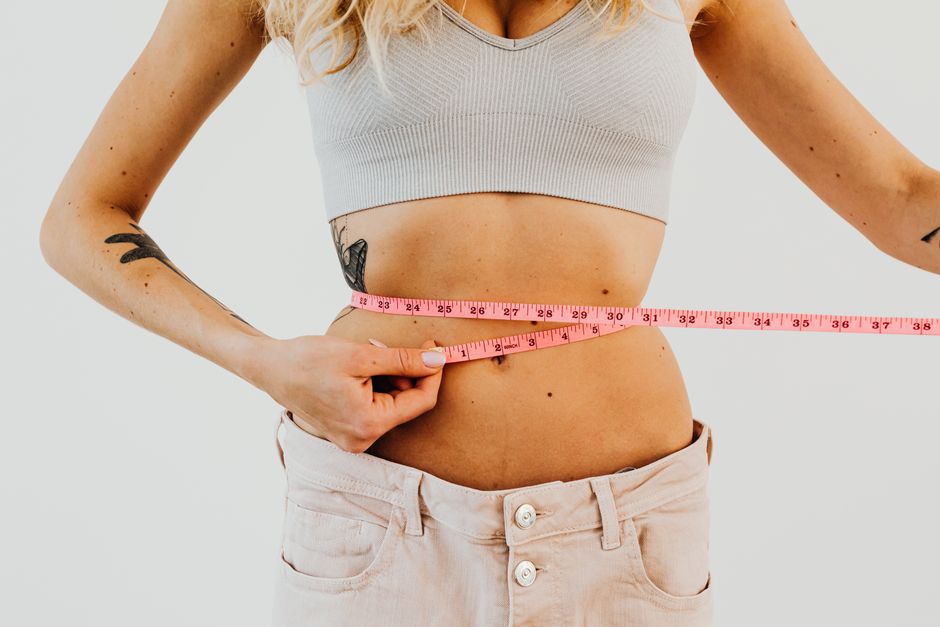
CoolSculpting is a real medical procedure that does reduce fat in treated areas, but the effect is modest and specific. It is not a weight-loss treatment, and it does not tighten loose skin or replace diet and exercise. The FDA has cleared the device for reducing visible fat bulges in certain areas, and studies show measurable fat reduction after treatment. What those studies do not show is dramatic reshaping or a permanent fix for weight gain.
What Is CoolSculpting and How Does It Work?
CoolSculpting is the brand name for a procedure called cryolipolysis. A device applies controlled cooling to a pinch of fat through the skin. The cold is strong enough to damage fat cells, but not cold enough to injure skin, muscle, or nerves in the same way.
The idea came from a real observation in medicine. Children who sucked on frozen popsicles for long periods sometimes developed dimples in their cheeks. The cold had damaged small pockets of fat under the skin while leaving everything else intact. Researchers took that observation and built a controlled device around it.
Fat cells, called adipocytes, appear to be more sensitive to cold than the skin and other tissue around them. When they are cooled to a certain point, they begin to break down. Over the following weeks and months, the body clears those damaged cells through its normal waste-removal process. The fat cells are gone. They do not grow back in that spot.
That last point matters. Adults have a fairly stable number of fat cells. When you gain weight, those cells tend to get bigger rather than multiply. When you lose weight, they shrink. Cryolipolysis removes some of the cells entirely. The remaining cells can still enlarge if you gain weight, which is why the treated area can change over time.
Does Coolsculpting Actually Work for Fat Reduction?
Yes, for the right candidate and the right area. The evidence is strongest for the flanks, the abdomen, and under the chin, which are the areas the device was first cleared for.
Studies using ultrasound and other imaging have found measurable reductions in the fat layer after treatment. The effect builds over two to four months as the body clears the damaged cells. Results are typically modest. A single session usually reduces the fat layer by a small fraction, not by half. Many patients need more than one session per area to see a change they consider worthwhile.
It is fair to say the procedure works in the sense that it does what it claims — it kills fat cells in a targeted area. It is not fair to say it produces dramatic body reshaping. People who expect to drop a clothing size from one session are usually disappointed. People with a small, stubborn bulge that has not responded to diet and exercise are more likely to be satisfied.
Who Is a Good Candidate and Who Is Not?
The best candidates are close to their goal weight, in good general health, and bothered by a specific pocket of fat that has not changed with lifestyle efforts. The procedure is not designed for people with obesity or for large-volume fat removal.
It is also not a treatment for loose skin. Cryolipolysis removes fat, and when fat is removed, skin that has lost elasticity may look looser, not tighter. People with significant skin laxity after weight loss often need a different approach, and some surgical procedures address skin directly in ways this device cannot.
Conditions that can make someone a poor candidate include:
- Cold-related disorders such as cryoglobulinemia, cold agglutinin disease, or paroxysmal cold hemoglobinuria
- Pregnancy or breastfeeding
- Hernias in or near the treatment area
- Poor circulation or nerve conditions in the area
- Active skin infections or open wounds
- Certain implanted devices, depending on location
Anyone with a cold-related blood disorder should not have this procedure. That is not a soft caution. Cold exposure can trigger serious reactions in these conditions. A qualified provider should screen for them before treatment.


What Does the Procedure Feel Like and What Are the Risks?
During treatment, most people feel intense cold for the first several minutes, then the area goes numb. Sessions typically run around 35 to 60 minutes per area, depending on the device and applicator. People commonly read, work, or rest during the session. There is no anesthesia and no recovery period in the usual sense.
Afterward, the treated area may be red, firm, or numb for a short time. Some people notice mild bruising or aching. These effects usually settle within days to a few weeks.
More serious complications are uncommon but real:
- Paradoxical adipose hyperplasia. This is the most discussed risk. Instead of shrinking, the treated area grows firmer and larger over months. It is rare, and the exact rate is not well established in the published literature. It appears to be more common in men and in abdominal treatments, but the evidence on risk factors is limited. Treatment usually requires liposuction or another procedure.
- Nerve effects. Some patients report temporary numbness, tingling, or altered sensation. Most cases improve, but a small number have reported longer-lasting changes.
- Pain. A minority of patients report significant pain after treatment, sometimes starting days later. This has been reported in the medical literature and is not always short-lived.
- Skin changes. Bruising, redness, and rarely, changes in skin color or texture.
No procedure is risk-free. The complication rates for cryolipolysis are generally described as low, but the studies behind those numbers vary in size and quality.
How Does It Compare to Other Fat Reduction Options?
Several nonsurgical and surgical options target fat. They differ in how much fat they remove, how invasive they are, and how much recovery they require.
| Option | Approach | Typical Recovery | Notes |
|---|---|---|---|
| Cryolipolysis | Controlled cooling | None to minimal | Modest, gradual fat reduction over months; multiple sessions often needed |
| Liposuction | Surgical removal | Days to weeks | Larger volume removal; surgical risks; results are immediate |
| Laser fat reduction | Heat-based | Minimal to days | Fat reduction plus some skin tightening claims; evidence varies by device |
| Weight loss | Diet, exercise, medication | Not applicable | Affects the whole body, not one spot; the only approach that reliably changes overall weight |
One point is often lost in marketing. Spot reduction through exercise does not work. You cannot target belly fat by doing crunches. Procedures like cryolipolysis exist because that limitation is real. But they only address a small, localized area. They do not change overall body composition or health markers.
How Long Do Results Last?
Fat cells destroyed by cryolipolysis do not come back. The treated area typically keeps its result unless you gain a significant amount of weight. If you do gain weight, the remaining fat cells in that area can enlarge, and the area can look fuller again.
This is why the procedure is usually framed as a complement to a stable weight, not a substitute for one. A person whose weight fluctuates substantially may see the treated area change along with the rest of the body. Anyone planning significant weight loss should generally wait until their weight is stable before considering treatment.
Long-term data on how results hold up over many years is limited. Most published follow-up runs for months, not decades.
What Should You Know Before Booking?
CoolSculpting is performed in clinics, medical spas, and dermatology offices. Regulation of who can perform it varies by state. In some places, a trained technician operates the device under a physician’s supervision. In others, the rules differ. Ask who will perform your treatment and what their training and supervision look like.
Be cautious about pricing that seems too low. Some clinics use older devices or fewer applicators than a full treatment requires. Ask how many sessions and applicators are included in a quoted price.
Be equally cautious about anyone promising a specific number of inches or a clothing size. Individual results vary, and no responsible provider can guarantee an outcome.
Finally, understand what this procedure is not. It is not a weight-loss method. It is not a treatment for obesity or its health consequences. It does not improve metabolic health, blood pressure, or diabetes risk the way actual weight loss can. For those goals, the evidence points to diet, exercise, and where appropriate, medical or surgical weight management — not body contouring.
Frequently Asked Questions
Does Coolsculpting really remove fat permanently?
Yes, the fat cells destroyed by the procedure are cleared by the body and do not return. The remaining fat cells in that area can still enlarge if you gain weight, so the result can change over time.
How much fat does one Coolsculpting session remove?
One session typically produces a modest reduction in the fat layer of the treated area, not a large change. Many people need multiple sessions to see a result they consider worthwhile.
Is Coolsculpting safe?
It is FDA-cleared and generally considered low-risk, but it is not risk-free. Rare complications include paradoxical adipose hyperplasia, where the treated area grows instead of shrinking, and longer-lasting nerve or pain symptoms.
Can Coolsculpting help me lose weight?
No. It is a body contouring procedure, not a weight-loss treatment. It does not change overall body weight or improve health markers linked to excess weight.
