
Colonoscopy prep is often described as the hardest part of the entire procedure, and for many people, that description is accurate. The prep itself—drinking a large volume of liquid laxative—causes cramping, bloating, and frequent, urgent trips to the bathroom. The procedure itself is painless because you are sedated. The discomfort is real, but it is temporary, and understanding exactly what happens can make the experience far less intimidating.
What Does the Prep Actually Feel Like?
The prep drink is designed to empty your entire colon. Within 30 minutes to an hour of your first glass, you will feel the urge to use the bathroom. That urge builds quickly and becomes urgent. You will spend the next several hours in the bathroom, passing mostly liquid stool.
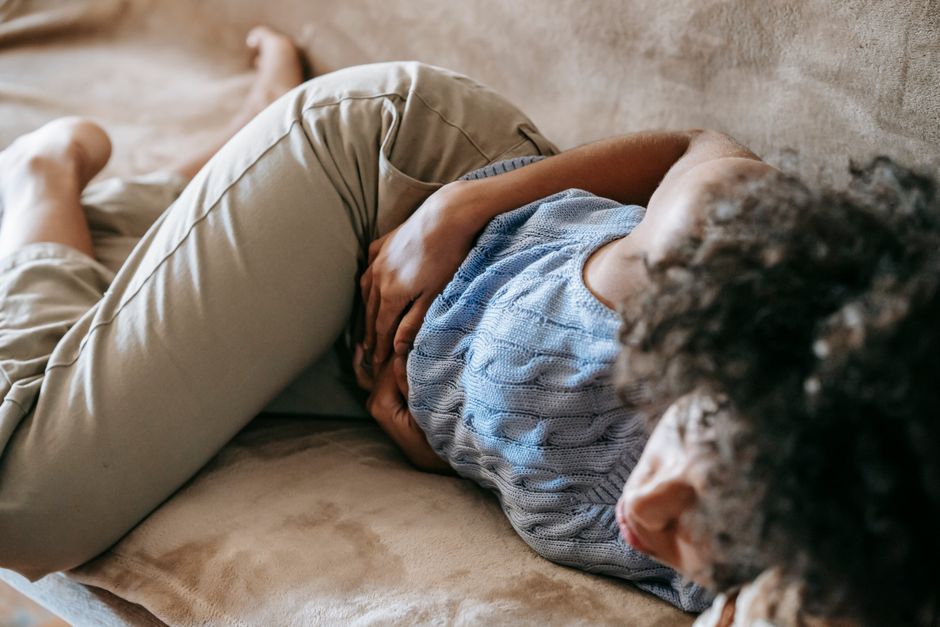
The most common sensations are bloating, abdominal cramping, and a feeling of fullness. Some people describe a cold or queasy feeling after drinking the solution. The cramping is similar to a strong need to pass gas or a mild stomach ache. It comes in waves, usually right before you need to go.
Most people report that the discomfort peaks during the first few hours and then settles into a pattern of regular bathroom trips. The worst part is often the sheer inconvenience and the loss of control over your schedule, not the pain itself.
Why Does the Prep Cause Cramping?
The laxative solution works by pulling water into your bowels. This water softens stool and stimulates the muscles of your colon to contract. Those contractions are what move everything through and out of your body. They are the same muscle contractions that move food through your digestive tract every day, but they are much stronger and faster during prep.
Strong contractions cause cramping. The colon is a muscular tube, and when it contracts forcefully, you feel it as pressure or pain. The sensation is familiar to anyone who has had a bout of food poisoning or a severe case of diarrhea. It is not a sharp or stabbing pain for most people. It is more of a deep, rolling ache.
Cold liquids can make cramping worse. Many prep instructions suggest chilling the solution and drinking it through a straw. The cold temperature helps mask the taste, but it can also increase muscle spasms in some people. If you find the cold liquid painful, you can drink it at room temperature as long as your instructions allow it.
How Long Does the Discomfort Last?
The entire prep process usually lasts 12 to 16 hours. The active phase—when you are passing stool frequently—typically lasts 4 to 6 hours after your first dose. The cramping is most intense during the first 2 to 3 hours.
If your prep is split into two doses, you will have a second round of bathroom trips the next morning. The second dose is often less intense because your colon is already mostly empty. The cramps are usually milder, and the bowel movements become more watery and less frequent.
Once your bowel movements turn clear or light yellow, the prep is working. That means your colon is clean and ready for the procedure. The cramping stops once you finish the last dose and your body has passed the remaining liquid.


What Happens During the Procedure Itself?
You will receive sedation through an IV before the colonoscopy begins. Most people are given a medication called propofol, which puts you in a state of deep relaxation or light sleep. You will not feel the scope entering your body. You will not remember the procedure afterward.
The procedure itself takes 15 to 30 minutes. The doctor guides a thin, flexible tube with a camera through your colon. The tube inflates your colon with carbon dioxide gas to see the walls clearly. That gas can cause pressure or a feeling of needing to pass gas, but you are sedated and will not notice it at the time.
You will wake up in the recovery area. Most people feel groggy for 30 to 60 minutes. Some people feel mild cramping or bloating from the gas used during the procedure. This passes within a few hours as your body absorbs or releases the gas. You will not feel any pain from the procedure itself.
How Can You Make the Prep More Comfortable?
Several practical steps can reduce the discomfort. These are common recommendations from gastroenterology clinics and are worth following if you want an easier prep.
- Use a barrier cream. Apply a thick layer of petroleum jelly or zinc oxide cream around your anus before the prep starts. This protects the skin from irritation caused by frequent bowel movements.
- Use wet wipes instead of toilet paper. Dry toilet paper is abrasive after many trips to the bathroom. Flushable wipes or a bidet are much gentler on sensitive skin.
- Drink the solution cold and through a straw. This reduces the taste and can make it easier to get the full dose down.
- Move around between bathroom trips. Gentle walking can help move gas and reduce bloating. Sitting still for hours can make cramping feel worse.
- Ask about a lower-volume prep. Some newer prep options use less liquid and are better tolerated. Ask your doctor if you are a candidate for one of these.
Do not take anti-diarrhea medication during prep. The prep is supposed to cause diarrhea. Taking medication to stop it can leave stool in your colon and force you to repeat the prep.
Does Colonoscopy Prep Hurt? What To Really Expect
The honest answer is that prep causes significant discomfort, but it rarely causes severe pain. Most people rate the experience as unpleasant rather than painful. The cramps are uncomfortable and the urgency is intense, but the whole thing is temporary.
Severe pain during prep is not normal. If you experience sharp, intense abdominal pain, vomiting, or the inability to keep the prep solution down, contact your doctor’s office. Some people cannot tolerate the standard prep, and there are alternatives available.
If you have a history of abdominal surgery, hernias, or bowel obstructions, discuss this with your doctor before starting prep. These conditions can increase the risk of complications, and your doctor may recommend a different prep approach.
Remind yourself why you are doing this. Colonoscopy is the most effective screening tool for colorectal cancer. The prep is a few hours of discomfort that can detect cancer early or prevent it entirely by removing polyps. The temporary discomfort is a small price for that level of certainty.
What If You Cannot Finish the Prep?
Stopping the prep halfway is a common fear. If you feel nauseous, slow down. Drink the solution more slowly and take breaks. Some people find that sipping it over a longer period reduces nausea and cramping.
If you vomit, wait 30 minutes and try again with smaller sips. Call your doctor’s office if you cannot keep any of the solution down. They may prescribe an anti-nausea medication or suggest an alternative prep method.
Do not give up entirely without calling your doctor. An incomplete prep means the colonoscopy may be canceled or rescheduled. That wastes your time and delays a potentially life-saving screening. Your doctor needs to know what happened so they can adjust your prep plan for next time.
Are There Easier Prep Options?
Yes. The traditional prep is a single large volume of liquid, usually 1 gallon. Many clinics now offer split-dose preps, where you drink half the solution the night before and half the morning of the procedure. Split-dose preps are often better tolerated and provide a cleaner colon.
There are also lower-volume preps that use different laxative combinations. Some require drinking only 10 ounces of liquid followed by additional water. These are not right for everyone, but they are worth asking about if you are worried about the volume.
Your doctor may also discuss a stool-based test as an alternative to colonoscopy, but these are not equivalent. Stool tests are less invasive but less accurate at detecting polyps. If you are at average risk and cannot tolerate a colonoscopy, discuss the trade-offs with your doctor.
Frequently Asked Questions
How bad is the pain during colonoscopy prep?
Most people describe it as uncomfortable cramping and bloating, not severe pain. The discomfort comes in waves and usually settles within a few hours.
How long after drinking the prep do you start going to the bathroom?
Bowel movements typically start within 30 minutes to an hour of the first dose. The frequency peaks over the next few hours and then gradually slows down.
Can I take pain relievers during colonoscopy prep?
Do not take any pain medication during prep without asking your doctor first. Some pain relievers can interfere with the procedure or increase the risk of bleeding if a polyp is removed.
What does it mean when your prep is clear?
It means your colon is clean and ready for the procedure. Clear or light yellow liquid without solid pieces is the goal for every colonoscopy prep.
