
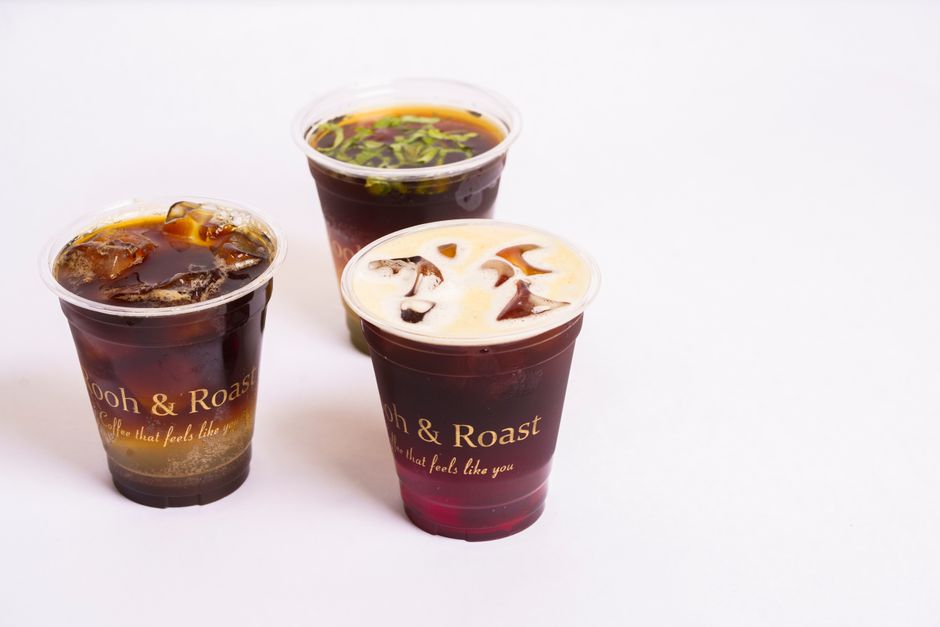
Cold brew coffee does not automatically have more caffeine than regular coffee. What it has is a higher caffeine concentration per ounce in many cases, because cold brew is typically brewed with a much higher ratio of coffee to water. Whether your actual cup delivers more caffeine depends on how much cold brew concentrate you pour and how much you dilute it.
That distinction matters. Two drinks of the same volume can differ widely. A small serving of strong concentrate can hit harder than a large cup of drip. The real answer lives in the brewing ratio, the serving size, and how the coffee is made.
Does Cold Brew Coffee Have More Caffeine?
The most accurate answer is: sometimes, and usually because of concentration rather than the cold water itself. Cold brew is made by steeping coarse coffee grounds in water at cool or room temperature for many hours. The resulting liquid is often a concentrate that gets diluted with water or milk before drinking.
Caffeine is water-soluble, and it extracts from coffee grounds over time. Cold water extracts caffeine more slowly than hot water, but given enough hours, a cold brew can pull out a substantial amount. The common claim that cold brewing extracts less caffeine is only partly true — it depends heavily on how long the steep lasts and how much coffee goes into the batch.
A typical cold brew recipe uses a high coffee-to-water ratio, often far more grounds per unit of water than a standard drip brew. That alone can push the caffeine concentration up. But the drink you actually consume may be diluted, which brings the per-cup caffeine back down.
The takeaway is that “cold brew” describes a method, not a fixed caffeine level. There is no single number that applies to all cold brew. The method sets the range. The recipe and the pour set the dose.
Why Cold Brew Often Tastes Stronger and Hits Harder
Cold brew’s reputation for potency comes from two things working together: concentration and serving style. Because it is often brewed as a concentrate, the liquid in the pitcher can carry more caffeine per ounce than a typical brewed coffee. When served undiluted over ice, that translates to a strong drink.
Cold extraction also changes the flavor profile. Cooler water pulls out fewer of the acids and bitter compounds that hot water extracts quickly. The result is a smoother, less acidic cup. That smoothness can make a strong drink easy to finish quickly, which is one reason people sometimes underestimate how much caffeine they have taken in.
Temperature is not the main driver of caffeine content. Time and ratio are. A cold brew steeped for many hours with a generous amount of grounds can rival or exceed a hot brew in caffeine concentration. A weak cold brew, or a heavily diluted one, can contain less than a standard cup of drip.
One clarification worth holding onto: bitterness and strength are not the same as caffeine. A dark, intense-tasting coffee does not necessarily carry more caffeine than a milder one. Roast level and flavor tell you very little about caffeine content. The amount of coffee used and the final volume tell you far more.
How Much Caffeine Is in Cold Brew Compared With Regular Coffee?
There is no official standard for cold brew caffeine content, because the method and recipe vary so much. What is well established is the caffeine content of standard brewed coffee. The USDA lists brewed coffee at roughly 95 milligrams of caffeine per 8-ounce cup. That figure applies to typical drip coffee, not to cold brew concentrate.
For cold brew, published numbers vary widely depending on the brand and the dilution. Some ready-to-drink cold brews are diluted to drinking strength and land in a range similar to regular coffee per ounce. Others are sold as concentrate and can carry considerably more caffeine per ounce. Because there is no regulated definition, the only reliable guide is the label on the specific product.
Here is a general comparison of how the categories differ:
| Type | Typical caffeine per 8 oz | Notes |
|---|---|---|
| Standard brewed (drip) coffee | About 95 mg | USDA reference figure |
| Cold brew, diluted to drinking strength | Varies widely | Depends on brand and recipe |
| Cold brew concentrate, undiluted | Can be much higher per ounce | Meant to be diluted; check label |
| Espresso (1 oz shot) | About 64 mg | Concentrated per ounce, small serving |
The espresso row is a useful reality check. Espresso is far more concentrated than drip coffee per ounce, yet a single shot delivers less caffeine than a full 8-ounce cup of drip, because the serving is so small. Cold brew works the same way. Concentration per ounce and total caffeine per serving are two different numbers, and the second one is what affects your body.
What Determines the Caffeine in Your Cup?
Four factors decide how much caffeine ends up in your cold brew. Understanding them lets you judge any recipe or product far better than a general rule about the method.
- Coffee-to-water ratio. More grounds per unit of water means more caffeine in the finished liquid. This is the single biggest lever.
- Steep time. Longer steeping extracts more caffeine, up to a point. Caffeine extraction is relatively efficient even in cool water given enough hours.
- Grind size. Finer grounds expose more surface area and extract faster. Most cold brew recipes use coarse grounds to keep the brew clean, which slows extraction somewhat.
- Dilution and serving size. A concentrate poured undiluted delivers far more caffeine per glass than the same liquid cut with water or milk. How much you pour is the final variable.
Bean type plays a smaller role than most people assume. Arabica and robusta differ in caffeine content, with robusta generally higher, but the brewing ratio and serving size usually matter more than the variety in a finished drink.
How Much Caffeine Is Considered Safe?
For most healthy adults, the widely cited guidance from the U.S. Food and Drug Administration is up to about 400 milligrams of caffeine per day — roughly four 8-ounce cups of regular brewed coffee. That figure is a general guide for healthy adults, not a target, and individual tolerance varies.
Cold brew fits into that picture the same way any coffee does. The challenge is that a strong, undiluted cold brew can pack more caffeine per ounce than drip, so a large serving can add up quickly. If you drink cold brew concentrate without diluting it, you may take in more caffeine than you expect from a single glass.
Some people should be more careful. Caffeine sensitivity varies, and certain groups are advised to limit intake. If you are pregnant, breastfeeding, taking medications, or managing a health condition, talk with a clinician about what is appropriate for you. General population guidance does not automatically apply to every individual.
Caffeine affects people differently based on body weight, genetics, tolerance, and timing. A drink that feels mild to one person can cause jitters, a racing heart, or trouble sleeping in another. Paying attention to how you respond matters more than any single number.
Does Cold Brew Have Less Acid Than Regular Coffee?
Cold brew is generally less acidic than hot-brewed coffee, and this is one of the better-supported differences between the two methods. Cooler brewing temperatures extract fewer of the acidic and bitter compounds that hot water pulls out quickly. Many people who find hot coffee hard on the stomach report that cold brew sits better with them.
That said, “less acidic” does not mean “acid-free,” and it does not mean cold brew is safe for everyone with acid reflux or a sensitive stomach. The evidence that cold brew reliably reduces reflux symptoms is limited, and individual responses vary. It is a reasonable option to try, not a guaranteed fix.
This lower acidity is separate from caffeine content. A smoother, less acidic cold brew can still be high in caffeine. The two qualities are independent, and it is easy to confuse a gentle taste with a gentle dose.
How to Judge the Caffeine in Cold Brew You Buy or Make
The most reliable way to know your caffeine intake is to read the label on packaged cold brew and to measure your recipe when brewing at home. Packaged cold brew sold as concentrate will usually state whether it needs dilution. Ready-to-drink cold brews often list caffeine per serving, though not all do.
When making cold brew at home, note the ratio of grounds to water and how much you dilute the result. If you brew a concentrate and drink it undiluted, treat each glass as a strong dose. If you dilute it, the caffeine per glass drops accordingly.
Coffee shop cold brew is the hardest to judge. Serving sizes and recipes vary by shop, and many do not publish caffeine content. A large undiluted cold brew from a café can be a substantial dose. If you are watching your intake, a smaller size or a diluted version is the simpler choice.
None of this means cold brew is better or worse than regular coffee. It means the method alone does not tell you the caffeine. The recipe and the pour do.
Frequently Asked Questions
Is cold brew stronger than regular coffee?
Cold brew is often more concentrated per ounce because it is brewed with more coffee grounds relative to water. But once diluted and served, a cup of cold brew can contain more, less, or about the same caffeine as regular drip coffee.
How much caffeine is in a cup of cold brew?
There is no standard figure because recipes and dilution vary so much. Standard brewed coffee is about 95 milligrams per 8 ounces, but cold brew concentrate can be considerably higher per ounce, so check the specific product label.
Cold brew concentrate is meant to be diluted before drinking, and undiluted servings can deliver a large caffeine dose. Follow the dilution instructions on the package.
Does cold brew have more caffeine than espresso?
Per ounce, cold brew concentrate and espresso are both concentrated, but a single 1-ounce espresso shot has about 64 milligrams of caffeine. A larger serving of undiluted cold brew can easily exceed that because the serving is bigger.
Is it safe to drink cold brew every day?
For most healthy adults, staying within about 400 milligrams of caffeine per day is the general FDA guidance, and cold brew can fit within that if you watch serving size. If you are pregnant, breastfeeding, or managing a health condition, ask a clinician about your limits.
