
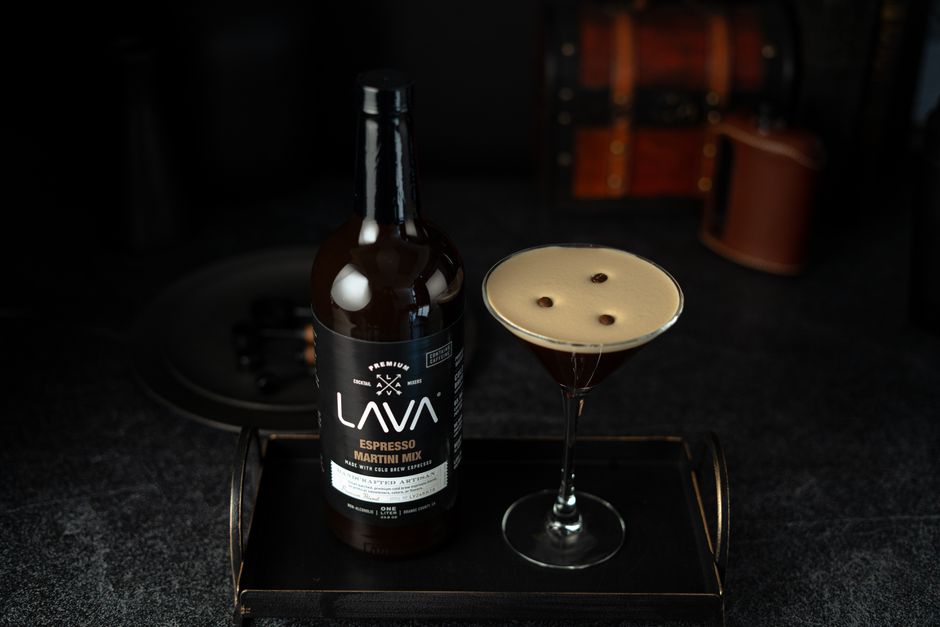
Yes, coffee liqueur contains caffeine. Coffee liqueur is made by combining a distilled spirit base — usually rum or brandy — with coffee, coffee extract, sugar, and often vanilla. Because real coffee is part of the recipe, the caffeine from those coffee beans carries into the finished bottle. The amount varies widely by brand, but it is never zero unless the product is specifically made without coffee. If you are watching your caffeine intake, counting calories, or mixing cocktails, the caffeine content of coffee liqueur matters more than most people realize.
How Much Caffeine Is in Coffee Liqueur?
Most coffee liqueurs contain a modest amount of caffeine per serving — far less than a cup of brewed coffee, but not zero. A typical 1.5-ounce shot of coffee liqueur contains roughly 5 to 15 milligrams of caffeine, depending on the brand and recipe. That range comes from the fact that coffee liqueur is a liqueur first and a coffee product second. The coffee contribution is real, but it is diluted by the spirit base and sweeteners.
For context, an 8-ounce cup of brewed coffee usually contains around 95 milligrams of caffeine. A single shot of espresso contains about 63 milligrams. So a shot of coffee liqueur delivers a small fraction of what you would get from a normal coffee drink.
This is where a common misconception shows up. Some people assume coffee liqueur is essentially liquid coffee with alcohol. It is not. The caffeine content is low because the coffee component is a flavoring and coloring element, not the main ingredient.
Exact caffeine levels are not always printed on the label. Many producers do not list caffeine content because it is not required by labeling regulations in most markets. If you need a precise number for medical or dietary reasons, contact the manufacturer directly. Do not assume all brands are the same.
Does Coffee Liqueur Have Caffeine? A Brand Comparison
Different brands use different amounts of coffee, different brewing strengths, and different recipes. That means caffeine content can vary from one bottle to the next.
| Product Type | Approximate Caffeine per 1.5 oz (44 mL) |
|---|---|
| Standard coffee liqueur (e.g., Kahlúa-style) | Roughly 5–15 mg |
| Espresso-based liqueurs | Often somewhat higher, but still well below a cup of coffee |
| Cream-based coffee liqueurs | Generally similar or slightly lower |
| Brewed coffee (8 oz) | About 95 mg |
| Espresso (1 shot) | About 63 mg |
These figures are approximate. Caffeine content in any coffee-derived product can shift based on bean type, roast level, brewing method, and how much coffee extract goes into the batch. No regulatory standard requires coffee liqueur makers to disclose caffeine content, so published numbers are often estimates or lab-tested values from independent sources.
If you are sensitive to caffeine or limiting it for health reasons, treat coffee liqueur as a low-caffeine product — not a caffeine-free one.
Does Cooking or Mixing Coffee Liqueur Remove the Caffeine?
No. Caffeine is a stable molecule that survives cooking, baking, and mixing. If you add coffee liqueur to a dessert, sauce, or hot drink, the caffeine stays in the final product. Alcohol may evaporate during cooking, but caffeine does not.
This matters for people who avoid caffeine for medical reasons. A coffee liqueur dessert or sauce still contains caffeine, even if the alcohol has cooked off. The amount per serving is usually small, but it is not zero.
Mixing coffee liqueur into a cocktail does not reduce caffeine either. It simply dilutes it across a larger volume. A White Russian, for example, contains coffee liqueur, vodka, and cream. The caffeine from the liqueur is still present in the drink.


How Does Caffeine in Coffee Liqueur Compare to Other Sources?
Coffee liqueur sits at the very low end of the caffeine spectrum. Here is how it stacks up against common sources:
- Brewed coffee (8 oz): about 95 mg
- Espresso (1 shot): about 63 mg
- Black tea (8 oz): about 47 mg
- Green tea (8 oz): about 28 mg
- Cola (12 oz): about 34 mg
- Coffee liqueur (1.5 oz): roughly 5–15 mg
These values come from established caffeine reference data. Coffee liqueur delivers less caffeine per serving than a cup of green tea or a can of cola. But the comparison is not perfect. People rarely drink 8 ounces of coffee liqueur in one sitting. They drink it in small pours or mixed drinks, so the per-serving caffeine is low.
The bigger issue with coffee liqueur is not caffeine — it is alcohol and sugar. A standard serving of coffee liqueur contains roughly 10–14 grams of sugar and about 15–20% alcohol by volume. Those are the components worth paying attention to if you are tracking health metrics.
Who Should Be Careful With Coffee Liqueur?
Coffee liqueur is not a significant caffeine source for most healthy adults. A shot contains less caffeine than a small cup of green tea. But some groups should still pay attention.
People sensitive to caffeine may notice effects even at low doses. Caffeine sensitivity varies widely. Some people feel jittery or have trouble sleeping after a small amount. If you are one of them, coffee liqueur is not caffeine-free.
People with sleep disorders should consider timing. Caffeine has a half-life of roughly 3 to 7 hours in most adults. That means a portion of the caffeine from an evening coffee liqueur could still be in your system at bedtime. The amount is small, but sleep effects are individual.
People with heart conditions or arrhythmias may be advised to limit caffeine. The caffeine in coffee liqueur is low, but alcohol itself can trigger arrhythmias in some people. The combination deserves caution.
Pregnant women are generally advised to limit caffeine to 200 milligrams per day from all sources. Coffee liqueur also contains alcohol, which is not recommended during pregnancy. The caffeine is not the main concern here — the alcohol is. No level of alcohol is considered safe during pregnancy.
People taking medications that interact with caffeine or alcohol should check with their pharmacist. Caffeine can interact with certain drugs, and alcohol interacts with many more.
Does Coffee Liqueur Keep You Awake?
Probably not on its own. The caffeine dose from one or two shots is too low to match the alerting effect of a cup of coffee. But alcohol disrupts sleep architecture in ways that can make you feel unrested even if you fall asleep quickly.
Alcohol is a sedative. It can help you fall asleep faster, but it often fragments sleep later in the night and reduces REM sleep. So the net effect of coffee liqueur before bed is usually worse sleep quality — not because of the caffeine, but because of the alcohol.
Some people believe the caffeine in coffee liqueur will counteract the sedative effect of alcohol. That is not how it works in practice. The caffeine dose is too small to offset meaningful alcohol intake, and mixing stimulants with depressants can strain the cardiovascular system.
Is There Such a Thing as Caffeine-Free Coffee Liqueur?
Yes, but it is not common. A few products are made with decaffeinated coffee or artificial coffee flavoring instead of real coffee. These may contain little to no caffeine. However, decaffeination does not remove 100% of caffeine. Decaf coffee typically retains a small percentage of its original caffeine content.
If a product claims to be caffeine-free, check the label carefully. In the United States, there is no standardized definition for “caffeine-free” on alcoholic beverages. The term is not tightly regulated for liqueurs. If avoiding caffeine completely is important to you, contact the manufacturer and ask for lab data.
Homemade coffee liqueur recipes vary even more. Some use instant coffee, some use brewed coffee, and some use coffee extract. The caffeine content depends entirely on what goes in.
Frequently Asked Questions
Does coffee liqueur have caffeine?
Yes, coffee liqueur contains caffeine because it is made with real coffee or coffee extract. A typical 1.5-ounce serving contains roughly 5 to 15 milligrams, which is far less than a cup of brewed coffee.
How much caffeine is in a shot of Kahlúa?
Kahlúa and similar coffee liqueurs generally contain about 5 to 15 milligrams of caffeine per 1.5-ounce shot. Exact amounts vary by brand and recipe, and caffeine content is not always listed on the label.
Is coffee liqueur stronger than coffee?
No, coffee liqueur has much less caffeine than brewed coffee. An 8-ounce cup of coffee contains about 95 milligrams of caffeine, while a shot of coffee liqueur contains only a small fraction of that.
Can coffee liqueur keep you awake?
The caffeine in coffee liqueur is usually too low to keep you awake on its own. However, the alcohol in it can disrupt sleep quality later in the night, which may leave you feeling unrested.
