
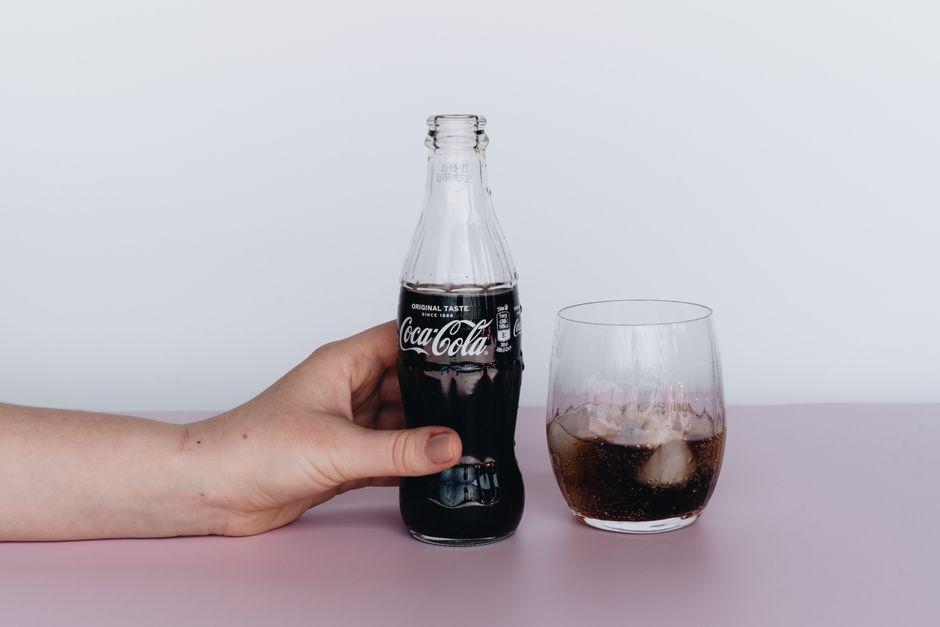
Yes, Coca-Cola contains caffeine. A standard 12-ounce can of Coca-Cola Classic has 34 milligrams of caffeine. That is roughly one-third of the caffeine in an 8-ounce cup of brewed coffee. The amount is consistent across standard cans, bottles, and fountain servings of the same size.
How Much Caffeine Is in Different Coca-Cola Products?
Caffeine amounts vary depending on the specific Coca-Cola product you choose. The classic version is not the strongest option on the shelf.
- Coca-Cola Classic (12 oz): 34 mg
- Diet Coke (12 oz): 46 mg
- Coca-Cola Zero Sugar (12 oz): 34 mg
- Caffeine-Free Coca-Cola (12 oz): 0 mg
- Cherry Coke (12 oz): 34 mg
Diet Coke stands out because it has a different formula than Coca-Cola Classic. It was designed as its own beverage, not simply a sugar-free version of the original. That is why its caffeine content differs.
For comparison, a standard 8-ounce cup of brewed coffee contains roughly 95 milligrams of caffeine. An 8-ounce cup of black tea has about 47 milligrams. Coca-Cola sits well below both of these common beverages.
Why Does Coca-Cola Contain Caffeine?
Caffeine is part of the original Coca-Cola formula. The beverage was created in the late 19th century, and caffeine has been an ingredient since the beginning.
The caffeine in Coca-Cola serves two purposes. First, it contributes to the flavor profile. Caffeine has a naturally bitter taste that balances the sweetness of the syrup. Remove it and the drink tastes noticeably different.
Second, caffeine is a stimulant. It blocks adenosine receptors in the brain, which reduces feelings of tiredness. This effect is why many people reach for a soda in the afternoon.
The caffeine in Coca-Cola is added during manufacturing. It is not a natural component of the other ingredients like the caramel color or the carbonated water.
Is Coca-Cola Caffeine Considered High?
No. Coca-Cola is a moderate-caffeine beverage compared to coffee and energy drinks.
A 12-ounce can of Coca-Cola Classic delivers 34 milligrams of caffeine. That is less than half the caffeine in a standard cup of coffee when you account for serving size differences. A 16-ounce energy drink typically contains 150 to 200 milligrams of caffeine.
For most healthy adults, up to 400 milligrams of caffeine per day is considered safe according to established dietary guidance. That means you could drink roughly 11 cans of Coca-Cola Classic in a day and still stay under this general threshold. That does not mean you should. The sugar content alone makes that a poor choice.
Pregnant women are advised to keep caffeine intake lower. General clinical guidance suggests limiting caffeine to about 200 milligrams per day during pregnancy. That would allow roughly five 12-ounce cans of Coca-Cola Classic, though again, sugar and other factors matter.
People who are sensitive to caffeine may notice effects from even a single can. Symptoms like jitteriness, rapid heartbeat, or trouble sleeping can occur at lower doses in sensitive individuals.





Does Coca-Cola Have More Caffeine Than Pepsi?
Coca-Cola and Pepsi are very close in caffeine content. A 12-ounce can of Pepsi contains 38 milligrams of caffeine. Coca-Cola Classic has 34 milligrams in the same serving size.
The difference is small. Most people cannot feel the difference between 34 and 38 milligrams of caffeine. Both beverages deliver a mild stimulant effect.
Diet versions follow a similar pattern. Diet Pepsi has 35 milligrams per 12 ounces, while Diet Coke has 46 milligrams. In this case, Diet Coke is noticeably higher.
If you are comparing brands to manage your caffeine intake, check the label on each specific product. The numbers vary across flavors and formulations.
Does Caffeine-Free Coca-Cola Taste the Same?
Caffeine-free Coca-Cola tastes very similar to the original, but not identical. The caffeine contributes a slight bitterness that is absent in the caffeine-free version.
Most people cannot tell the difference in a blind taste test. The dominant flavors in Coca-Cola come from the sweetener blend and the proprietary flavoring oils, not from the caffeine.
Caffeine-free Coca-Cola contains the same carbonation, sweetness, and flavor profile. The only meaningful difference is the absence of the stimulant. If you are avoiding caffeine for medical reasons or personal preference, this version gives you the closest match to the original taste.
Note that caffeine-free versions of other sodas may taste more noticeably different. Colas rely on caffeine for some of their signature bite, but Coca-Cola’s formula masks that effect well.
How Does Caffeine Affect Your Body?
Caffeine works by blocking adenosine receptors in the brain. Adenosine is a chemical that builds up throughout the day and makes you feel sleepy. When caffeine blocks these receptors, you feel more alert and less tired.
The effects begin within 15 to 45 minutes of consumption. Peak blood levels occur about one hour after drinking. The half-life of caffeine is roughly 3 to 5 hours in most adults, meaning half of the caffeine is still in your system several hours later.
This timeline matters for sleep. Drinking a Coca-Cola in the late afternoon can still affect your sleep quality at night. Even if you fall asleep easily, the caffeine can reduce deep sleep stages.
Regular consumption leads to tolerance. Your brain adapts to the presence of caffeine by creating more adenosine receptors. This means you need more caffeine to achieve the same alertness effect over time. It also means stopping suddenly can cause withdrawal symptoms like headaches, fatigue, and irritability.
Caffeine is not harmful at moderate levels for most healthy adults. The key is understanding your personal sensitivity and how caffeine affects your sleep and anxiety levels.
Is Caffeine in Soda a Concern for Children?
Pediatric guidance generally recommends that children avoid caffeine or consume very limited amounts. There is no established safe dose of caffeine for children because research is limited.
A 12-ounce can of Coca-Cola contains 34 milligrams of caffeine. For a child, this amount can cause noticeable effects including restlessness, difficulty concentrating, and disrupted sleep.
Many parents do not realize that soda contains caffeine. Checking labels is the first step. Caffeine-free versions of Coca-Cola are available and taste nearly identical to the original.
Beyond caffeine, the sugar content in regular Coca-Cola is a separate concern for children. A single 12-ounce can contains about 39 grams of added sugar, which exceeds the daily recommended limit for most children.
Frequently Asked Questions
How much caffeine is in a can of Coca-Cola?
A standard 12-ounce can of Coca-Cola Classic contains 34 milligrams of caffeine. Diet Coke contains 46 milligrams, and caffeine-free versions contain zero.
Is Coca-Cola more caffeinated than coffee?
No. A 12-ounce Coca-Cola has 34 milligrams, while an 8-ounce cup of brewed coffee has about 95 milligrams. Coffee is roughly three times stronger per serving.
Does Coca-Cola Zero Sugar have caffeine?
Yes. Coca-Cola Zero Sugar contains 34 milligrams of caffeine per 12-ounce can, the same amount as Coca-Cola Classic.
Can you get caffeine-free Coca-Cola?
Yes. Caffeine-free Coca-Cola and caffeine-free Diet Coke are widely available in most grocery stores and retailers.
