
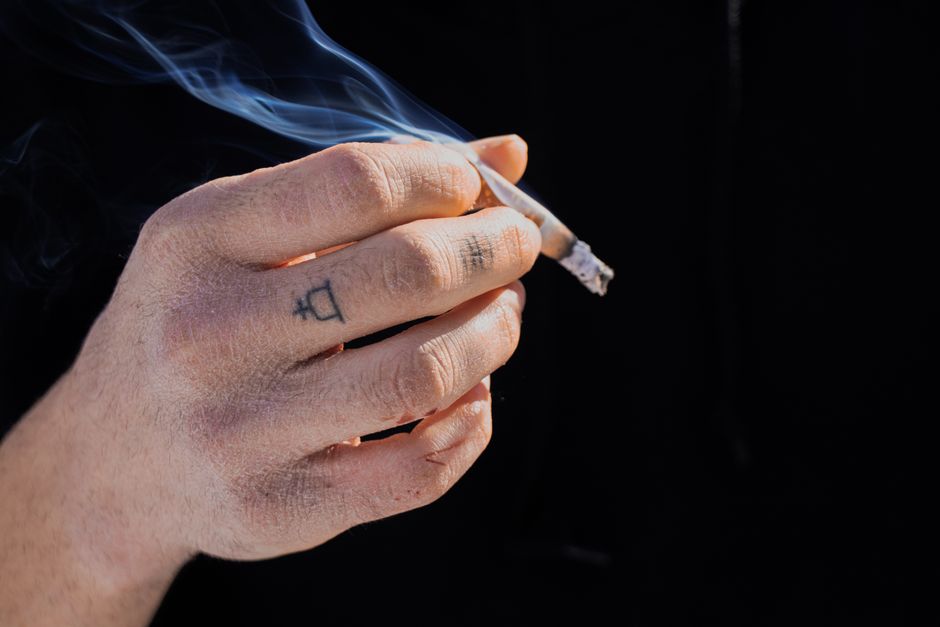
Smoking is strongly linked to hair loss, and the biology behind that link is well understood. Cigarettes deliver thousands of chemicals into the bloodstream, and many of them interfere with the blood flow, oxygen supply, and hormone balance that healthy hair follicles depend on. Smoking does not cause every case of hair loss, and genetics still matter most, but the connection is real and supported by a growing body of research.
Does cigarette smoking cause hair loss?
Yes, smoking is considered a genuine risk factor for hair loss, though it acts more as a contributor than a sole cause. The strongest evidence comes from studies of androgenic alopecia, the common inherited balding pattern in both men and women. A well-known study of more than 600 men and women published in the journal Archives of Dermatology found that smokers were significantly more likely to have moderate to severe hair loss than non-smokers, even after accounting for age and family history.
That study and others like it show an association, not proof that smoking directly causes every case. What they do establish is that smoking adds risk on top of genetics. Someone with a strong family history of baldness who smokes is more likely to lose hair earlier or more extensively than the same person who does not smoke.
The effect appears to follow a dose pattern in some research. Heavier smoking has been associated with greater hair loss than lighter smoking, which supports the idea that the chemicals in smoke are doing measurable harm rather than the link being coincidence.
How does smoking damage hair follicles?
Hair follicles are small organs that need a steady supply of oxygen, nutrients, and hormones to keep producing hair. Smoking disrupts all three. The mechanisms below are well established in general medicine, and researchers have applied them specifically to hair biology.
Reduced blood flow to the scalp
Nicotine is a vasoconstrictor. It narrows blood vessels, including the small vessels that feed the scalp and hair follicles. Carbon monoxide in cigarette smoke also binds to hemoglobin in red blood cells far more readily than oxygen does, which lowers the amount of oxygen that reaches tissues. A follicle that gets less blood and less oxygen has less energy for the demanding process of building a hair shaft.
Damage to the follicle’s support structure
Smoking increases oxidative stress, meaning it raises levels of unstable molecules that damage cells. It also affects collagen and elastin, the proteins that give skin and the tissue around follicles their structure. Some researchers have proposed that this damage contributes to the scarring seen in certain hair-loss conditions and to the general thinning of the scalp over time.
Effects on hormones
Smoking is associated with changes in hormone levels, including androgens, and some research suggests it can influence how estrogen behaves in the body. Because common balding is driven by androgen sensitivity in the follicle, any hormonal shift could plausibly affect hair. This particular pathway is less firmly established than the blood-flow and oxygen effects, so treat it as a likely contributor rather than a proven mechanism.
What does the research actually show?
The evidence base is real but not enormous. Most studies are observational, meaning they compare hair loss rates in smokers and non-smokers rather than randomly assigning people to smoke. Observational studies can be confounded by other factors, such as age, diet, stress, and genetics, though the better studies adjust for these.
- Multiple studies in men have found higher rates of balding among smokers than non-smokers.
- Studies in women have found similar patterns, with smoking linked to more severe hair thinning.
- At least one study found that the link held even after adjusting for family history of baldness.
- Some research suggests smoking may worsen the course of certain other hair-loss conditions, though this is less well studied.
What the research does not show is that smoking is the primary cause of most hair loss. Inherited pattern baldness remains the dominant cause in both sexes. Smoking appears to add risk and may accelerate what genetics had already set in motion.
One clarification worth making: the link is not limited to the scalp. Smoking is associated with hair loss across the body in some studies, which fits the idea that the mechanism is systemic — affecting blood supply and oxygen everywhere — rather than something specific to the head.
Is secondhand smoke a risk for hair loss?
The evidence here is thin. Secondhand smoke exposes non-smokers to many of the same chemicals, including nicotine and carbon monoxide, and it is well established that secondhand smoke harms the cardiovascular system. Whether that translates into measurable hair loss has not been well studied.
No large human trial has confirmed that secondhand smoke causes hair loss. It is reasonable to say that if the mechanisms above are real — and they are for smokers — then heavy, long-term secondhand exposure could plausibly contribute. But that remains an inference, not a demonstrated finding. Anyone concerned about hair loss should focus on the factors with clearer evidence.
Will hair grow back after quitting smoking?
Quitting is one of the most reliable things a smoker can do for overall health, and it improves circulation and oxygen delivery within weeks. Whether hair regrows is a different question, and the honest answer is that it depends on what caused the loss.
If smoking contributed to thinning by reducing blood flow and oxygen, removing that insult could allow follicles to function better. Some people report improved hair quality after quitting. But no large study has confirmed that quitting reliably reverses hair loss, and if the underlying cause is inherited pattern baldness, quitting will not restore hair that genetics has already removed.
The realistic expectation is this: quitting may slow further loss and support healthier hair growth, but it is not a treatment for baldness. Anyone expecting a full reversal should adjust that expectation. The benefit to the heart, lungs, and blood vessels is far more certain than any effect on hair.
What other factors cause hair loss?
Hair loss has many causes, and smoking is only one possible contributor. Identifying the real driver matters more than focusing on any single factor.
- Genetics. Inherited pattern baldness is the most common cause in both men and women.
- Hormonal changes. Thyroid problems, pregnancy, menopause, and conditions affecting androgen levels can all cause thinning.
- Nutritional deficiencies. Low iron, low vitamin D, and other deficiencies are associated with hair shedding.
- Stress and illness. A major physical or emotional stressor can trigger temporary shedding months later.
- Medications and medical conditions. Some drugs and diseases cause hair loss as a side effect.
- Harsh hair care. Tight hairstyles and chemical treatments can damage hair and follicles.
Because these causes overlap, a person losing hair should not assume smoking is the reason. A doctor can help sort out which factors are at play, and that matters because some causes are treatable.
Should smokers worried about hair loss quit?
Yes, and hair is not the main reason. Quitting smoking lowers the risk of heart disease, stroke, several cancers, and lung disease, and those benefits are far better established than any effect on hair.
For hair specifically, quitting removes a known source of reduced circulation and oxidative stress. It may help slow loss and support healthier growth, though it will not undo genetic baldness. If hair loss is a concern, quitting is one reasonable step among several — alongside a check for nutritional deficiencies, a review of medications, and a conversation with a doctor about whether a treatable condition is involved.
The bottom line is that smoking is linked to hair loss through mechanisms that make biological sense and are supported by observational research. It is not the only cause, and quitting is not a guaranteed fix. But the connection is real, and the reasons to quit go well beyond the scalp.
Frequently Asked Questions
Does smoking cause hair loss?
Smoking is a recognized risk factor for hair loss, particularly inherited pattern baldness, and studies have found higher rates of balding among smokers. It adds risk on top of genetics rather than acting as the sole cause.
Can quitting smoking regrow hair?
No large study has confirmed that quitting reliably regrows hair. Quitting may slow further loss and support healthier growth, but it will not reverse baldness caused by genetics.
How does smoking affect hair follicles?
Smoking narrows blood vessels and reduces oxygen delivery to the scalp, and it raises oxidative stress that damages cells. These effects can impair the follicle’s ability to produce healthy hair.
Is hair loss from smoking permanent?
Some of the damage may be reversible if smoking was a contributing factor, but loss caused by inherited pattern baldness is generally permanent. The evidence on reversal is limited.
