
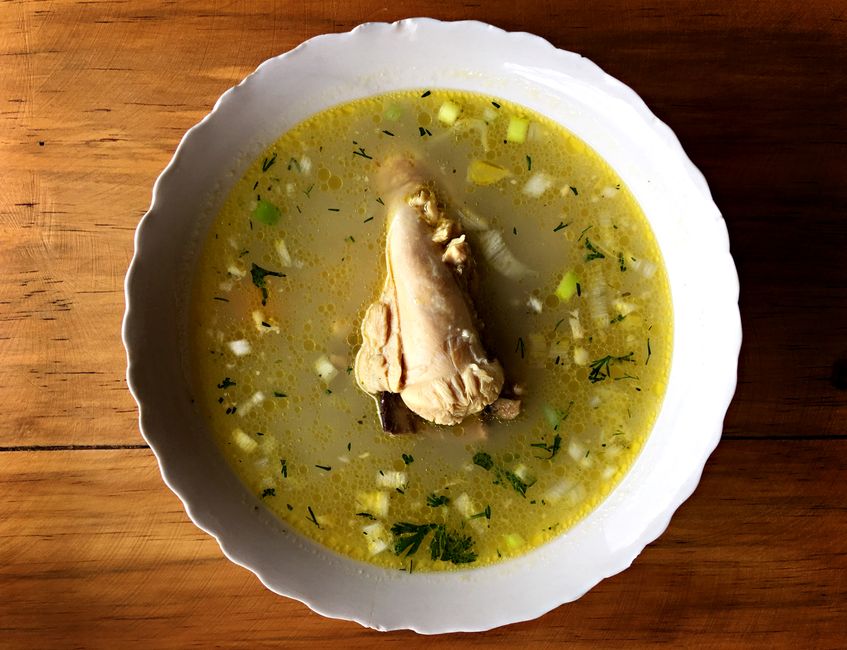
Yes, chicken broth does contain protein, but the amount is often much lower than people expect. A standard cup of homemade chicken broth typically provides between 2 and 5 grams of protein. That is real protein, but it is not a high-protein food. The truth is that chicken broth and chicken stock are different products with different protein contents, and neither should be relied on as a primary protein source.
Does Chicken Broth Have Protein Compared to Stock?
The terms broth and stock are often used as if they mean the same thing. In the kitchen, they are similar. On nutrition labels, the difference matters.
Chicken broth is typically made from chicken meat, bones, and vegetables simmered for a shorter time, usually one to two hours. Chicken stock is made primarily from bones and is simmered much longer, often six to twenty-four hours. The longer simmering time extracts more collagen and gelatin from the bones, which changes the protein profile.
In commercial products, the difference is more defined. Broth is usually seasoned and contains slightly more protein from the meat. Stock is often unseasoned and may contain more collagen-derived protein. However, these are general patterns, not strict rules. The actual protein content depends heavily on the specific recipe or brand.
If you are comparing labels, check the nutrition facts panel rather than relying on the name. A product labeled “bone broth” often contains more protein than one labeled “chicken broth,” but this varies by manufacturer. Some commercial chicken broths contain as little as 1 gram of protein per cup, while some bone broths contain 10 grams or more per cup.
How Much Protein Is in a Cup of Chicken Broth?
Homemade chicken broth varies widely in protein content. A broth made with a whole chicken and simmered for several hours will have more protein than a quick broth made from a carcass and vegetable scraps.
As a general reference, one cup (240 ml) of homemade chicken broth contains roughly 2 to 5 grams of protein. Commercial chicken broth is often lower, sometimes containing only 1 to 2 grams per cup. Bone broth products, which are simmered longer, typically contain 6 to 10 grams per cup.
For context, a large egg contains about 6 grams of protein. A 3-ounce serving of cooked chicken breast contains about 26 grams. One cup of milk contains 8 grams. Chicken broth is not in the same category as these foods when it comes to protein density.
This does not mean broth is useless. It provides fluids, electrolytes, and some amino acids. But if your goal is to increase daily protein intake, broth alone will not get you there.
What Kind of Protein Is in Chicken Broth?
The protein in chicken broth is not the same as the protein in a chicken breast. Most of the protein in well-made broth comes from collagen, which is the main structural protein in bones, skin, and connective tissue.
During a long simmer, collagen breaks down into gelatin. Gelatin is a protein, but it is an incomplete protein. It lacks adequate amounts of some essential amino acids, particularly tryptophan. Your body can use gelatin for certain purposes, but it cannot rely on it as a complete protein source.
Chicken broth made with meat will also contain some muscle protein, which is a complete protein. This is why broth made with meat generally has a higher protein content than broth made with bones alone. The amino acid profile is more balanced when meat is included.
Collagen and gelatin have been studied for their effects on joint health, skin elasticity, and gut health. Some research suggests benefits, but the evidence is not conclusive. The studies that exist are often small or funded by companies that sell collagen products. It is fair to say that gelatin from broth is a real protein with real biological effects, but the clinical benefits are still being investigated.




Is Chicken Broth a Good Source of Protein?
No. Chicken broth is not a good source of protein in the nutritional sense. A food is generally considered a good protein source when it provides a meaningful amount of protein relative to its calories.
One cup of chicken broth contains about 10 to 30 calories. Even at 5 grams of protein per cup, that is a reasonable protein-to-calorie ratio. But the absolute amount is small. You would need to drink four to five cups of high-protein broth to get the same protein as one chicken breast.
Drinking that much broth also means consuming a significant amount of sodium. Many commercial broths contain 500 to 900 mg of sodium per cup. The American Heart Association recommends limiting sodium to no more than 2,300 mg per day, with an ideal limit of 1,500 mg for most adults. Relying on broth for protein could push you past those limits quickly.
If you enjoy broth, drink it. It is hydrating and warming. But pair it with actual protein sources like chicken, eggs, beans, or dairy to meet your daily needs.
Does Chicken Broth Protein Count Toward Daily Protein Needs?
Yes, the protein in chicken broth counts toward your daily total. Your body does not distinguish between protein from broth and protein from chicken breast when calculating your intake.
However, the quality matters. The protein in broth is largely gelatin, which is incomplete. Your body needs all nine essential amino acids to build new proteins. If most of your protein comes from incomplete sources, you may not get enough of certain amino acids.
This is rarely a practical problem for people who eat a varied diet. If you eat meat, fish, eggs, dairy, or soy, you are likely getting enough complete protein. The incomplete protein in broth simply adds to your total intake.
For older adults, who often have reduced appetites, broth can be a useful way to add some protein to soups or stews. But it should be a supplement to solid protein sources, not a replacement for them.
Homemade Broth vs. Store-Bought: Which Has More Protein?
Homemade broth generally has more protein than store-bought broth, but not always. It depends on how you make it.
To maximize protein in homemade broth, use a combination of meat and bones. Simmer for at least four to six hours. Add chicken feet or wings, which are rich in collagen. Do not skim the fat too aggressively, as some proteins are associated with the fat layer.
Store-bought broth is often diluted to control flavor and cost. Many products are also filtered to remove cloudiness, which can remove some protein. If you buy commercial broth, look for products that list a higher protein amount on the label. Some premium brands and bone broth products genuinely contain 8 to 10 grams per cup.
Read the ingredient list. Some broths contain added yeast extract or hydrolyzed protein to boost the savory flavor. These additives can increase the protein number on the label, but they are not the same as protein derived from chicken. The nutrition label does not distinguish between the two.
How to Add More Protein to Chicken Broth
If you like broth but want more protein, there are simple ways to increase it without drinking multiple cups.
- Add shredded chicken meat directly to the broth. A half-cup of shredded chicken adds about 20 grams of protein.
- Stir in an egg. Dropping a beaten egg into hot broth creates egg drop soup and adds about 6 grams of protein.
- Add tofu or edamame for a plant-based protein boost. Half a cup of tofu adds about 10 grams.
- Use broth as a base for lentil or bean soup. One cup of cooked lentils adds about 18 grams of protein.
- Mix in a scoop of unflavored collagen powder, which dissolves without changing the flavor. One scoop typically adds 10 to 20 grams of protein.
These additions turn a low-protein liquid into a more balanced meal. This is also how traditional cuisines use broth — as a foundation, not as the main event.
What About Bone Broth and Protein Claims?
Bone broth has been heavily marketed as a protein-rich health drink. Some of these claims are exaggerated.
Bone broth does contain more protein than regular broth in many cases. The long simmering time extracts more collagen from bones and connective tissue. Some commercial bone broths contain 8 to 10 grams of protein per cup, which is meaningful.
But not all bone broth products are equal. Some are essentially regular broth in a fancy package. The only reliable way to know is to check the nutrition label. If a product claims to be high in protein, the label should show at least 8 grams per serving.
The health benefits of bone broth are often overstated. No large clinical trials have confirmed that bone broth improves joint pain, heals the gut, or reverses aging. Some small studies on collagen supplements suggest potential benefits for skin hydration and joint comfort, but these findings do not automatically apply to broth. The evidence is promising but not conclusive.
Treat bone broth as a flavorful, hydrating food with some protein — not as a medicine.
Does Chicken Broth Have Protein? The Bottom Line
Chicken broth contains protein, typically 2 to 5 grams per cup for homemade versions and sometimes less for commercial products. Bone broth products often contain more, sometimes 8 to 10 grams per cup.
This protein is real and counts toward your daily intake, but it is mostly collagen-derived and incomplete. Broth is not a high-protein food and should not be your primary protein source. It is best used as a flavorful base for soups, a warming drink, or a way to add a small amount of protein and fluids to your diet.
If you want more protein from broth, add chicken, eggs, tofu, or beans. Check labels on commercial products, because the name on the package does not always match the protein content inside.
Frequently Asked Questions
Is chicken broth high in protein?
No, chicken broth is not high in protein. A typical cup contains only 2 to 5 grams, which is far less than eggs, meat, or dairy.
How much protein is in a cup of homemade chicken broth?
Homemade chicken broth usually contains about 2 to 5 grams of protein per cup, depending on the recipe and simmering time.
Does chicken broth have more protein than chicken stock?
Not necessarily. Stock made from bones may have more collagen protein, but commercial products vary widely and the label is the only reliable guide.
Can I use chicken broth as a protein source after a workout?
Broth alone is not sufficient for post-workout protein needs. You would need to drink several cups to get a meaningful amount, which would also deliver excess sodium.
