
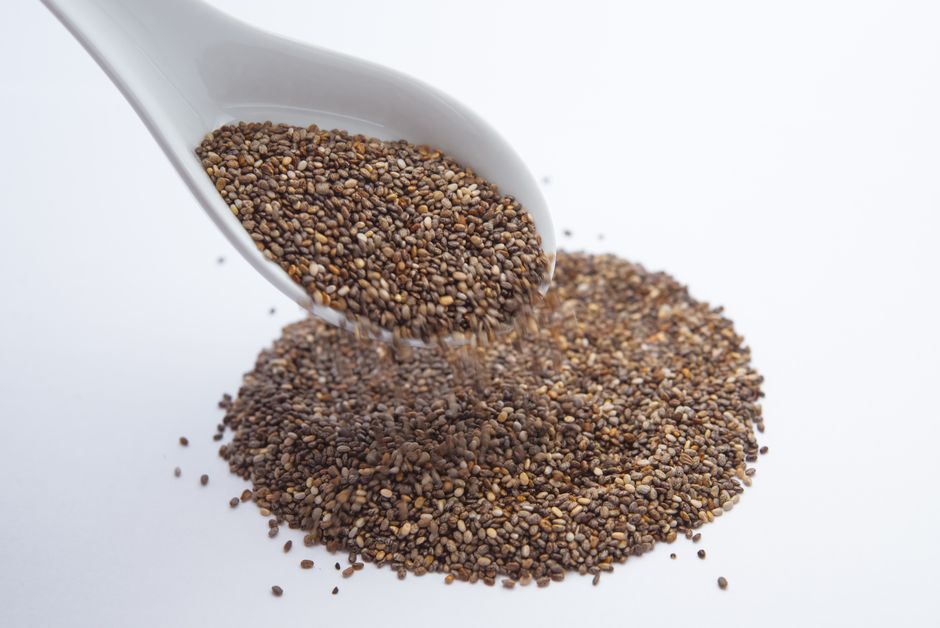
Chia seeds can cause diarrhea in some people, but they are not inherently a diarrhea-causing food. The most common reason is a sudden increase in dietary fiber, which your digestive system may not be used to. For most people, diarrhea from chia seeds is temporary and preventable with a few simple adjustments.
Why Chia Seeds Can Cause Diarrhea
Chia seeds are very high in fiber. A single ounce, about two tablespoons, contains roughly 10 grams of fiber. That is about a third of the daily recommended intake for an adult. Your body does not digest fiber. It passes through your digestive tract mostly intact.
If you are not used to eating much fiber, a sudden jump like this can overwhelm your system. The undigested fiber draws water into the colon. This speeds up bowel movements. The result can be loose stools or diarrhea. This is a well-understood digestive response, not an allergy or intolerance.
Fiber is also fermented by bacteria in the colon. This fermentation produces gas. That explains the bloating and cramping some people feel after eating chia seeds. The gas and the extra water together can push things through faster than normal.
How Much Chia Is Too Much?
There is no official limit for chia seed intake. No clinical guidelines specify a maximum daily dose. However, the general advice from dietitians is to start small and increase gradually. A common starting point is one teaspoon per day. You can work up to one or two tablespoons over a week or two.
The issue is not the chia itself. It is the speed at which you increase your fiber intake. The digestive tract adapts to fiber over time. Bacteria in the colon change in response to what you eat. Give your system time to adjust and problems usually resolve.
People who already eat a high-fiber diet rarely have trouble with chia seeds. People who eat a low-fiber diet are the ones who most often report digestive upset. If your usual diet is heavy in processed foods, your gut is not primed for a sudden fiber load.
How Chia Seeds Behave in the Digestive Tract
Chia seeds have a unique property. They absorb liquid and form a gel. This is why they are used in puddings and smoothies. When you eat dry chia seeds, they absorb water in your stomach and intestines. This is generally a good thing for hydration and fullness.
But if you eat them dry and do not drink enough water, the gel can become thick and slow-moving. This can cause constipation in some people. In others, the opposite happens. The gel adds bulk and water to stool, which speeds up transit time.
The form matters. Whole seeds that have not been soaked behave differently than ground seeds or pre-soaked seeds. Soaked chia seeds are already hydrated. They are less likely to pull water from your colon. Dry seeds are more likely to cause a shift in fluid balance.
There is a common belief that chia seeds can swell in the throat and cause choking. This is rare but possible if you eat them dry and swallow them quickly. The safest approach is to soak them in liquid before eating. This also makes them easier to digest.





Who Is More Likely to Have Problems?
Certain groups are more sensitive to chia seeds. People with irritable bowel syndrome, or IBS, often react to sudden fiber changes. Some types of fiber are better tolerated than others. Chia seeds contain both soluble and insoluble fiber. The insoluble portion is more likely to trigger symptoms in sensitive individuals.
People with a history of bowel surgery may also need to be careful. Scar tissue and altered anatomy can change how fiber moves through the system. If you have had abdominal surgery, talk to your doctor before adding large amounts of fiber to your diet.
People taking certain medications may notice changes too. Fiber can affect how medications are absorbed. If you take medication daily, timing matters. Taking chia seeds at the same time as medication could reduce absorption. Space them out by at least a couple of hours if you are concerned.
How to Prevent Diarrhea From Chia Seeds
Start small. One teaspoon is a reasonable beginning dose. See how your body responds for a few days before increasing. This is the single most effective way to avoid digestive upset.
Soak your seeds. Mix one tablespoon of chia seeds with about three tablespoons of water. Let them sit for 10 to 15 minutes. The gel that forms is easier on the digestive tract than dry seeds. You can add the gel to yogurt, oatmeal, or smoothies.
Drink plenty of water. Fiber needs water to move through the digestive tract smoothly. If you increase fiber without increasing fluids, you risk constipation. If you drink too much fluid too fast, you may get loose stools. Aim for steady hydration throughout the day.
Do not combine chia seeds with other high-fiber foods on the same day when you are first starting. A sudden fiber overload from multiple sources is more likely to cause problems. Keep the rest of your meals simple while your gut adjusts.
What to Do If You Already Have Diarrhea
If you ate chia seeds and now have diarrhea, stop eating them for a few days. Let your digestive system settle. Focus on bland, low-fiber foods like rice, bananas, and toast. Drink fluids to replace what you have lost.
Diarrhea from chia seeds usually resolves within 24 to 48 hours. If it lasts longer than that, or if you have severe pain, fever, or blood in your stool, seek medical care. These symptoms are not typical of a fiber reaction and need proper evaluation.
Once your symptoms resolve, you can try chia seeds again. Start with a smaller amount. Soak them thoroughly. If the diarrhea returns even with a small soaked portion, chia seeds may not be right for you. Some people simply do not tolerate them well.
Are There Other Causes of Diarrhea to Consider?
Chia seeds are often added to smoothies, puddings, and energy bars. These foods may contain other ingredients that cause diarrhea. Sugar alcohols, artificial sweeteners, and dairy are common culprits. If you developed diarrhea after eating a chia product, the chia seeds may not be the cause.
Food poisoning is another possibility. Chia seeds can harbor bacteria if not stored properly. They are a plant product and can be contaminated during processing. If multiple people got sick after eating the same chia product, contamination is more likely than a fiber reaction.
Pay attention to the pattern. Diarrhea that happens every time you eat chia seeds, in any form, points to a sensitivity. Diarrhea that happens once after a specific product points to contamination or another ingredient. This distinction matters for how you respond.
What Research Actually Shows
Clinical research on chia seeds and diarrhea specifically is limited. Most studies on chia seeds focus on their nutritional profile and effects on blood sugar, cholesterol, and weight. Digestive side effects are reported but are not the primary focus of most trials.
Some research suggests that chia seeds are well tolerated in moderate amounts. Studies that use one to two tablespoons per day report few adverse effects. The most commonly reported side effects are mild gastrointestinal symptoms like bloating and gas. Diarrhea is less commonly reported but does occur.
The evidence for chia seeds as a cause of diarrhea is largely based on the known physiology of fiber. High-fiber foods are a recognized cause of loose stools in people who are not accustomed to them. This is not specific to chia seeds. Any sudden fiber increase can have the same effect.
There is no research showing that chia seeds are dangerous or that they cause lasting harm to the digestive tract. The symptoms are uncomfortable but temporary. They do not indicate an allergy or a medical condition in most cases.
Frequently Asked Questions
Can chia seeds cause diarrhea the first time you eat them?
Yes, if you are not used to high-fiber foods, your first serving of chia seeds can cause diarrhea. Start with a small amount like one teaspoon and increase gradually.
How long does diarrhea from chia seeds last?
Diarrhea from a fiber reaction usually resolves within 24 to 48 hours. If it lasts longer or comes with severe pain or fever, see a doctor.
Do soaked chia seeds cause less diarrhea than dry chia seeds?
Soaked chia seeds are generally easier on the digestive tract than dry seeds. Soaking hydrates the seeds in advance, which reduces the fluid shift in your colon.
Are chia seeds safe for people with irritable bowel syndrome?
Some people with IBS tolerate chia seeds well, while others do not. The insoluble fiber can trigger symptoms in sensitive individuals. Start with a very small amount and monitor your response.
