
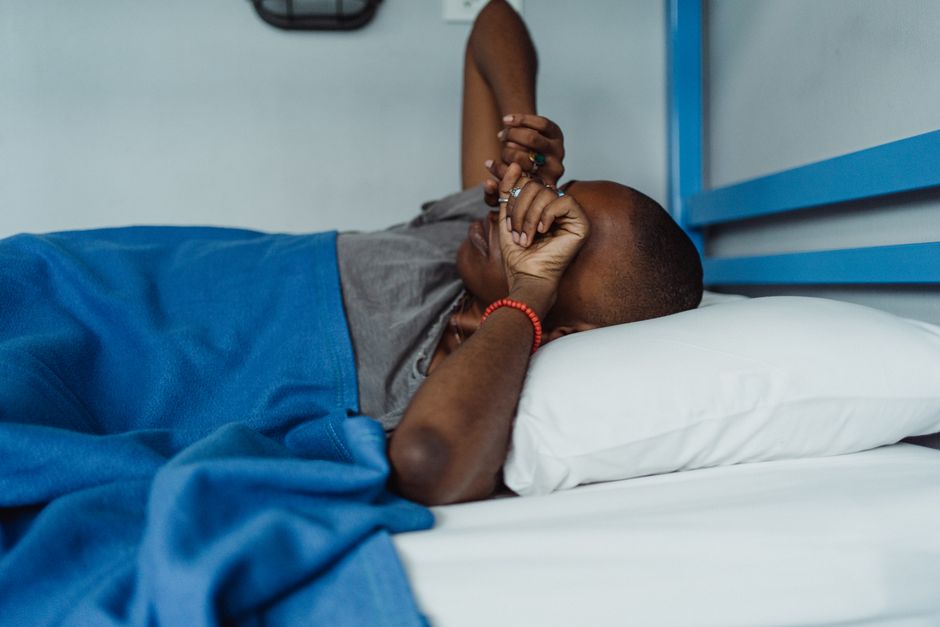
CBD is not a sedative in the way that sleep medications are, but many people do feel sleepy after taking it. The truth is that CBD does not directly cause drowsiness for most people, but it can help calm the nervous system, which often makes falling asleep easier. Research shows that CBD interacts with the body’s endocannabinoid system, which helps regulate sleep, mood, and stress, but the effect on sleepiness varies significantly from person to person.
Does CBD Make You Sleepy?
The short answer is: sometimes, but not for everyone. CBD does not act on the brain the same way that sedatives or sleeping pills do. Instead of forcing the body into sleep, CBD appears to reduce anxiety and physical tension. When your mind is less racing and your body is less tense, sleep often comes more naturally.
Some studies suggest that CBD may improve sleep quality, especially for people who struggle with anxiety-related insomnia. However, other research shows that CBD can actually increase alertness in low doses. This is why some people report feeling more awake and focused after taking CBD, while others feel ready for bed. The dose, the time of day, and your individual body chemistry all play a role.
It is also important to note that many CBD products contain other compounds. Full-spectrum products include trace amounts of THC, which can be mildly sedating. If you are using a product marketed for sleep, it may also contain melatonin or other calming herbs. In those cases, the sleepiness may come from the other ingredients, not the CBD itself.
How CBD Affects Sleep and Wakefulness
CBD interacts with the endocannabinoid system, a network of receptors throughout the body that helps maintain balance. This system influences many functions, including sleep-wake cycles, pain perception, and stress responses. CBD does not bind directly to the main cannabinoid receptors the way THC does. Instead, it influences them indirectly, which is why its effects are more subtle and varied.
One way CBD may support sleep is by reducing anxiety. Anxiety is one of the most common reasons people struggle to fall asleep. When CBD lowers feelings of stress, the mind can settle down enough for sleep to happen. This effect is well documented in some clinical trials, though the exact mechanism is still being studied.
CBD may also help with pain and discomfort that keeps people awake at night. By reducing inflammation and altering pain perception, CBD can make it easier to get comfortable in bed. Again, this does not mean CBD is a painkiller in the traditional sense. It simply means that for some people, the reduction in discomfort is enough to allow sleep.
Another important point is that CBD can affect sleep architecture. Some research suggests that CBD may increase the amount of time spent in deep sleep while reducing REM sleep. This can be helpful for people who wake up frequently, but it can also mean less dreaming. The clinical significance of these changes is not fully understood.
Why Some People Feel Sleepy and Others Feel Awake
Individual responses to CBD vary widely. Some of this comes down to dosage. Low doses of CBD are often associated with increased alertness. Higher doses are more likely to produce a calming effect. There is no universal threshold that works for everyone, and finding the right dose often requires experimentation.
Your natural sleep drive also matters. If you are already tired, CBD may make it easier to notice and act on that tiredness. If you are well rested, CBD may not make you sleepy at all. This is an important distinction. CBD does not create sleepiness where none exists. It may simply remove the barriers that are keeping you awake.
Genetics play a role as well. Some people have variations in their endocannabinoid system that make them more sensitive to CBD. Others metabolize CBD quickly and feel little effect. This is why one person may find that CBD makes them sleepy within minutes, while another person feels nothing at all.





CBD vs. Melatonin for Sleep
Many people compare CBD to melatonin when considering sleep aids, but they work very differently. Melatonin is a hormone that signals to your brain that it is time to sleep. It helps regulate your circadian rhythm and is most effective when taken at the right time of night.
CBD does not act as a hormonal signal. It works by calming the nervous system and reducing stress. For people whose sleep problems stem from anxiety or racing thoughts, CBD may be more helpful than melatonin. For people with delayed sleep phase or jet lag, melatonin is often the better choice.
Some products combine both ingredients. This can be effective, but it is important to understand what you are taking. If a product contains both CBD and melatonin, the sleepiness you feel may come from the melatonin, the CBD, or the combination. There is no strong evidence that they work synergistically, but many people report good results with combination products.
How to Take CBD for Sleep
If you want to try CBD for sleep, start with a low dose and take it about 30 to 60 minutes before bed. This gives the body time to absorb and process the compound. Oil tinctures placed under the tongue are absorbed faster than edibles, which must pass through the digestive system.
Keep a sleep diary to track your results. Note the dose you took, the time you took it, and how you felt in the morning. This will help you determine whether CBD is actually helping or whether the effect is placebo. It will also help you find the right dose over time.
Be aware that CBD can interact with certain medications. It is processed by the liver through the same enzymes that break down many prescription drugs. If you take blood thinners, antidepressants, or seizure medications, talk to your doctor before adding CBD to your routine. This is not a suggestion. It is a genuine safety consideration.
What the Evidence Actually Shows
The research on CBD and sleep is still in its early stages. Some small clinical trials have found that CBD improves sleep in people with anxiety. Other studies have shown improvements in sleep for people with chronic pain. However, large-scale, long-term studies are still lacking.
One review of existing studies found that CBD may help with insomnia, but the authors noted that the quality of the evidence was low. Most studies have small sample sizes and short durations. This means that while the preliminary results are promising, they are not conclusive.
It is also worth noting that the FDA has not approved CBD for the treatment of insomnia or any other sleep disorder. The only FDA-approved CBD product is a prescription medication for certain forms of epilepsy. Everything else is sold as a supplement, which means it is not regulated for safety or effectiveness in the same way that medications are.
Risks and Side Effects
CBD is generally well tolerated, but it is not free of side effects. Some people experience dry mouth, diarrhea, reduced appetite, or fatigue. The fatigue is worth paying attention to. If CBD makes you feel tired the next morning, you may be taking too much or taking it too late in the day.
There is also the question of product quality. Because CBD supplements are not tightly regulated, products can vary widely in what they actually contain. Some products contain less CBD than the label claims. Others contain more. Some contain trace amounts of THC that could show up on a drug test. Choose products that have been independently tested by a third-party laboratory.
If you are pregnant, nursing, or considering CBD for a child, the evidence is too limited to support its use. No clinical guidelines currently exist for these populations. The safest choice is to avoid CBD in these situations unless a healthcare provider specifically recommends it.
Frequently Asked Questions
Will CBD make me sleepy during the day?
It can, especially at higher doses or if you are already tired. Low doses are more likely to increase alertness, so start small if you are taking CBD during the day.
How long does it take for CBD to make you sleepy?
Most people feel effects within 30 to 60 minutes when taking oil under the tongue. Edibles can take one to two hours because they must be digested first.
Is CBD safe to take every night for sleep?
Short-term use appears to be safe for most adults, but long-term safety data is limited. If you use it nightly for more than a few weeks, check in with your doctor about whether it is appropriate for you.
Can CBD make sleep problems worse?
Yes, in some cases. High doses of CBD can cause alertness in certain people, and taking it too late in the evening may leave you feeling groggy the next day. If this happens, reduce the dose or stop using it.
