
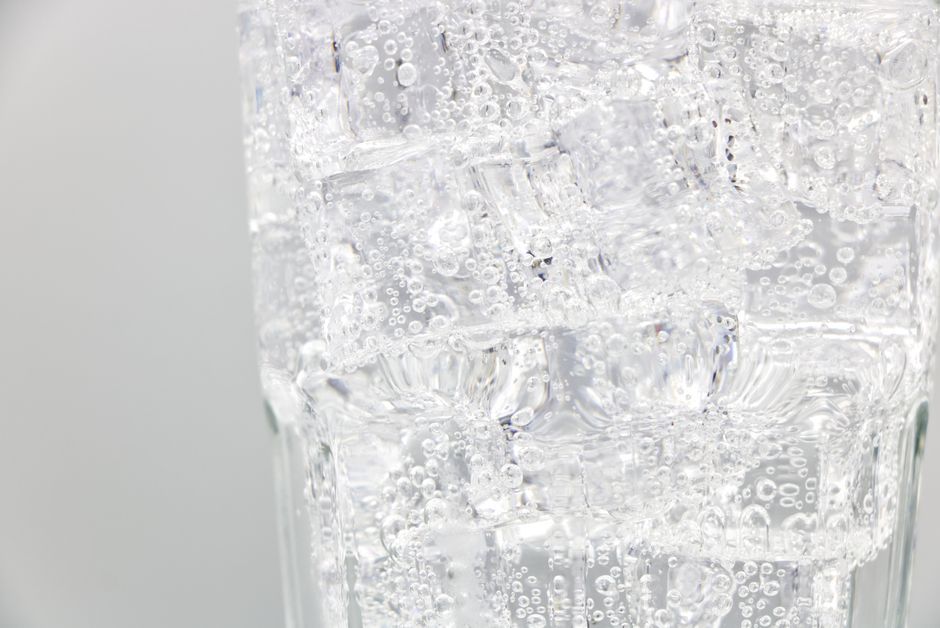
Carbonated water is a popular alternative to still water, but many people wonder if the bubbles affect their digestion. The direct answer is that for most people, carbonated water neither causes constipation nor relieves it. It is essentially water with dissolved carbon dioxide gas, and water itself is one of the most important factors in preventing constipation. However, the carbonation can cause gas and bloating in some individuals, which might feel uncomfortable but is not the same as constipation.
What Is Carbonated Water and How Does It Affect Digestion?
Carbonated water starts as regular water. Carbon dioxide gas is added under pressure to create the bubbles. This process creates carbonic acid, which gives the water a slightly tangy taste. The acid is weak and does not significantly change how your stomach or intestines process the water.
Your digestive tract absorbs the water just like it would absorb still water. The carbon dioxide gas is mostly released as burps. Some gas passes into the intestines, which can cause bloating or flatulence in sensitive people. But the water itself still hydrates your body and adds fluid to your stool.
Dehydration is a common cause of constipation. When your body lacks enough fluid, the colon pulls water from the stool, making it hard and dry. Drinking any form of water, including carbonated water, helps counteract this process. The bubbles do not block this effect.
Does Carbonated Water Cause Constipation?
No solid evidence links carbonated water to constipation. Research has not found a mechanism where carbon dioxide gas would slow down the digestive tract or reduce water absorption in a way that leads to hard stools. For most people, carbonated water behaves like regular water in terms of hydration.
Some people report feeling constipated after drinking carbonated water, but this is usually a misunderstanding of symptoms. The gas can cause abdominal discomfort, bloating, and a feeling of fullness. These sensations are not constipation. Constipation is defined by infrequent bowel movements or difficulty passing stool, not by how your stomach feels.
If you drink large amounts of carbonated water and replace still water entirely, you might notice changes in your digestion. This is more likely related to the gas than to the water itself. The solution is simple: drink a mix of still and carbonated water if gas bothers you.
Can Carbonated Water Help Relieve Constipation?
There is limited research specifically on carbonated water and constipation. Some studies suggest that carbonated water may improve indigestion and reduce constipation symptoms, but the evidence is not strong enough to recommend it as a treatment. What is clear is that hydration helps prevent and relieve constipation.
A small number of studies have examined the effects of carbonated water on digestion. Some research indicates that carbonated water can stimulate the digestive system and improve gallbladder function. However, these studies are limited in size and scope. No large clinical trials have confirmed that carbonated water is a reliable remedy for constipation.
One important distinction: mineral carbonated waters contain magnesium, calcium, or sodium in addition to carbon dioxide. Magnesium in particular is known to draw water into the intestines and can have a mild laxative effect. If you drink a carbonated mineral water high in magnesium, you might experience softer stools. This effect comes from the minerals, not the bubbles.
-
 Natural Remedies for Constipation: 10 Science-Backed Options
 -
Can Intermittent Fasting Cause Constipation? Benefits, Pros & Cons
-
Constipation Relief During Pregnancy: Why It happens & Tips
-
Why Does Ozempic Cause Constipation And How To Stop It?
-
Finessa Reviews & Complaints 2026: Helps In Gut & Digestion?





What the Research Actually Shows
The scientific literature on carbonated water and constipation is thin. Most digestive health research focuses on fiber, fluid intake, and physical activity. Carbonated water rarely appears as a specific variable in these studies.
One study published in the European Journal of Gastroenterology and Hepatology examined the effects of carbonated water on patients with functional dyspepsia and constipation. The study found that carbonated water improved both conditions compared to regular water. However, this was a small study, and the results have not been widely replicated.
Other research has looked at carbonated water and satiety, or the feeling of fullness. Carbonated water can make you feel fuller than still water, which might reduce your overall food intake. This is not directly related to constipation, but it shows that the bubbles have measurable effects on the digestive system beyond simple hydration.
The honest position is that the evidence is limited. No major medical organization recommends carbonated water as a treatment for constipation. At the same time, no evidence suggests it causes constipation. It is a neutral beverage for most people.
When Carbonated Water Might Cause Problems
Certain people are more sensitive to carbonation than others. If you have irritable bowel syndrome (IBS), gastroesophageal reflux disease (GERD), or a history of bloating, carbonated water might trigger symptoms. The gas can distend your stomach and intestines, which may cause discomfort or mimic the feeling of being blocked up.
People with GERD often find that carbonated beverages worsen acid reflux. The gas expands the stomach, which can push stomach acid up into the esophagus. This is not constipation, but it is a real digestive issue that might make you avoid carbonated water.
If you notice that carbonated water consistently gives you gas or bloating, you are not imagining it. You might be sensitive to carbon dioxide. Switching to flat water is a reasonable choice. Your hydration needs remain the same, but you avoid the uncomfortable side effects.
Sugar-sweetened carbonated drinks are a different matter. Sodas and sweetened sparkling beverages contain high amounts of sugar or artificial sweeteners. These can affect your digestion in ways that plain carbonated water does not. Some artificial sweeteners, particularly sugar alcohols like sorbitol, can cause diarrhea or loose stools. Others might contribute to digestive discomfort.
How to Use Carbonated Water Wisely for Digestion
If you enjoy carbonated water and want to include it in your routine, there is no reason to stop. The key is to treat it as a hydration tool, not a medicine. Drink it alongside a balanced diet rich in fiber and adequate physical activity.
Pay attention to your body. If carbonated water makes you feel bloated or uncomfortable, reduce your intake or switch to still water. If it does not bother you, continue drinking it. Your individual response is the most reliable guide.
For constipation relief, the evidence-based approaches remain consistent. Increase your fiber intake gradually through fruits, vegetables, and whole grains. Drink plenty of fluids throughout the day. Stay physically active. These measures have strong clinical support for preventing and treating constipation.
If you are considering carbonated mineral water specifically for its magnesium content, check the label. Not all mineral waters contain meaningful amounts of magnesium. The magnesium content varies widely by brand and source. No clinical guidelines currently exist for using carbonated mineral water as a laxative.
Carbonated Water vs. Still Water for Hydration
Both carbonated and still water hydrate your body equally. The carbon dioxide does not interfere with water absorption in your intestines. Studies have compared hydration status after drinking both types of water and found no meaningful difference.
Some people drink more carbonated water than they would still water because they enjoy the taste and fizz. This can be a net positive for hydration. Others find that the bubbles make them feel full before they drink enough, which could lead to lower overall fluid intake. Again, individual response matters.
There is no medical reason to avoid carbonated water for the sake of your digestion. If you prefer it, drink it. If you do not, drink still water. Both are excellent choices for maintaining hydration.
Practical Tips for Healthy Digestion
Constipation affects up to 20% of the population at some point. It is more common in women, older adults, and people with low physical activity levels. The causes are often multiple, including low fiber intake, inadequate fluids, and certain medications.
If you are prone to constipation, focus on the fundamentals before worrying about carbonation. Aim for a fiber-rich diet with plenty of fruits, vegetables, legumes, and whole grains. Drink enough fluid to keep your urine light yellow. Exercise regularly to stimulate bowel activity.
Do not ignore persistent constipation. If you have fewer than three bowel movements per week, difficulty passing stool, or hard stools for more than a few weeks, talk to a healthcare provider. They can identify underlying causes and recommend appropriate treatment.
Frequently Asked Questions
Can carbonated water cause constipation?
No evidence shows that carbonated water causes constipation. It hydrates the body like still water, which helps prevent hard stools.
Is carbonated water good for constipation relief?
The evidence is limited, and carbonated water is not a proven treatment. Adequate hydration, fiber, and physical activity are the established remedies.
Does sparkling water have the same effect as regular water on digestion?
Yes, for hydration purposes. The carbon dioxide gas can cause bloating in some people, but it does not change water absorption in the intestines.
Can carbonated water cause bloating and gas?
Yes, in some people. The carbon dioxide gas can create abdominal discomfort, which is different from constipation but may feel similar.
