
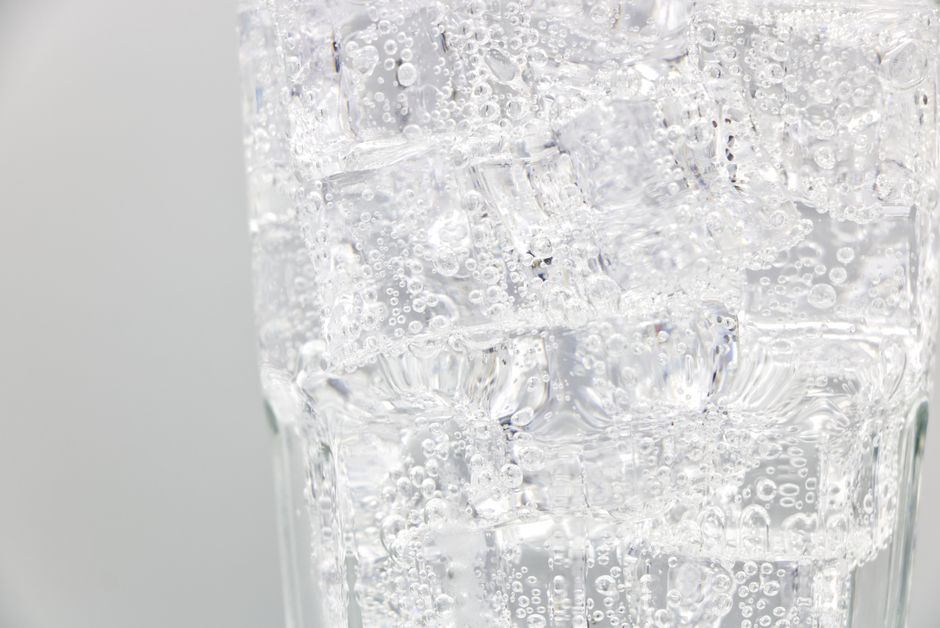
Yes, carbonated water can cause bloating, and for most people, it is a normal and temporary response. The bubbles in carbonated water are carbon dioxide gas, and when you swallow them, that gas travels into your stomach and intestines. This trapped gas creates pressure and a feeling of fullness or distension. For a healthy person, this is harmless and typically passes within a short time, but for others, it can be uncomfortable.
Why Does Carbonated Water Cause Bloating?
The science here is straightforward. Carbonated water is made by dissolving carbon dioxide gas into water under pressure. When you open the bottle or can, some gas escapes, but much of it remains in the liquid. When you drink it, you swallow that gas along with the water.
That gas does not just disappear. It collects in your digestive tract. Your stomach stretches slightly to accommodate the extra volume, and that stretching is what you feel as bloating. The gas eventually moves through your intestines and leaves your body as a burp or flatulence.
This is the same reason any carbonated beverage, including soda or sparkling wine, can cause bloating. The carbonation itself is the culprit, not the sweeteners or flavors.
Is It Gas or Water Retention?
Bloating is often confused with water retention, but they are different conditions with different causes. Carbonated water causes gas bloating, which is physical pressure from air in your digestive tract. Water retention is your body holding onto excess fluid in tissues, which is related to sodium intake, hormones, or certain medical conditions.
Carbonated water does not cause water retention. If you feel swollen after drinking it, that is gas, not fluid. The distinction matters because the remedies are different. Gas bloating passes quickly and is relieved by burping or passing gas. Water retention lasts longer and requires different management.
How Long Does Carbonated Water Bloating Last?
For most people, the bloating from carbonated water is short-lived. It typically begins within minutes of drinking and resolves within 30 to 60 minutes as the gas moves through your system. Burping can relieve it almost immediately. The remaining gas that moves into the intestines takes longer to pass.
If bloating lasts for hours or is accompanied by pain, that is not typical for simple carbonation. Persistent bloating may indicate an underlying digestive condition, and it is worth discussing with a healthcare provider.





Who Is More Likely to Feel Bloated From Carbonated Water?
Some people are more sensitive to carbonation than others. If you have a digestive condition, the effect can be more pronounced.
- Irritable bowel syndrome (IBS): People with IBS often have a lower tolerance for gas. Carbonated water can trigger or worsen symptoms.
- Gastroesophageal reflux disease (GERD): The gas from carbonation can increase pressure in the stomach, which may push acid up into the esophagus.
- Slow digestion: If food and gas move slowly through your digestive tract, gas has more time to accumulate and cause discomfort.
- Swallowing habits: Drinking quickly or through a straw increases the amount of air you swallow along with the water.
If you do not have any digestive conditions, you are less likely to experience significant bloating. The effect is still present, but it is often barely noticeable.
Does the Type of Carbonated Water Matter?
Not all carbonated waters are the same. The main difference is whether the product contains added ingredients.
Plain sparkling water contains only water and carbon dioxide. It has no sugar, no sweeteners, and no sodium. This is the most basic option and the least likely to cause issues beyond gas.
Flavored sparkling water often contains natural flavors, which are generally harmless. Some brands add sweeteners, either sugar or artificial options. Sugar can draw water into the intestines and ferment, which adds to bloating. Artificial sweeteners like sorbitol and other sugar alcohols are known to cause gas and bloating in some people.
Club soda has sodium added to it. For most people, the amount is small, but if you are sensitive to sodium, it may contribute to fluid retention on top of the gas bloating.
Tonic water contains quinine and sweetener, often in significant amounts. It is not the same as sparkling water and can contain as much sugar as a soft drink.
Can You Drink Carbonated Water Without Getting Bloated?
You can reduce bloating without giving up carbonated water entirely. The strategies are simple and focus on how you drink rather than what you drink.
Drink slowly. Gulping down a glass of sparkling water forces you to swallow more air along with the liquid. Slower sips give your stomach time to handle the gas gradually.
Drink at room temperature. Colder beverages can slow digestion slightly, keeping gas in the stomach longer. Room temperature carbonated water may pass through more quickly.
Skip the straw. Straws direct liquid to the back of your throat, which increases the amount of air you swallow. Drinking from the glass or bottle directly reduces that extra air.
Consider smaller portions. A full can or bottle in one sitting delivers a large volume of gas at once. A smaller glass may be enough to satisfy the craving without the discomfort.
Is Carbonated Water Healthy Despite the Bloating?
The bloating is temporary and harmless for most people, and carbonated water has genuine benefits. It is a zero-calorie, sugar-free alternative to soda. It provides hydration just like still water. For people who struggle to drink enough water, the bubbles make it more appealing, which can lead to better overall hydration.
Some research has examined whether carbonated water affects bone health or dental enamel. The evidence on bone health is reassuring; no strong link has been found between carbonated water and reduced bone density. The dental concern is about acidity. Carbonated water is slightly more acidic than still water, but it is far less acidic than soda or fruit juice. For most people, the risk to tooth enamel is minimal, especially if you do not sip it constantly throughout the day.
The evidence is mixed on whether carbonated water affects appetite or digestion. Some studies suggest it may increase feelings of fullness, which could help with weight management. Others indicate it may trigger hunger hormones. No large human trials have confirmed either effect clearly, so it is best to treat these claims as unproven.
When Should You Be Concerned About Bloating?
Bloating from carbonated water is normal. Bloating that is severe, persistent, or accompanied by other symptoms is not.
Seek medical advice if you experience bloating along with abdominal pain, unintentional weight loss, blood in your stool, or changes in bowel habits that last more than a few weeks. These symptoms are not caused by carbonation and warrant evaluation.
If carbonated water consistently causes significant discomfort, you do not have to push through it. Switching to still water is a reasonable choice. Your body is not deficient in carbonation. The choice is about comfort and preference, not necessity.
Frequently Asked Questions
Does carbonated water cause weight gain?
No, plain carbonated water contains zero calories and does not cause weight gain. Flavored varieties with added sugar or sweeteners can contribute to weight gain, so check the label.
Is sparkling water as hydrating as regular water?
Yes, carbonated water hydrates your body just as well as still water. The carbonation does not affect how your body absorbs and uses the water.
Can carbonated water trigger acid reflux?
It can for some people. The gas increases stomach pressure, which can push acid into the esophagus, especially in people who already have GERD or frequent heartburn.
Does warm carbonated water cause less bloating than cold?
Some people find warm carbonated water easier on their stomach, but no clinical evidence confirms this consistently. The difference, if any, is small and varies from person to person.
