
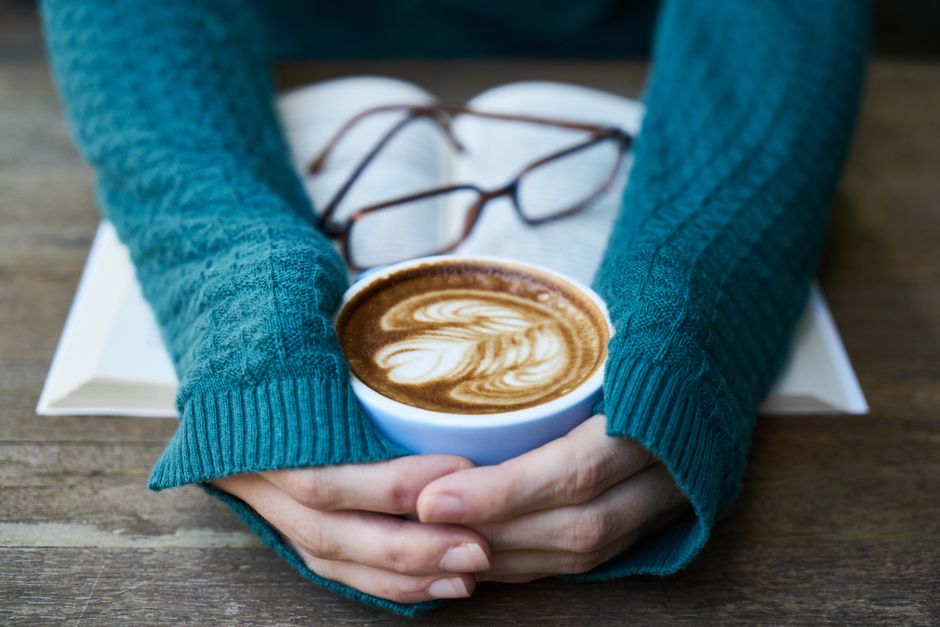
Yes, a cappuccino contains caffeine. The caffeine comes from espresso, and a standard cappuccino is built on one or two shots of it. That puts a typical cappuccino in the range of roughly 60 to 130 milligrams of caffeine, depending on how many shots it holds and how those shots are brewed. The milk and foam add calories and texture, but they do not remove or dilute the caffeine itself.
The confusion usually comes from size and strength. A cappuccino can taste milder than plain espresso because milk softens the flavor, yet it can still carry a meaningful caffeine load. What matters is the number of espresso shots inside, not the cup size or how strong the coffee tastes.
Does Cappuccino Have Caffeine?
A cappuccino is an espresso-based drink, so caffeine is built into it by definition. The traditional recipe is equal parts espresso, steamed milk, and milk foam. Remove the espresso and you no longer have a cappuccino.
The caffeine content depends almost entirely on the espresso. A single shot of espresso typically contains about 60 to 75 milligrams of caffeine. A double shot, which many cafes use as the default for larger cups, lands around 120 to 150 milligrams. Because recipes vary from shop to shop, the same word on a menu can mean different things in the cup.
One detail people often miss: milk does not reduce caffeine. It changes the taste and the mouthfeel, but the caffeine from the espresso is fully present. A cappuccino that tastes gentle can still deliver as much caffeine as a small cup of drip coffee.
How Much Caffeine Is in a Cappuccino?
A typical cappuccino falls somewhere between about 60 and 150 milligrams of caffeine. That range reflects the most common variable: whether the drink is made with one shot or two.
For context, here is how a cappuccino compares with other common coffee drinks. These are general ranges, because brewing and serving sizes vary widely.
- Single-shot cappuccino: roughly 60 to 75 milligrams
- Double-shot cappuccino: roughly 120 to 150 milligrams
- Espresso, single shot: roughly 60 to 75 milligrams
- Drip coffee, 8 ounces: commonly around 95 to 165 milligrams, depending on brew strength
- Latte: similar to a cappuccino, since both are espresso plus milk; caffeine depends on shot count
These figures are estimates, not fixed values. The same drink can vary between cafes and even between visits to the same cafe. If you want an exact number, ask how many shots go into the drink.
Why Does a Cappuccino Taste Milder Than Its Caffeine Content?
The milk is the reason. A cappuccino contains a substantial amount of steamed milk and foam, and that dairy coats the palate and softens the bitter, sharp notes of espresso. The result is a drink that feels gentler than a straight shot even when the caffeine is identical.
This is a genuine mismatch between taste and effect. Bitterness and intensity of flavor do not track reliably with caffeine content. A dark, strong-tasting coffee is not automatically higher in caffeine than a milder one. Roast level, in particular, is a poor guide: darker roasting does not reliably increase caffeine, and it can even reduce it slightly by mass as beans lose moisture during roasting.
So if a cappuccino tastes smooth and easy, do not read that as low caffeine. Read it as milk doing its job.
How Does a Cappuccino Compare to Other Coffee Drinks?
Cappuccino sits in the middle of the espresso-drink family for caffeine. What separates drinks is mostly the ratio of espresso to milk, and the number of shots.
A latte and a cappuccino often contain the same espresso base. The difference is the milk proportion and foam, not the caffeine. A flat white is similar. A macchiato, which is espresso with just a small amount of milk, is closer to straight espresso in both taste and caffeine per serving.
Drip coffee is a different story. Because it is brewed differently and served in larger volumes, an 8-ounce cup of drip coffee commonly contains more caffeine than a single-shot cappuccino. A large drip coffee can exceed a double-shot cappuccino. This surprises people who assume espresso drinks are always the stronger option. Per ounce, espresso is more concentrated, but people drink far more drip coffee per sitting.
How Much Caffeine Is Considered Safe?
For most healthy adults, moderate caffeine intake is generally considered safe. Widely cited guidance from health authorities places moderate intake for healthy adults at up to about 400 milligrams per day. That is a general benchmark, not a personal prescription, and individual tolerance varies.
At roughly 60 to 150 milligrams per cappuccino, one or two cappuccinos a day would keep most adults within that general range, assuming no other caffeine sources. Coffee is not the only source. Tea, soda, energy drinks, chocolate, and some supplements and medications all add to the total.
Some groups are advised to be more careful. People who are pregnant are generally advised to limit caffeine to about 200 milligrams per day or less, and this is a matter to discuss with a clinician rather than self-manage. People with certain heart conditions, anxiety disorders, or sleep problems may be advised to limit caffeine further. Caffeine sensitivity also varies widely between individuals for reasons that include genetics, medications, and habitual intake.
No clinical guidelines set a specific safe caffeine amount for young children, and caffeine is generally not recommended for children. For anyone with a medical condition or taking medication, the right amount is a conversation with a healthcare provider, not a number pulled from a general guideline.
Does the Type of Milk or Foam Change the Caffeine?
No. Whole milk, skim milk, oat milk, almond milk, and soy milk do not change the caffeine content. The caffeine is in the espresso, and swapping the milk leaves it untouched.
The same applies to foam. More foam or less foam changes texture and volume, not caffeine. What does change caffeine is anything added to the espresso itself, such as an extra shot, a larger shot, or a decaf substitution.
Decaf is worth a note. Decaf espresso is not caffeine-free. The decaffeination process removes most but not all caffeine, so a decaf cappuccino typically contains a small amount, usually a fraction of the regular version. People avoiding caffeine entirely for medical reasons should know that decaf is reduced, not zero.
Can You Make a Lower-Caffeine Cappuccino?
Yes, and the simplest method is to control the espresso. Asking for a single shot instead of a double cuts the caffeine roughly in half. A “half-caf” version, made with a mix of regular and decaf espresso, lands in between.
Cup size is a common source of confusion here. A larger cappuccino is not automatically higher in caffeine if it is made with the same number of shots and more milk. The milk adds volume and calories, not caffeine. If you want less caffeine, reduce the shots, not the cup.
Timing matters too. Caffeine is a stimulant, and for people sensitive to it, drinking caffeinated coffee later in the day can interfere with sleep. Caffeine’s effects on the body can persist for hours after the drink is finished, which is why some people set a personal cutoff time. That cutoff is individual, not a fixed rule.
Frequently Asked Questions
Does a cappuccino have more caffeine than coffee?
A single-shot cappuccino usually has less caffeine than an 8-ounce cup of drip coffee, while a double-shot cappuccino can be similar or slightly higher. It depends on the shot count and the brew strength of the drip coffee.
How much caffeine is in a Starbucks cappuccino?
It varies by size and number of shots, so check the specific drink on the menu rather than assuming. In general, espresso-based drinks scale with the number of shots, and larger sizes often use more.
Is a cappuccino stronger than a latte?
They usually contain the same espresso base, so caffeine is often similar. The cappuccino simply has more foam and less steamed milk, which changes texture and taste more than caffeine.
Does decaf cappuccino have caffeine?
Yes, a small amount. Decaffeination removes most but not all caffeine, so decaf is reduced rather than caffeine-free.
