
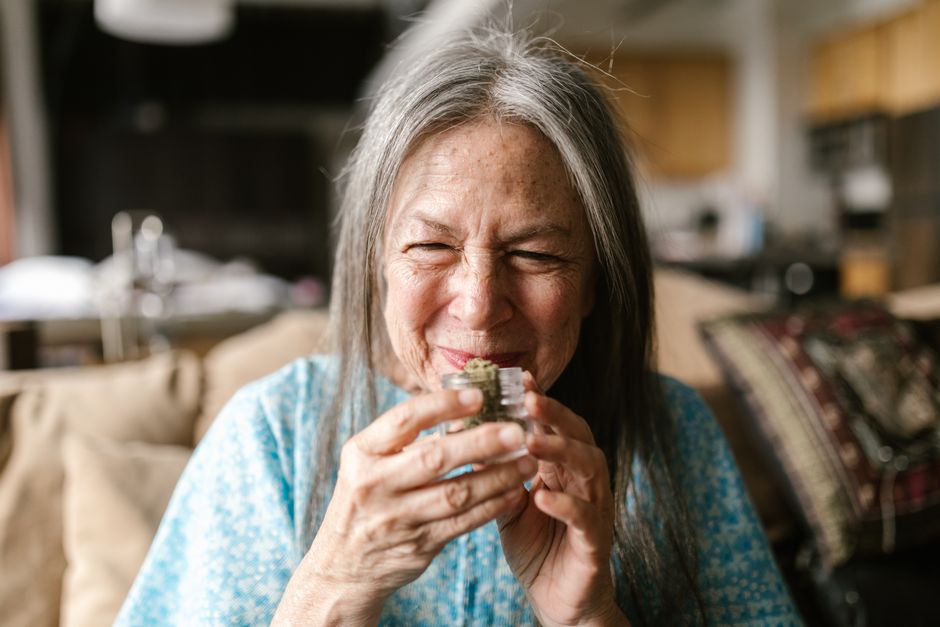
Yes, cannabutter smells. The odor is strong and unmistakable, often described as grassy, skunky, and intensely herbal. This smell comes from terpenes and other volatile compounds in cannabis that are released during the decarboxylation and infusion process. While you cannot eliminate the smell entirely, you can contain and significantly reduce it with the right cooking methods and kitchen ventilation.
Why Does Cannabutter Smell So Strong?
The smell of cannabis comes from aromatic compounds called terpenes. These are the same compounds that give many plants their distinctive scents, like pine, lemon, and lavender. Cannabis contains a complex mix of these terpenes, and when you heat the plant material, these compounds are released into the air.
Making cannabutter requires two main steps. First, you decarboxylate the cannabis, which means heating the dried flower to activate its compounds. Second, you infuse that activated cannabis into butter over low heat for several hours. Both steps release terpenes continuously. The longer the infusion lasts, the more time those compounds have to fill your kitchen.
Another reason the smell is so persistent is that terpenes are volatile. They evaporate easily at room temperature and even more quickly when heated. The odor can also cling to fabrics, upholstery, and porous surfaces. This is why the smell can linger for days after you finish cooking.
How Long Does the Smell Last in Your Kitchen?
The smell can last anywhere from a few hours to several days. It depends on how well you ventilate the room and what surfaces the odor has settled into. If you cook without any ventilation, the smell can soak into curtains, couches, and carpets and remain noticeable for a week or more.
Simple steps after cooking can shorten this time. Open windows, run fans, and wash any towels or cloths used during the process. Wiping down counters and hard surfaces with a vinegar solution can also help neutralize lingering odors. Baking soda left in an open bowl overnight can absorb some of the smell from the air.
Remember that the smell is not just in the air. The butter itself will always have a strong cannabis aroma. Even when stored properly in an airtight container in the refrigerator, opening that container will release the smell.
Does Cannabutter Smell When You Cook With It?
Yes, cooking with cannabutter also produces a noticeable smell. When you heat the butter again, the remaining terpenes and volatile compounds are released once more. The smell is usually less intense than during the initial infusion, but it is still clearly present.
Baking items like cookies or brownies with cannabutter will fill your kitchen with a cannabis aroma mixed with the baked goods smell. The cannabis scent can be somewhat masked by strong flavors like chocolate, peanut butter, or mint, but it will not be completely hidden. Anyone familiar with the scent of cannabis will likely recognize it.
Some people report that the smell from cooking with finished cannabutter is more “buttery” and less “skunky” than the smell of raw cannabis. This is because the most volatile terpenes were already released during the infusion. Still, plan for noticeable odors whenever you heat the butter.





What Is the Best Way to Decarboxylate Without Smelling Up the House?
Decarboxylation is often the smelliest part of the entire process. This step requires heating raw cannabis in an oven at a low temperature, typically around 240°F, for 30 to 40 minutes. The heat releases a large burst of terpenes all at once.
The most effective method to contain this smell is to use an oven-safe sealed container. Place the cannabis in a mason jar with the lid on, but not fully tightened. The jar needs a small vent for pressure to escape, but it will trap most of the aromatic compounds inside. This method is widely recommended in culinary cannabis communities because it significantly reduces the odor released into the kitchen.
An alternative is to use a dedicated kitchen appliance like an air fryer or a toaster oven placed near an open window or under a range hood. Some people decarboxylate outdoors using a grill or a portable butane burner. No method completely eliminates the smell, but using a sealed jar is the most practical indoor approach.
How Can You Minimize the Smell During Infusion?
The infusion step requires simmering butter and cannabis together for several hours. This is a long period of continuous odor release. The best approach is to combine several strategies at once.
Use a slow cooker or a dedicated double boiler in a room with strong ventilation. Place the cooker near an open window with a fan blowing outward. If you have a range hood that vents outside, cook on the stovetop beneath it. Recirculating range hoods that just blow air through a filter are much less effective.
Keep the heat low. Higher temperatures release more terpenes into the air faster. A gentle simmer is sufficient for infusion and will produce less odor than a rolling boil. Do not leave the mixture unattended. Stirring occasionally helps distribute heat evenly and prevents the butter from burning.
Some cooks add a small amount of water to the butter during infusion. This is a common technique to prevent the butter from scorching. It does not reduce the smell, but it does improve the quality of the final product.
Does Cannabutter Smell in the Fridge or Freezer?
Properly stored cannabutter should not smell in the refrigerator or freezer. The key is an airtight container. Glass jars with tight-sealing lids work best. Plastic containers can absorb the odor over time and may transfer it to other foods.
Wrap the butter in parchment paper or plastic wrap first, then place it inside the airtight container. This double-layer approach adds extra protection. Stored this way, the butter will not make your refrigerator smell. The smell only becomes noticeable when you open the container.
Cannabutter can last in the refrigerator for about two weeks. In the freezer, it can last for several months. Freezing does not affect the potency of the butter, but it can slightly change the texture. Thaw frozen butter in the refrigerator before using it in recipes.
Are There Odor-Free Methods to Make Cannabutter?
No method is completely odor-free, but some produce much less smell than others. The most discreet approach is to make cannabis-infused oil using a machine designed for this purpose. These devices are designed to heat and stir the mixture in a sealed chamber, which contains most of the odor.
Another option is to use concentrates like distillate or RSO instead of raw flower. These products have already been processed and do not require decarboxylation at home. You can simply melt them directly into warm butter. This method produces very little smell because you are not heating raw plant material. The resulting butter will still have a cannabis taste, but the cooking process is far less aromatic.
Some people use the water method, which involves simmering cannabis in water before adding butter. This does not reduce the smell of the cannabis itself. The odor comes from the plant material, and heating it in water still releases terpenes.
How Do You Remove the Smell From Your Kitchen After Cooking?
Start with ventilation. Open every window in the kitchen and nearby rooms. Place a box fan in a window facing outward to pull air out of the house. Run this for at least an hour after cooking is done.
Wash all fabric items that were exposed to the air. This includes dish towels, oven mitts, and aprons. If you have cloth curtains near the cooking area, wash them as well. Wipe down all hard surfaces with a solution of equal parts water and white vinegar. Vinegar neutralizes many odor-causing compounds.
Place bowls of white vinegar or activated charcoal around the kitchen overnight. Both absorb odors from the air. Baking soda also works, but it is less effective than vinegar or charcoal for strong, persistent smells. If the smell has settled into carpets or upholstery, sprinkle baking soda over the surface, let it sit for several hours, and vacuum it up.
Does Cooking Cannabis Outside Completely Eliminate the Smell?
Cooking outside does not eliminate the smell, but it moves it away from your living space. The odor will still be noticeable in your immediate outdoor area. Neighbors may be able to smell it, depending on wind direction and distance.
Using a grill or a portable camp stove outdoors is an effective way to keep the smell out of your house. The decarboxylation step can be done in a sealed jar on the grill. The infusion can be done in a slow cooker plugged in outside or on a camp stove. This method is popular among people who live in apartments or shared housing where indoor odors are a concern.
Be aware of local laws and community rules regarding cannabis. Even where cannabis is legal, the strong smell of cooking can draw attention. Some rental agreements or homeowners association rules prohibit cannabis use or the odor it creates.
Frequently Asked Questions
Does the smell of cannabutter mean it is strong?
No, the smell is not a reliable indicator of potency. The aroma comes from terpenes, while the psychoactive effects come from cannabinoids like THC. You cannot judge strength by smell alone.
Will cooking cannabutter set off a smoke detector?
It can, but usually only if you are decarboxylating at too high a temperature or if the butter begins to burn. Keep the heat low and use proper ventilation to reduce this risk.
How long does the smell stay on your clothes?
The smell can stay on clothes for several hours to a day after cooking. Washing your clothes with regular detergent should remove the odor completely.
Can you mask the smell of cannabutter with other foods?
Strong-smelling foods like garlic, onions, or fish can partially mask the odor while cooking. The cannabis smell will still be present, but it may be less obvious to others.
