
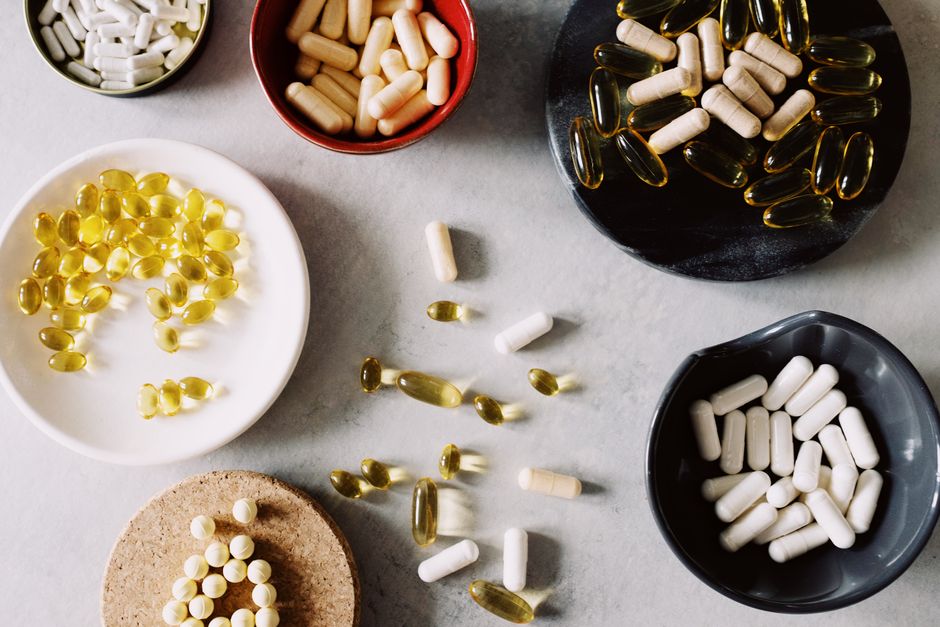
Many people wonder if calcium can change their hormone levels, especially estrogen. The short answer is that calcium does not directly increase estrogen in the body. Studies show that calcium plays a role in bone health and may interact with estrogen, but it does not stimulate the body to produce more of this hormone. Understanding how calcium and estrogen work together matters for anyone considering supplements or dietary changes.
Does Calcium Increase Estrogen What Studies Show
Research consistently shows that calcium does not raise estrogen levels. Calcium is a mineral that supports bone structure, nerve signaling, and muscle function. Estrogen is a steroid hormone produced mainly by the ovaries in women and in smaller amounts by other tissues. These are separate systems in the body.
Some studies have looked at whether calcium supplements affect estrogen metabolism. The evidence does not support the idea that calcium increases estrogen production. What research does show is that estrogen helps the body use calcium more effectively. When estrogen levels drop — such as during menopause — bone density often decreases because the body absorbs less calcium.
This relationship has led to confusion. People see that both calcium and estrogen affect bone health and assume one must increase the other. The science does not support that conclusion.
How Calcium and Estrogen Actually Interact
Estrogen helps regulate calcium absorption in the intestines. It also helps keep calcium in the bones. When estrogen levels are healthy, the body can maintain stronger bones. When estrogen declines, calcium absorption drops and bone loss can accelerate.
Calcium does not have the same effect on estrogen. Taking more calcium does not signal the ovaries to produce more estrogen. No major clinical trial has found that calcium supplements change circulating estrogen levels in premenopausal or postmenopausal women.
Some studies have examined whether high calcium intake affects estrogen metabolism in ways that might influence cancer risk. The findings are not conclusive. Some research suggests that dairy calcium may be associated with lower estrogen levels in certain populations, possibly because dairy products can affect hormone clearance. But these findings are preliminary and not consistent across studies.
What the Research Really Shows About Calcium and Hormones
Several large observational studies have tracked calcium intake and hormone levels in women. The results are clear: calcium intake does not predict estrogen levels. Women with high calcium intake do not have higher estrogen levels than women with low calcium intake.
One area of ongoing research involves how calcium might affect estrogen metabolism rather than production. The liver breaks down estrogen into different byproducts. Some of these byproducts are more active than others. There is limited evidence that calcium — especially from dairy sources — might influence which byproducts are produced. But this research is early, and the clinical significance is not established.
No study has shown that calcium supplements increase estrogen to a degree that would affect symptoms, fertility, or disease risk. Claims that calcium can naturally boost estrogen are not supported by clinical evidence.





Why Some People Believe Calcium Increases Estrogen
The belief likely comes from the strong connection between calcium and bone health, combined with the fact that estrogen protects bones. When doctors recommend calcium for bone health, some people assume it works by raising estrogen. It does not.
Another source of confusion involves plant estrogens. Soy and some other plant foods contain compounds called phytoestrogens. These can weakly mimic estrogen in the body. Calcium supplements do not contain phytoestrogens. They are pure minerals.
Some marketing for supplements combines calcium with herbs or other ingredients that may have estrogen-like effects. If a product seems to raise estrogen, the cause is likely another ingredient — not the calcium.
Calcium Needs by Life Stage
Calcium requirements change across life stages. The recommended dietary allowance for calcium is based on bone health, not hormone effects.
| Life Stage | Recommended Daily Calcium |
|---|---|
| Adult women 19-50 | 1,000 mg |
| Adult women 51+ | 1,200 mg |
| Adult men 19-70 | 1,000 mg |
| Adult men 71+ | 1,200 mg |
These figures come from established nutritional guidelines. Meeting these targets supports bone health. Exceeding them does not provide additional bone benefits and may carry risks.
Taking more than 2,000 mg of calcium per day from supplements can increase the risk of kidney stones. Some studies have also linked very high calcium supplement intake with cardiovascular concerns, though the evidence is mixed. Getting calcium from food is generally preferred because food sources also provide other nutrients that support absorption.
Food Sources of Calcium
Dairy products are the most concentrated sources of calcium in the typical American diet. Milk, yogurt, and cheese provide significant amounts per serving. Many plant foods also contain calcium, including:
- Leafy greens like kale and collard greens
- Broccoli
- Fortified plant milks
- Tofu made with calcium sulfate
- Almonds
- Sardines with bones
Calcium absorption varies by food source. The body absorbs calcium from dairy and fortified foods well. Some plant sources contain compounds called oxalates that can reduce calcium absorption. Spinach is high in calcium but also high in oxalates, meaning the body absorbs less of its calcium than from dairy.
Vitamin D is essential for calcium absorption. Without adequate vitamin D, the body cannot use calcium effectively regardless of how much is consumed. Many people have low vitamin D levels, especially during winter months or if they spend limited time outdoors.
When Calcium Supplements Make Sense
Most people can meet their calcium needs through diet alone. Supplements are appropriate for people who cannot get enough calcium from food. This includes people with lactose intolerance, those following vegan diets, and people with certain digestive conditions that affect nutrient absorption.
Calcium supplements come in two main forms: calcium carbonate and calcium citrate. Calcium carbonate is more common and less expensive. It is best absorbed when taken with food. Calcium citrate is absorbed well with or without food and may be better for older adults who produce less stomach acid.
If you take calcium supplements, it is best to spread the dose throughout the day. The body absorbs calcium more efficiently in amounts of 500 mg or less at one time. Taking a large dose all at once reduces absorption efficiency.
The Role of Estrogen in Bone Health
Estrogen protects bones in several ways. It slows the activity of cells that break down bone tissue. It also helps the body absorb calcium from food. When estrogen levels fall, bone breakdown outpaces bone formation.
This is why menopause is a critical time for bone health. Women can lose up to 20 percent of their bone density in the five to seven years after menopause. This rapid loss increases the risk of osteoporosis and fractures.
Calcium and vitamin D are important during this time, but they do not replace estrogen. For women who need medical treatment for bone loss, doctors may recommend medications that affect bone remodeling. Some of these treatments work on estrogen pathways, but calcium supplements are not a substitute for them.
Common Myths About Calcium and Hormones
Several myths circulate about calcium and hormones. One is that calcium supplements can relieve menopause symptoms like hot flashes. No clinical evidence supports this. Hot flashes are related to changes in thermoregulation, not calcium levels.
Another myth is that calcium can prevent or treat conditions related to low estrogen. Calcium supports bone health, which is important when estrogen declines. But it does not address other effects of low estrogen, such as vaginal dryness, mood changes, or sleep disturbances.
Some people believe that taking calcium with vitamin D can boost estrogen naturally. This is not accurate. Vitamin D helps the body absorb calcium. Neither nutrient increases estrogen production.
What to Do If You Are Concerned About Estrogen Levels
If you have symptoms that might be related to low estrogen — such as irregular periods, hot flashes, or night sweats — talk to a healthcare provider. Blood tests can measure estrogen levels if needed. Treatment options depend on the cause and your individual health history.
For bone health, focus on getting enough calcium and vitamin D, doing weight-bearing exercise, and avoiding smoking and excessive alcohol. These steps support bone density regardless of hormone status.
Calcium is an important mineral with clear benefits for bone health. Raising estrogen levels is not one of them. If a supplement claims to increase estrogen through calcium, that claim is not supported by research.
Frequently Asked Questions
Can calcium supplements raise estrogen levels?
No. Studies show that calcium does not increase estrogen production in the body. Calcium supports bone health but does not affect hormone levels.
Does calcium help with low estrogen symptoms?
Calcium can support bone health when estrogen levels are low, but it does not relieve symptoms like hot flashes or night sweats. Those symptoms require different treatment approaches.
Is it safe to take calcium with hormone therapy?
Yes, calcium is generally safe to take alongside hormone therapy. Many doctors recommend calcium and vitamin D for bone health during menopause, but discuss all supplements with your healthcare provider.
What is the best way to get calcium for bone health?
Food sources are generally best because they provide calcium along with other nutrients that support absorption. Dairy, fortified plant milks, and leafy greens are good options. Supplements can help if you cannot meet your needs through diet.
