
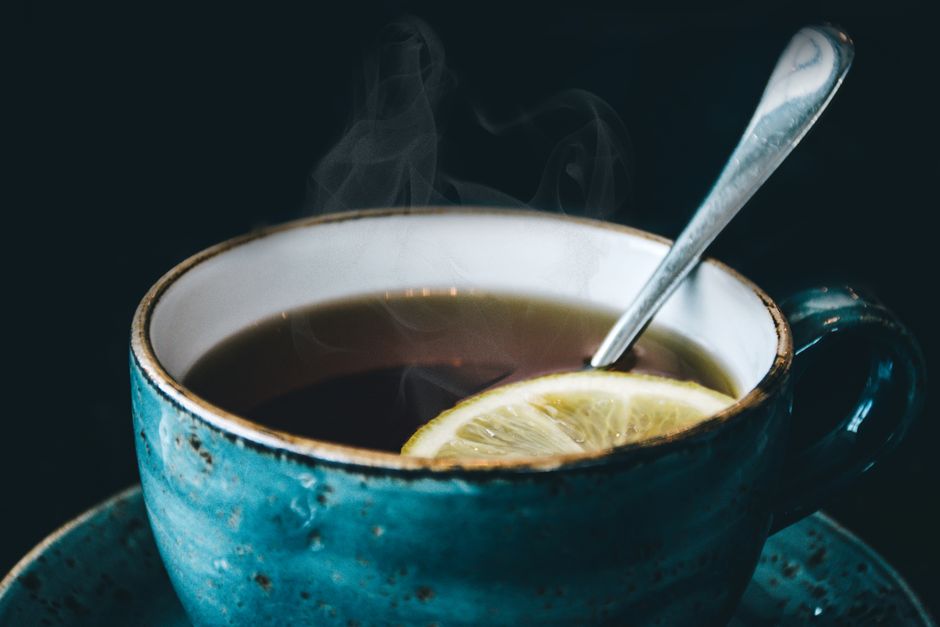
If you drink coffee before a cortisol blood test, the caffeine can push your cortisol level up — at least temporarily. That matters because cortisol tests are often used to check for conditions where the hormone is already too high or too low, and a caffeine-driven spike could muddy the reading. Whether it actually changes your result depends on how much you drink, how close to the draw you drink it, and how your body responds.
Here is the short version. Caffeine is a stimulant that prompts the body to release stress hormones, including cortisol. A blood draw taken shortly after a strong coffee can capture that rise. Most labs and clinicians advise avoiding caffeine before a morning cortisol test, though the specific instructions vary by clinic. The safest move is to follow whatever your lab tells you and, when in doubt, skip the coffee until after the needle.
How does caffeine raise cortisol?
Caffeine triggers the body’s stress response. It does this partly by blocking adenosine, a molecule that promotes calm and sleepiness. With adenosine blocked, the nervous system shifts toward a more alert, “fight or flight” state. The adrenal glands respond by releasing cortisol, the body’s main stress hormone.
This is a real physiological effect, not a myth. Studies have measured cortisol rising after caffeine intake in both rested and sleep-deprived people. The size of the rise varies a lot from person to person. Some people show a clear bump. Others show very little. Habitual coffee drinkers often have a smaller response than people who rarely consume caffeine, because the body adapts somewhat with regular exposure.
The effect tends to be strongest in the first hour or two after drinking caffeine. That timing is the practical problem. Many cortisol blood tests are drawn in the morning, which is exactly when most people have their coffee.
Does caffeine affect your cortisol blood test result?
Yes, it can — which is why timing and preparation matter. A cortisol blood test measures the amount of the hormone in your bloodstream at one moment. If caffeine has recently raised your cortisol, that single snapshot can read higher than your baseline.
A few things shape how much this matters:
- How much you drank. A large, strong coffee is more likely to move the needle than a small sip.
- How recently you drank it. The closer to the blood draw, the more likely caffeine is still active in your system.
- Your usual habits. Regular caffeine users tend to have a blunted cortisol response compared with occasional users.
- The time of day. Cortisol naturally peaks in the early morning and falls through the day, so a morning test already captures a high point.
One detail worth knowing: cortisol isn’t steady. It follows a daily rhythm, highest shortly after waking and lowest in the evening. That natural swing is why clinicians pay attention to when a sample is collected. Caffeine adds another variable on top of an already shifting number.
Should you avoid coffee before a cortisol blood test?
Most clinics advise skipping caffeine before a cortisol blood test, and that is reasonable guidance. But preparation instructions are not identical everywhere. Some labs ask for fasting, some specify a time window, and some say nothing about caffeine at all.
The reliable approach is to follow the instructions your own lab or clinician gives you. Those instructions are written for the specific test being ordered and how it will be interpreted. If you were not told anything and you want a clean result, avoiding caffeine for the morning of the draw is a sensible default — but confirm it with your provider rather than assuming.
Do not skip a prescribed medication or change your routine on your own because of something you read online. If you take a medicine that affects cortisol or blood sugar, ask your clinician how to prepare.
What else can affect a cortisol result?
Caffeine is only one of many inputs. Cortisol responds to a wide range of everyday factors, and a single high or low reading rarely tells the whole story on its own.
Things that can influence a cortisol measurement include:
- Time of day. Cortisol is naturally highest in the morning.
- Stress. Emotional or physical stress — including the stress of a medical appointment — can raise it.
- Sleep. Poor sleep and shift work can disturb the normal daily pattern.
- Illness and infection. Being sick can change cortisol levels.
- Medications. Some drugs, including certain steroids and hormonal treatments, affect cortisol directly.
- Pregnancy. Pregnancy raises cortisol-binding proteins and changes measured levels.
- Alcohol and heavy exercise. Both can shift results depending on timing.
Because so many factors interact, clinicians rarely diagnose anything from one blood draw alone. A borderline or unexpected result is often repeated, or checked with a different type of test, before any conclusion is drawn.
How is cortisol usually tested?
Cortisol can be measured in more than one way, and the method affects what caffeine and other factors mean for your result. A standard blood test takes a single sample, usually in the morning. Because cortisol changes through the day, a single morning value is interpreted against the expected morning range.
Other approaches include a late-night salivary sample, which captures the low point of the daily rhythm, and a 24-hour urine collection, which measures total output over a full day. Each has strengths and limits. A one-time caffeine spike is more likely to distort a single blood draw than a test that averages levels over many hours.
This is part of why test instructions differ. A test designed to catch an abnormal daily pattern may be more sensitive to preparation than one measuring a broad average. Follow the guidance for the specific test you are having.
Does decaf coffee affect cortisol?
Decaf has far less caffeine, so it is much less likely to trigger a cortisol rise. That said, decaffeinated coffee is not caffeine-free — it contains small residual amounts. For most people, a cup of decaf is unlikely to meaningfully change a cortisol reading, but it is not a perfect zero.
If your lab asks you to fast or avoid coffee entirely before the test, that instruction usually applies to decaf too. When the goal is a clean baseline, the simplest choice is plain water until after the draw.
The bottom line on caffeine and cortisol testing
Caffeine can raise cortisol, and a blood test taken soon after coffee may read higher than your true baseline. The effect is real but variable — bigger for some people, smaller for regular coffee drinkers, and strongest in the hour or two after drinking it.
The practical takeaway is simple. Follow your lab’s preparation instructions. If you were not given any and you want the cleanest possible result, hold off on coffee until after the blood draw and confirm the plan with your clinician. A single test is a snapshot, and getting the conditions right helps that snapshot reflect what is actually going on.
Frequently Asked Questions
Does caffeine affect your cortisol blood test?
Yes, caffeine can raise cortisol temporarily, so a blood draw taken soon after coffee may read higher than your baseline. Following your lab’s preparation instructions helps keep the result clean.
How long before a cortisol blood test should I stop drinking coffee?
There is no single universal rule, so follow your lab’s instructions. If none are given, avoiding caffeine for the morning of the draw is a reasonable default to confirm with your clinician.
Can I drink water before a cortisol blood test?
Plain water is generally fine unless your lab tells you otherwise. It is coffee, tea, energy drinks, and other caffeine sources that are the usual concern.
Does decaf coffee raise cortisol?
Decaf contains little caffeine, so it is far less likely to raise cortisol than regular coffee. It is not caffeine-free, though, so if your lab says to avoid coffee entirely, that includes decaf.
