
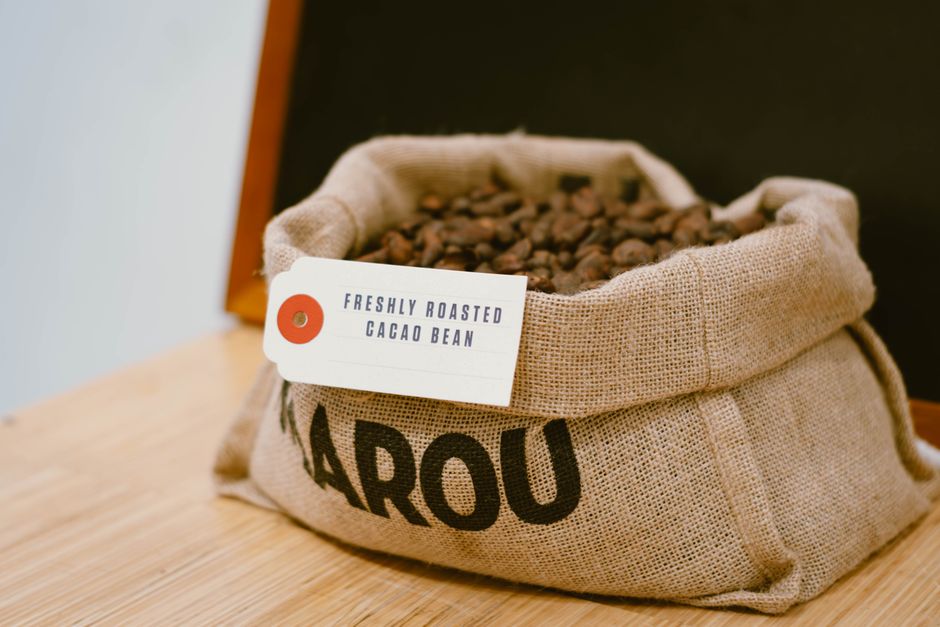
Yes, cacao contains caffeine, but in much smaller amounts than coffee, tea, or chocolate bars made from it. A typical serving of raw cacao nibs or unsweetened cocoa powder delivers only a fraction of the caffeine you would get from a cup of coffee. The exact amount depends on the form of cacao and how much you consume. For most people, the caffeine in cacao is not enough to cause the jitters or sleep disruption associated with coffee, but it is still a real stimulant worth accounting for in your daily intake.
Does Cacao Contain Caffeine?
Cacao beans naturally contain caffeine. The bean is the seed of the cacao tree, and like coffee beans, tea leaves, and guarana, it produces caffeine as part of its natural chemistry. However, cacao is not a high-caffeine plant. It contains far less caffeine than coffee by weight, and it also contains theobromine, a related compound that has mild stimulant effects of its own.
The confusion often comes from the difference between cacao and chocolate. Chocolate products are made from cacao, but they also contain sugar, fat, and other ingredients that dilute the caffeine content. A dark chocolate bar with 70% cacao will have more caffeine than milk chocolate, but both will have less caffeine than the raw cacao powder used to make them.
How Much Caffeine Is in Cacao?
The caffeine content of cacao varies by product. Raw cacao nibs and unsweetened cacao powder are the most concentrated forms. A typical one-tablespoon serving of cacao powder contains roughly 12 milligrams of caffeine. For comparison, an eight-ounce cup of brewed coffee contains about 95 milligrams of caffeine. That means you would need to consume roughly eight tablespoons of pure cacao powder to match one cup of coffee.
Here is a practical comparison of common sources:
- Unsweetened cacao powder (1 tablespoon): about 12 mg caffeine
- Cacao nibs (1 ounce): about 12 mg caffeine
- Dark chocolate (70-85% cacao, 1 ounce): about 23 mg caffeine
- Milk chocolate (1 ounce): about 6 mg caffeine
- Brewed coffee (8 ounces): about 95 mg caffeine
These numbers are averages. Actual caffeine content can vary based on the cacao variety, growing conditions, and processing methods. The general pattern holds: cacao is a low-caffeine food, and chocolate products made from it are even lower per serving because of added ingredients.
What Is the Difference Between Caffeine and Theobromine?
Cacao contains two stimulant compounds: caffeine and theobromine. Theobromine is chemically similar to caffeine but has a different effect on the body. It is a milder stimulant that primarily affects the cardiovascular system and smooth muscle, rather than the central nervous system. This is why eating dark chocolate does not feel like drinking coffee, even though both contain methylxanthines, the class of compounds to which caffeine and theobromine belong.
Theobromine also has a longer half-life than caffeine, meaning it stays in your system longer. However, its effects are much weaker. Some research suggests theobromine can contribute to a mild mood lift and increased alertness, but these effects are subtle compared to caffeine. The combination of low caffeine and moderate theobromine is part of why cacao is often described as a gentle energy source rather than a strong stimulant.
Does Cacao Keep You Awake at Night?
For most people, the caffeine in cacao is too low to cause sleep problems, especially if consumed earlier in the day. A tablespoon of cacao powder contains roughly the same caffeine as a small piece of dark chocolate. Unless you are consuming large amounts close to bedtime, the stimulant effect is unlikely to disrupt sleep.
That said, individual sensitivity matters. Some people are slow metabolizers of caffeine, meaning it stays active in their bodies longer. For these individuals, even modest amounts of caffeine can interfere with falling asleep or sleep quality. If you are sensitive to caffeine, it is reasonable to avoid cacao products in the late afternoon and evening. The theobromine in cacao may also have mild stimulant effects that are not fully accounted for by caffeine content alone.
Is Cacao a Good Alternative to Coffee?
Cacao can be a reasonable alternative for people who want a mild stimulant effect without the intensity of coffee. A warm cup of cacao made from unsweetened powder provides a small amount of caffeine, some theobromine, and a rich flavor that many find satisfying. It will not give you the same alertness boost as coffee, and it should not be relied on for a strong energy lift.
If you are using cacao as a coffee substitute, be aware of what you are adding to it. Many commercial hot chocolate mixes contain added sugar and little actual cacao. To get the mild stimulant effects, you need a product made from pure cacao, not a sweetened drink mix. Unsweetened cacao powder or nibs are the most reliable options.
Does Cacao Powder Have Caffeine?
Yes, cacao powder contains caffeine. The amount depends on whether it is natural or Dutch-processed. Natural cacao powder retains more of the bean’s original compounds, including caffeine. Dutch-processed cacao is treated with an alkalizing agent to reduce acidity, which also lowers the caffeine content slightly. The difference is small, and both forms contain only modest amounts of caffeine.
One important clarification: cacao and cocoa are not the same thing in commercial labeling. Cacao typically refers to products made from raw, less-processed beans, such as cacao nibs and raw cacao powder. Cocoa usually refers to beans that have been roasted at higher temperatures. Both contain caffeine, and the difference in caffeine content between them is minimal. The bigger factor is serving size and whether you are consuming pure powder or a chocolate product with added ingredients.
Who Should Limit Caffeine from Cacao?
Most healthy adults can consume cacao without concern. The caffeine content is low, and the other compounds in cacao, including flavonoids, have been studied for their potential cardiovascular benefits. However, certain groups should be more cautious.
Pregnant women are often advised to limit caffeine intake to 200 milligrams per day. A serving of cacao contains well under that amount, but it still counts toward the total. If you are pregnant and also drinking coffee or tea, the caffeine from cacao adds up. There are no established guidelines specific to cacao consumption during pregnancy, so the general caffeine limits apply.
People with anxiety disorders, heart rhythm issues, or caffeine sensitivity may also want to monitor their intake. The stimulant effects of caffeine, even at low doses, can exacerbate symptoms in susceptible individuals. If you notice palpitations, anxiety, or sleep disruption after eating chocolate or drinking cacao, it may be worth reducing your intake.
Is the Caffeine in Cacao a Problem?
For most people, no. The caffeine in cacao is modest and unlikely to cause the negative effects associated with high caffeine intake, such as anxiety, rapid heartbeat, or insomnia. Theobromine, the more abundant stimulant in cacao, is even milder. Research has not identified significant health risks from the caffeine content of cacao when consumed as part of a normal diet.
The evidence is different for chocolate products, which can contain added caffeine from other sources. Some energy drinks and chocolate-flavored products combine cacao with added caffeine, which can push the total caffeine content much higher. Always read labels if you are monitoring your caffeine intake. Pure cacao is low in caffeine, but that does not mean every cacao-flavored product is.
Frequently Asked Questions
Does cacao contain more caffeine than coffee?
No. Cacao contains far less caffeine than coffee by weight and per serving. A tablespoon of cacao powder has about 12 milligrams of caffeine, while an eight-ounce cup of coffee has about 95 milligrams.
Can I eat cacao at night?
For most people, the caffeine in cacao is too low to disrupt sleep, especially if eaten a few hours before bed. If you are sensitive to caffeine or have sleep issues, it is safer to avoid cacao in the evening.
Is cacao caffeine-free?
No. Cacao naturally contains caffeine, though in small amounts. It also contains theobromine, a related mild stimulant that is more abundant in cacao than caffeine.
Does dark chocolate have more caffeine than cacao powder?
Per serving, dark chocolate can have slightly more caffeine because it is more concentrated. One ounce of 70-85% dark chocolate has about 23 milligrams of caffeine, while one tablespoon of cacao powder has about 12 milligrams.
