
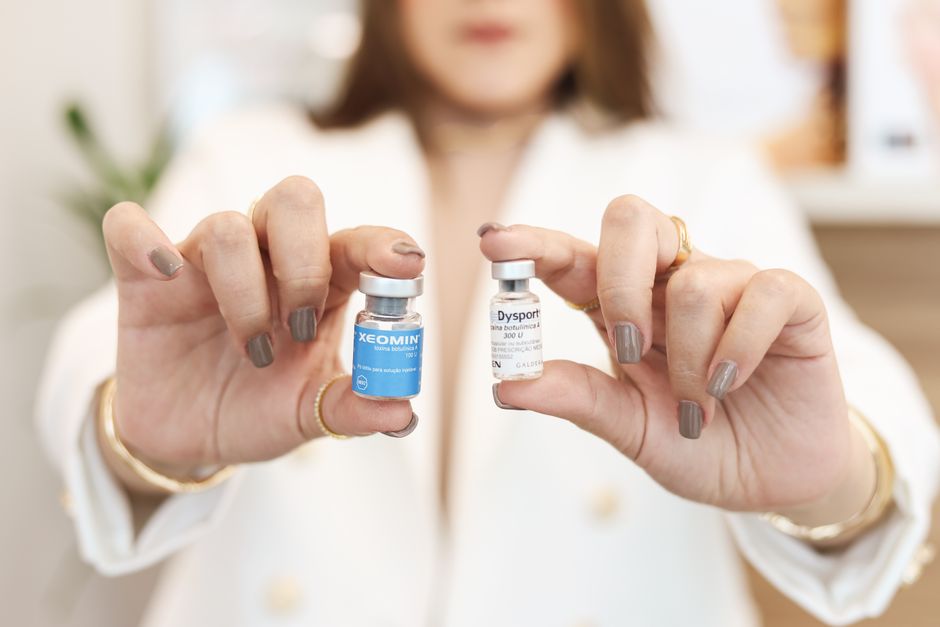
Botox reduces the appearance of some wrinkles — specifically dynamic wrinkles caused by repeated muscle movement, like frown lines between the eyebrows and crow’s feet around the eyes. It does not remove wrinkles caused by sun damage, gravity, or the natural loss of collagen and elastin over time. Understanding which type of line you have is the key to knowing whether Botox will help.
Does Botox Get Rid Of Wrinkles?
Botox works on dynamic wrinkles. These are lines created by muscle contractions — the horizontal lines across your forehead when you raise your eyebrows, the vertical “11” lines between your brows when you frown, and the fan-shaped lines at the outer corners of your eyes when you squint or smile.
When a small amount of botulinum toxin type A is injected into a specific facial muscle, it blocks the release of acetylcholine, the chemical signal that tells that muscle to contract. The muscle relaxes. When the muscle can no longer pull on the skin above it, the skin flattens and the line softens or disappears.
What Botox cannot do is rebuild skin. Static wrinkles — the ones visible even when your face is completely at rest — are usually the result of years of sun exposure, smoking, and the gradual breakdown of collagen and elastin in the dermis. Botox does not add collagen. It does not thicken skin. It does not reverse photodamage. Those lines may soften slightly if the muscle underneath them was contributing to their depth, but they will not vanish.
What Is the Difference Between Dynamic and Static Wrinkles?
The distinction matters because it determines whether Botox is the right approach at all.
Dynamic wrinkles appear only or mainly when you move your face. They are etched by repeated muscle activity over years. Crow’s feet, forehead lines, and glabellar lines (the vertical frown lines) are classic examples.
Static wrinkles are visible when your face is at rest. They include deep nasolabial folds (the lines running from the nose to the corners of the mouth), marionette lines (running downward from the mouth), and fine crepey texture on the cheeks. These come from volume loss, fat pad descent, bone changes, and dermal thinning — not from muscle contraction.
There is overlap. A dynamic line that has been present for decades can eventually become static. Once that happens, relaxing the muscle may reduce the line’s depth somewhat, but it will not erase it. This is why some people are disappointed with Botox results — they expected it to treat a type of wrinkle it was never designed to address.
How Long Does Botox Last for Wrinkles?
Results typically last three to four months for most people. The exact duration varies based on the treatment area, the dose used, your individual muscle anatomy, and how quickly your body metabolizes the toxin.
Some people report effects lasting closer to three months; others get four or occasionally five. There is no reliable way to predict exactly how long it will last for a specific person without trying it. First-time users sometimes find that results fade faster than subsequent treatments, though this is not universal.
When the effect wears off, the muscle gradually returns to its previous activity level. The wrinkle typically returns. Botox is not a permanent fix for dynamic lines — it is a temporary interruption of the muscle signal.
Does Botox Prevent Wrinkles From Getting Worse?
There is a reasonable physiological argument here. If a muscle is repeatedly relaxed over time, it may not etch the same line as deeply. Some dermatologists note that people who start Botox early and maintain it consistently tend to develop less pronounced dynamic lines over the years compared to those who do not.
That said, the evidence for true prevention is not as strong as the marketing suggests. What we know for certain is that Botox temporarily softens existing dynamic lines. Whether long-term use actually prevents new static wrinkles from forming is a question that has not been definitively answered by large controlled trials.
The more established prevention strategies for skin aging remain sun protection, not smoking, and avoiding repetitive UV exposure. Those have decades of evidence behind them. Botox does not replace them.
What About Other Types of Wrinkles — Can Botox Help at All?
Botox has some limited off-label uses for certain lower-face concerns, but the results are more variable and the evidence is thinner.
For example, some clinicians inject small amounts into the depressor muscles around the mouth to slightly lift the corners. Others use it for a “lip flip” — relaxing the orbicularis oris muscle to make the upper lip appear fuller. These applications are not approved by the FDA and results vary widely. They also carry a higher risk of unwanted effects like asymmetry or difficulty with certain mouth movements.
For volume loss and deep static folds, hyaluronic acid fillers are the more appropriate tool. Fillers add volume; Botox reduces muscle activity. They address different problems. A combination approach is common in clinical practice, but each product does its own job.
What Are the Risks and Limitations?
Botox is generally well tolerated when administered by a qualified provider, but it is not risk-free.
- Bruising and swelling at injection sites are the most common side effects. They usually resolve within a few days.
- Headache can occur in the first day or two after treatment.
- Eyelid drooping (ptosis) is uncommon but possible, especially with glabellar injections. It happens when the toxin diffuses to a nearby muscle that controls the eyelid. It typically resolves on its own as the Botox wears off, but it can last several weeks.
- Asymmetry can occur if the dose or placement is uneven. This is usually correctable at a follow-up visit.
- Unwanted muscle weakness — for example, difficulty raising the eyebrows or a temporary change in smile — can happen if the toxin spreads beyond the intended target.
These risks are higher with inexperienced injectors, higher doses, or treating areas with complex anatomy. The FDA has issued warnings about the spread of toxin effects to distant parts of the body, though this is rare with cosmetic doses.
Botox is not recommended during pregnancy or breastfeeding. No clinical guidelines currently establish safety for those populations. If you are pregnant, planning to become pregnant, or nursing, discuss alternatives with your doctor.
How Does Botox Compare to Other Wrinkle Treatments?
Different treatments target different causes. Here is a general comparison:
| Treatment | Best For | How It Works | Duration |
|---|---|---|---|
| Botulinum toxin (Botox) | Dynamic wrinkles | Relaxes muscles that pull on skin | 3–4 months |
| Hyaluronic acid fillers | Static wrinkles, volume loss | Adds volume beneath the skin | 6–18 months depending on product and area |
| Retinoids (topical) | Fine lines, texture, collagen building | Increases cell turnover and collagen production over time | Ongoing use required |
| Laser resurfacing | Sun damage, texture, static lines | Removes outer skin layers to trigger remodeling | Results can last years, but recovery takes time |
No single treatment does everything. Botox is not a substitute for fillers, lasers, or good sun protection. It is one tool among several, and it works best when matched to the right type of wrinkle.
What Should You Expect From a Botox Appointment?
A typical cosmetic Botox session takes about 10 to 15 minutes. Your provider will assess your facial anatomy at rest and in motion, mark injection points, and administer a series of small injections using a fine needle. Most people describe the sensation as a quick pinch.
You will not see results immediately. It usually takes 3 to 7 days for the effects to begin, with full results appearing at around 10 to 14 days. If you have a follow-up appointment, it is typically scheduled at the two-week mark to assess whether any adjustments are needed.
After treatment, you can return to most normal activities right away. Some providers suggest avoiding strenuous exercise, lying flat, or rubbing the treated area for a few hours, though the evidence for these precautions is not strong. They are widely recommended in clinical practice as a reasonable precaution rather than a proven necessity.
Does Botox Work for Everyone?
No. Response varies. Some people have antibodies to botulinum toxin, which can make treatment less effective over time. This is more common in people who receive frequent, high-dose injections. Others simply have muscle patterns that respond less predictably.
If you have had Botox before and noticed it wearing off faster than expected, or not working at all, that is worth discussing with your provider. A different formulation or injection strategy may help. But there is no guarantee.
Age also plays a role. Younger skin tends to respond more dramatically because there is less static damage underneath. Older skin may still benefit, but the dynamic lines may not fully disappear if they have already become etched into the skin at rest.
Frequently Asked Questions
Does Botox get rid of wrinkles permanently?
No. Botox temporarily relaxes the muscles that cause dynamic wrinkles, and results typically last three to four months. The wrinkles return as the muscle activity resumes.
Can Botox remove deep wrinkles?
Botox does not remove deep static wrinkles caused by volume loss or sun damage. It may soften them slightly if muscle movement is contributing to their depth, but fillers or other treatments are usually needed for significant improvement.
What age should you start Botox for wrinkles?
There is no established age guideline for starting Botox. Some clinicians recommend starting in the late 20s or early 30s for prevention, but this is based on clinical opinion rather than strong trial evidence.
Is Botox safe for wrinkles?
Botox has a long safety record for cosmetic use when administered by a qualified provider at standard doses. Common side effects include bruising, headache, and rarely eyelid drooping. It is not recommended during pregnancy or breastfeeding.
