
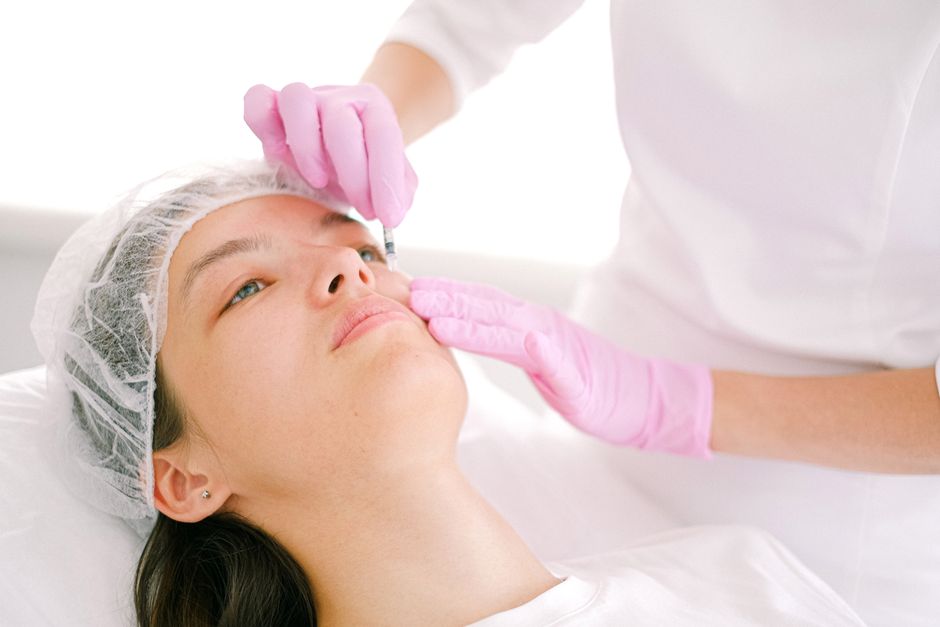
Botox does not cause ALS. Amyotrophic lateral sclerosis is a progressive neurological disease with no known connection to botulinum toxin injections. The scientific evidence does not support any link between Botox and the development of ALS, and no major medical organization has identified Botox as a risk factor for the disease.
What Is ALS and What Causes It?
Amyotrophic lateral sclerosis, commonly called ALS or Lou Gehrig’s disease, attacks nerve cells in the brain and spinal cord. These motor neurons control voluntary muscle movement. When they die, the brain loses the ability to send signals to muscles. Muscles weaken, twitch, and eventually waste away.
The exact cause of ALS remains unknown for most cases. About 90 percent of ALS cases are sporadic, meaning they occur without any family history. The remaining 10 percent are familial, linked to specific genetic mutations. Researchers have identified several genes associated with the disease, including C9orf72, SOD1, TARDBP, and FUS.
ALS is not caused by a single event or exposure. It likely develops from a combination of genetic susceptibility and environmental factors that researchers do not fully understand. Some studies have explored possible links to military service, head trauma, and certain chemicals, but no definitive cause has been established.
How Botox Works in the Body
Botulinum toxin type A, sold under the brand name Botox, is a purified protein produced by the bacterium Clostridium botulinum. When injected in small doses, it blocks the release of acetylcholine at the junction where nerves meet muscles. This temporarily prevents muscle contraction.
The effect is localized. Botox does not travel through the bloodstream to distant parts of the body in meaningful amounts. It stays near the injection site and wears off over three to six months as new nerve endings form. The U.S. Food and Drug Administration has approved Botox for conditions like chronic migraines, muscle spasticity, cervical dystonia, and cosmetic wrinkle reduction.
Botox acts at the neuromuscular junction. ALS destroys motor neurons in the brain and spinal cord. These are entirely different locations and mechanisms. There is no biological pathway by which Botox could trigger the death of motor neurons.
Where Did the Botox-ALS Claim Come From?
The idea that Botox could cause ALS appears to stem from case reports and online speculation, not from scientific studies. A case report describes a single patient. It cannot prove causation. It only documents what happened to one person.
Some case reports have described patients who developed ALS after receiving Botox injections. But these reports do not establish a connection. ALS affects roughly 5,000 new people in the United States each year. Millions of Botox injections are administered annually. By chance alone, some people who receive Botox will later develop ALS. This is coincidence, not causation.
No epidemiological study has found an increased rate of ALS among people who receive Botox. No large-scale research has linked botulinum toxin exposure to motor neuron disease. The claim circulates mainly through social media and anecdotal accounts.





What the Research Actually Shows
Published research on Botox and ALS is extremely limited. The studies that exist focus on using Botox to treat symptoms in people who already have ALS, not on whether Botox causes the disease.
Some clinicians have explored Botox as a treatment for sialorrhea, or excessive drooling, which is a common symptom of ALS. This research assumes Botox is safe to use in ALS patients, not that it causes the condition. These studies have not reported that Botox worsens the disease or accelerates its progression.
Research published in neurology journals has examined the safety profile of Botox across millions of injections. The documented side effects include pain at the injection site, headache, flu-like symptoms, and temporary weakness in nearby muscles. ALS is not listed among the reported adverse effects in these large safety reviews.
The absence of evidence is meaningful here. If Botox caused ALS, researchers would expect to see clusters of cases or elevated rates among the millions of people who receive injections. No such pattern exists.
Distinguishing ALS from Botox Side Effects
Some symptoms of ALS overlap with possible Botox side effects, which may contribute to confusion. Both can involve muscle weakness, difficulty swallowing, and drooping eyelids.
Botox side effects are temporary and localized. They appear within days of injection and resolve as the toxin wears off. ALS symptoms are progressive and permanent. They spread to multiple parts of the body over time and do not improve.
If you experience unusual muscle weakness after Botox, contact your doctor. But understand that temporary weakness near the injection site is a known, expected side effect. It is not a sign of ALS.
ALS typically begins with subtle symptoms like slurred speech, trouble gripping objects, or weakness in one limb. These symptoms progress over months. They do not appear suddenly after a cosmetic procedure.
Why the Confusion Persists
Misinformation spreads quickly online, especially when it involves fear and a popular treatment. Botox is one of the most common cosmetic procedures in the United States. Millions of people receive injections each year. Any claim linking it to a devastating disease will attract attention.
Case reports of individual patients can look convincing. But medicine does not rely on single cases to establish causation. It relies on systematic research that controls for other factors and examines large populations over time. That research does not exist for a Botox-ALS link because there is no signal to investigate.
The logic of causation requires more than temporal order. Just because one event follows another does not mean the first caused the second. This is a basic principle of epidemiology. People who receive Botox will develop various diseases over their lifetimes at the same rate as everyone else. Some of those diseases will be neurological.
What the Evidence Shows About Botox Safety
Botox has been used medically for over 30 years. The FDA approved it for strabismus and blepharospasm in 1989 and for cosmetic use in 2002. Its safety record is well documented.
Serious side effects from Botox are rare. The most significant concern is the spread of toxin beyond the injection site, which can cause difficulty swallowing, breathing problems, or muscle weakness in distant areas. This is why Botox carries a boxed warning from the FDA. These effects are temporary and treatable. They are not ALS.
Botox is safe when administered by a qualified professional in appropriate doses. The risk of serious complications increases when unlicensed products are used or when injections are performed by untrained individuals. Always seek treatment from a licensed healthcare provider.
What to Do If You Are Concerned
If you are considering Botox and worry about ALS, discuss your concerns with a doctor. They can explain the evidence and help you make an informed decision. The current scientific consensus is clear: Botox does not cause ALS.
If you are experiencing symptoms like progressive muscle weakness, difficulty speaking, or trouble swallowing, see a neurologist. These symptoms warrant evaluation regardless of whether you have received Botox. Early diagnosis of any neurological condition improves management and quality of life.
Do not let online rumors prevent you from receiving a treatment that could improve your quality of life. The evidence for Botox’s benefits in conditions like chronic migraine and muscle spasticity is strong. The evidence for a link to ALS does not exist.
Frequently Asked Questions
Can Botox injections cause ALS?
No scientific evidence links Botox injections to the development of ALS. The mechanism of Botox action and the pathology of ALS involve different parts of the nervous system with no known connection.
Has anyone developed ALS after getting Botox?
Some individual case reports describe people who developed ALS after Botox, but these do not prove causation. Given millions of Botox injections each year, coincidental occurrences are expected by chance alone.
Is Botox safe for people with a family history of ALS?
No research suggests that Botox poses a special risk for people with a family history of ALS. Botox acts locally at the injection site and does not affect motor neurons in the brain or spinal cord.
What are the real risks of Botox injections?
The main risks include temporary pain, bruising, headache, and rare spread of toxin causing difficulty swallowing or breathing. These effects are temporary and distinct from the progressive neurodegeneration seen in ALS.
