
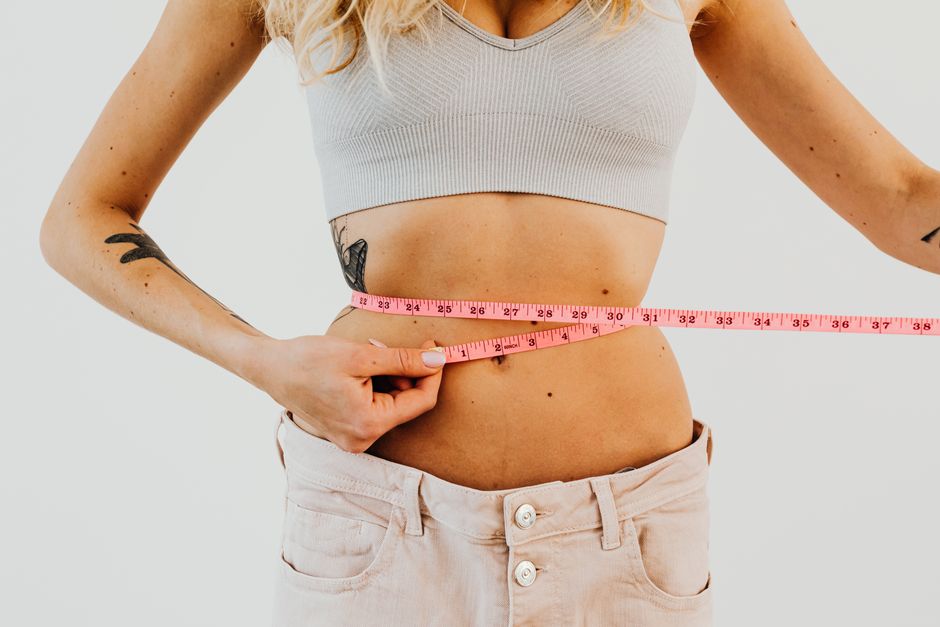
Body sculpting can tighten skin in some cases, but the results depend heavily on how much loose skin you have and what caused it. Treatments that heat or damage tissue below the surface can trigger new collagen growth, which may firm skin over time. But no nonsurgical body sculpting device removes significant amounts of excess skin. For that, surgery is currently the only reliable option.
If you are considering body sculpting for loose skin, the most important question is not which device works best. It is whether your skin still has enough elasticity to respond at all.
Does Body Sculpting Work On Loose Skin?
Sometimes, but only within limits. The answer depends on two things: how much collagen and elastin your skin still has, and how much skin is actually hanging.
Body sculpting is a broad term. It covers several different technologies, and they do not work the same way.
- Radiofrequency devices heat the dermis, the deeper layer of skin. This heat can stimulate fibroblasts, the cells that produce collagen.
- Ultrasound devices focus energy at specific depths to heat tissue or break down fat cells.
- Cryolipolysis freezes and destroys fat cells. It does not tighten skin.
- Laser and light devices create controlled injury that triggers a repair response.
- Muscle stimulation devices contract muscles to build strength and slightly reduce fat. They do not tighten skin.
The key distinction is this: some devices target fat, some target muscle, and some target skin quality. Only the ones that heat the dermis have any plausible mechanism for tightening skin. And even those work on skin quality, not on removing excess skin.
If you can pinch more than a small amount of loose skin, no nonsurgical device will remove it. That is not a marketing opinion. It is a structural reality. Devices can change how skin behaves. They cannot make extra skin disappear.
What Causes Loose Skin In The First Place?
Loose skin happens when the support structure of the skin breaks down or when skin has been stretched beyond its ability to snap back.
The dermis contains collagen and elastin. Collagen gives skin its strength. Elastin lets it stretch and return to shape. When either is damaged or reduced, skin loses its ability to recoil. This is why loose skin looks different from fat. Fat bulges. Loose skin drapes.
The most common causes include:
- Major weight loss. Skin stretched over a long period may not retract fully, especially after large losses. The longer skin was stretched and the more weight lost, the more likely significant laxity will remain.
- Aging. Collagen production declines with age, and existing collagen breaks down faster. This is a gradual process that affects everyone.
- Pregnancy. The abdomen stretches significantly. For many women, some skin laxity remains after delivery, though the degree varies widely.
- Genetics. Some people simply have more elastic skin than others. This is not something you can change.
- Sun damage. Ultraviolet exposure breaks down collagen and elastin over time. This affects skin everywhere, not just the face.
- Smoking. Smoking reduces blood flow to skin and damages collagen. It accelerates skin aging across the body.
One detail that often gets overlooked: the amount of weight lost matters more than how fast it was lost. Skin retraction is a slow process that can continue for a year or more after weight stabilizes. Some people see gradual improvement during that time without any treatment at all.
How Do Skin-Tightening Devices Actually Work?
Devices that aim to tighten skin work by creating controlled damage in the dermis. The body responds by producing new collagen. This is a real physiological process, not a marketing invention.
When the dermis is heated to a certain temperature range, collagen fibers contract and fibroblasts are activated. Over the following weeks and months, new collagen is deposited. This can improve skin firmness and texture.
But here is what this process can and cannot do:
- It can make skin thicker and slightly firmer.
- It can improve the appearance of mild crepiness or fine wrinkles.
- It cannot remove folded or hanging skin.
- It cannot replace the volume lost under the skin.
- It cannot replicate the effect of cutting away excess tissue.
Think of it this way. If you stretch a piece of fabric and it stays stretched, you can treat the fabric to make it stiffer. But you cannot make it smaller. That is essentially the limitation of nonsurgical skin tightening.
Results also vary significantly between individuals. Age, skin quality, hormone status, and overall health all affect how much collagen the body will produce in response to treatment. Some people see noticeable improvement. Others see very little. There is currently no reliable way to predict who will respond well.
What Does The Evidence Show About These Treatments?
Some evidence supports modest skin tightening from certain energy-based devices, particularly radiofrequency and focused ultrasound. But the quality of that evidence varies, and most studies are small.
Many published studies report improvement based on before-and-after photographs rated by physicians or patients. These ratings are subjective. Blinding is difficult in studies where the treatment leaves visible marks or requires multiple sessions. That makes it hard to separate real effects from placebo response and natural variation.
What the evidence generally indicates:
- Radiofrequency devices can produce measurable changes in skin thickness and firmness in some patients.
- Focused ultrasound can tighten skin in the treated area, but the effect is usually modest.
- Results are not permanent. Collagen continues to break down with age, so improvement fades over time.
- Multiple sessions are typically needed, and maintenance treatments may be required.
- No nonsurgical device has been shown to remove significant amounts of excess skin in controlled trials.
The evidence is mixed on how long results last and how much improvement is realistic. Some studies suggest effects may persist for several months to a year. Others show diminishing returns. There is no strong consensus on standardized protocols, which makes comparing devices difficult.
It is also worth noting that many device studies are funded by manufacturers. This does not make the findings false. But it is a factor when weighing how much confidence to place in the results.
When Is Surgery The Only Real Option?
Surgery is the only established method for removing significant excess skin. This is not a matter of opinion. It is a matter of what the tissue allows.
Procedures like abdominoplasty, brachioplasty, and thighplasty physically cut away extra skin and reposition the remaining tissue. The trade-off is scarring, recovery time, and cost. These are real considerations, and the decision is not straightforward for everyone.
Surgery tends to be the more realistic option when:
- There is a significant amount of hanging skin, not just mild laxity.
- Skin has not retracted after a year or more of stable weight.
- The loose skin causes skin irritation, hygiene problems, or discomfort.
- Nonsurgical treatments have been tried without meaningful improvement.
For mild laxity, nonsurgical options may be reasonable to try first. For moderate to severe laxity, they are unlikely to produce satisfying results. Setting realistic expectations before spending money on treatments is important.
Some people also combine approaches. A surgeon might perform a smaller skin excision after nonsurgical treatments have improved skin quality. But this is a clinical decision that depends on individual circumstances.
What Should You Realistically Expect?
Realistic expectations are the difference between satisfaction and disappointment with any body sculpting treatment.
If you have mild skin laxity after weight loss or pregnancy, and your skin still has reasonable elasticity, some nonsurgical treatments may produce modest improvement. The change is usually subtle. It is not the same as having skin removed.
If you have significant loose skin, no nonsurgical treatment will give you the result you are looking for. That is the honest position based on the current evidence and the basic mechanics of how skin works.
Factors that affect your likely outcome include:
- Your age. Younger skin generally responds better to collagen-stimulating treatments.
- How much weight you lost and how long the skin was stretched.
- Your genetics and natural skin elasticity.
- Whether you smoke or have significant sun damage.
- How much skin is actually loose versus how much is fat.
A consultation with a board-certified dermatologist or plastic surgeon can help clarify which category you fall into. That assessment is based on physical examination, not on device marketing.
Frequently Asked Questions
Can body sculpting tighten loose skin without surgery?
Some nonsurgical devices can modestly improve skin firmness by stimulating collagen, but they cannot remove excess skin. Results are usually subtle and vary widely between individuals.
How long do body sculpting results last for loose skin?
Results are not permanent because collagen continues to break down with age. Some studies suggest improvement may last several months to about a year, but the evidence on duration is mixed.
Is loose skin after weight loss permanent?
Not always. Skin can continue to retract for a year or more after weight stabilizes, especially with moderate weight loss. Significant laxity after large weight loss often persists, and surgery may be the only way to remove it.
Does cryolipolysis tighten loose skin?
No. Cryolipolysis is designed to reduce fat cells, not to tighten skin. Some people report skin tightening after the procedure, but this is not its intended effect and has not been consistently demonstrated in studies.
