
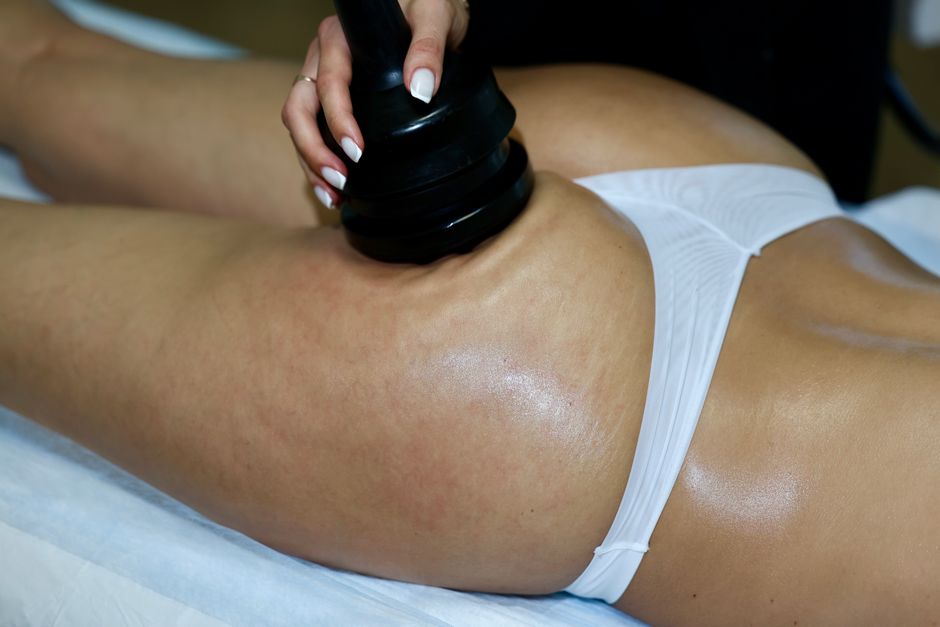
Body sculpting is a broad label covering very different procedures, and whether it “works” depends entirely on which one you mean and what you expect from it. Non-invasive devices can produce modest, measurable fat reduction or temporary skin tightening in some people. Surgery such as liposuction removes fat more reliably. None of these methods is a weight-loss treatment, and none replaces diet and exercise for lasting change.
What Does “Body Sculpting” Actually Mean?
The term is a marketing umbrella, not a medical category. It can describe a plastic surgery operation, an office treatment with a handheld device, or a cream sold online. Grouping these together is why the question “does it work” gets confusing answers.
The procedures fall into a few distinct groups:
- Surgical: liposuction, abdominoplasty (tummy tuck), and fat transfer, performed by a surgeon, often under anesthesia.
- Energy-based devices: treatments using cold (cryolipolysis), focused ultrasound, radiofrequency, or lasers to damage fat cells or heat skin.
- Injectables: substances injected to dissolve fat or, in some countries, to contour muscle.
- Topical products: creams and wraps that claim to firm or slim, with little to no supporting evidence.
Each works through a different mechanism, or in the case of creams, arguably no meaningful mechanism at all. Treating them as one thing is the first mistake.
Does Body Sculpting Work for Fat Removal?
For fat removal, the evidence is strongest for surgery and moderate for certain non-invasive devices. The results are real but limited in scale.
Liposuction physically removes fat cells through a cannula. It reliably reduces fat in the treated area. What it does not do is treat obesity or prevent weight regain. Fat cells that remain can still enlarge, and if you gain weight after surgery, fat can be deposited in other areas.
Non-invasive fat-reduction devices work by injuring fat cells, which the body then clears over weeks to months. Cryolipolysis, for example, freezes fat cells while sparing skin. Studies generally show a modest reduction in the treated area’s fat layer, often measured in the range of a fraction of a centimeter to a couple of centimeters, depending on the device and the person. That is a real change, but it is not dramatic, and it is not the same as losing a clothing size.
One clarification worth knowing: fat cells that are destroyed are generally gone for good. The body does not regenerate them in the same spot in the same way. This is why the effect can be long-lasting, even though it is modest. Weight gain afterward, however, can still change your shape.
Does Non-Surgical Body Sculpting Really Work?
Non-surgical body sculpting works for some goals and not others. It is best at reducing small, stubborn pockets of fat and at temporarily improving skin appearance. It is poor at producing significant weight loss or dramatic reshaping.
Results vary by device, by the operator’s skill, and by the individual. The evidence base is uneven. Some devices have been studied in peer-reviewed trials with measurable outcomes. Others are sold largely on before-and-after photos and testimonials.
Skin tightening is a separate claim. Radiofrequency and ultrasound-based treatments can produce a temporary firming effect by heating tissue and stimulating collagen. The effect is usually modest and fades over time. No non-invasive device reverses loose skin the way surgery does.
Muscle-stimulation devices are marketed for “toning.” Some research suggests they can increase muscle thickness in the treated area when combined with exercise, but the clinical relevance of those changes for everyday appearance is not well established.
How Do the Main Options Compare?
The table below summarizes general differences. It is not a recommendation, and individual results vary.
| Method | Typical approach | Evidence strength | Downtime |
|---|---|---|---|
| Liposuction | Surgical fat removal | Strong | Days to weeks |
| Abdominoplasty | Surgical skin and fat removal | Strong | Weeks |
| Cryolipolysis | Freezing fat cells | Moderate | Minimal |
| Focused ultrasound | Destroying fat with sound energy | Moderate | Minimal |
| Radiofrequency | Heating skin and fat | Mixed | Minimal |
| Fat-dissolving injections | Chemical destruction of fat | Mixed | Minimal to days |
| Creams and wraps | Topical application | Weak or absent | None |
“Evidence strength” reflects how consistently studies support a real effect, not how large the effect is. Even the strongest non-surgical results are modest compared with surgery.
What Are the Risks and Limits?
Every method carries risks, and the non-invasive label does not mean risk-free. Common side effects of device treatments include temporary redness, swelling, bruising, and tenderness. Less common but documented complications include burns, skin discoloration, and contour irregularities.
Fat-dissolving injections have been associated with more serious reactions in some reports, including tissue damage beyond the intended area. Regulatory status for these products varies by country, and in the United States not all are approved for cosmetic fat removal. Anyone considering them should verify what is actually approved and by whom.
Surgery carries the risks of anesthesia, infection, bleeding, scarring, and fluid shifts. These are real and should be weighed with a qualified surgeon.
The biggest limitation is expectation. Body sculpting is designed for people near a stable, healthy weight who want to address a specific area. It is not a treatment for obesity, and it does not substitute for lifestyle change. Clinicians generally frame these procedures as refinements, not transformations.
Does Body Sculpting Last?
Results can last, but they are not permanent in the way people often assume. Destroyed fat cells generally do not return, and surgical fat removal is long-lasting. But your overall shape still depends on your weight, age, and skin elasticity.
Skin changes with time regardless of treatment. A firming effect from radiofrequency or ultrasound typically fades. Weight gain after any procedure can change your contours, because remaining fat cells can enlarge.
Maintaining results generally means maintaining stable habits. No procedure removes the need for that.
Is It Worth It?
Whether body sculpting is worth it depends on your goal. If you want a modest reduction in a stubborn area and understand the limits, some methods have reasonable supporting evidence. If you are hoping for significant weight loss or a dramatic change without surgery or lifestyle effort, the evidence does not support that expectation.
Be skeptical of any provider who promises large results from a non-invasive device, or who markets creams as fat removal. Ask what device is being used, what studies support it, and what realistic outcomes look like. A trustworthy clinician will give you a modest, honest picture.
Body sculpting can work. It just works within narrower limits than the marketing usually suggests.
Frequently Asked Questions
Does body sculpting actually work?
Yes, for modest fat reduction in specific areas, with the strongest evidence for surgery and moderate evidence for some non-invasive devices. It does not produce significant weight loss or replace diet and exercise.
Does non-surgical body sculpting really remove fat?
Some devices do reduce fat in the treated area by damaging fat cells that the body then clears. The reduction is usually modest and varies by device and person.
How long do body sculpting results last?
Destroyed fat cells generally do not return, so results can be long-lasting. Skin tightening effects typically fade, and weight gain can still change your shape.
Is body sculpting safe?
Non-invasive treatments are generally well tolerated, with common side effects like temporary redness and swelling. Surgery and fat-dissolving injections carry more serious risks, so discuss them with a qualified clinician.
