
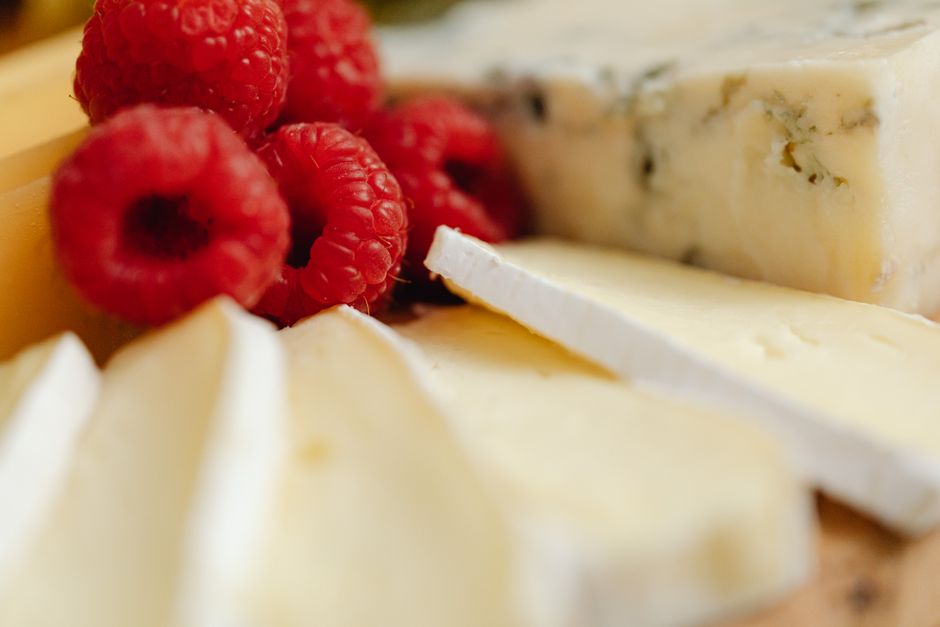
Yes, blue cheese expires. Every blue cheese has a point where it stops improving and starts declining, and that point depends on the type you bought. A soft, creamy blue like Gorgonzola dolce may be past its best in a few weeks. A firm, salty blue like Stilton can hold up for months under the right conditions. The blue veins themselves are not a sign of spoilage. They are supposed to be there.
What confuses people is that blue cheese looks “old” by design. The mold is intentional, the rind may be rustic, and the smell is strong. None of that tells you whether the cheese is still good. The real signals are texture, ammonia smell, and visible surface growth that does not belong.
Does Blue Cheese Expire?
Blue cheese expires because it is a living food. The molds and bacteria that give it flavor keep working after you bring it home. Enzymes break down proteins and fats over time. That process is what makes aged cheese taste complex, and it is also what eventually makes it taste harsh, bitter, or soapy.
The mold used in blue cheese is a controlled culture, usually a type of Penicillium. It is not the same as the mold that grows on forgotten bread. The blue-green marbling is safe to eat. The concern is what happens after that controlled mold has done its job and the cheese starts to break down.
Three things speed up decline:
- Air exposure, which dries the paste and lets unwanted microbes land on the surface
- Warmth, which accelerates enzyme activity and fat breakdown
- Moisture in the wrong place, which can let spoilage organisms gain a foothold
Blue cheese does not “go bad” all at once. It moves through stages. First it is at its peak. Then it becomes sharper and drier. Then it develops off-flavors. Finally it becomes a food safety concern. Knowing which stage you are in is the whole skill.
How Long Does Blue Cheese Last?
Blue cheese lasts different lengths of time depending on its style, packaging, and storage. There is no single expiration date that applies to all blue cheese. The date on the package is a guide, not a hard rule.
Here is a general picture of how long different types tend to hold up once opened and refrigerated:
- Soft blues (Gorgonzola dolce, some creamy Danish blues): usually best within one to two weeks of opening
- Semi-firm blues (Roquefort, many domestic blues): often good for three to four weeks
- Firm, aged blues (Stilton, aged Cabrales): can keep for several weeks to a couple of months if wrapped well
These are typical ranges, not guarantees. A cheese that was cut and rewrapped at a deli counter may behave differently from a factory-sealed wedge. Soft blues with high moisture are the most fragile. Firm, salty blues resist spoilage better because salt and low moisture make life harder for unwanted microbes.
Unopened blue cheese generally lasts longer than opened cheese, but not indefinitely. Once the seal is broken, the clock speeds up.
How Do You Know If Blue Cheese Has Gone Bad?
You know blue cheese has gone bad when the signs show up in smell, texture, and surface appearance. Trust your senses here. They are reliable for this.
The clearest warning sign is an ammonia smell. A faint whiff near the rind can be normal in aged cheese. A sharp, cleaning-product ammonia smell that hits you across the room means the cheese has broken down too far. That is a sign of protein breakdown, and it usually means the flavor has gone harsh.
Texture tells you a lot too. Blue cheese should be creamy or crumbly depending on type. If it has turned slimy, sticky, or unusually wet, something is wrong. If it has dried into a hard, cracked brick, it is past its best even if it is not unsafe.
Look at the surface. The blue veins inside are fine. Fuzzy mold on the outside that is not part of the rind is a different matter. Surface molds in colors like pink, brown, or black are not the controlled blue culture. Small spots of surface mold on a firm blue can sometimes be trimmed away with a generous margin, but soft cheeses are a different story. With soft or creamy blues, mold can send root-like threads below the surface where you cannot see them. In that case, trimming is not reliable.
One thing worth saying plainly: the blue veins are not mold spoilage. Many people throw out perfectly good blue cheese because the green marbling looks alarming. It is the intended product.
Can You Eat Blue Cheese Past Its Date?
You can sometimes eat blue cheese past its printed date, but the date is not meaningless. It is a freshness guide, and the margin for error shrinks the further you go past it.
Firm blues are more forgiving. A well-wrapped Stilton a week or two past its date, stored cold and smelling clean, is often still fine. Soft blues are less forgiving. Their high moisture makes them a better home for unwanted microbes, and their texture degrades faster.
The date on the package is usually a best by date, not an expiration date. Best-by dates are about quality. They tell you when the product is at its peak, not when it becomes dangerous. That distinction matters, and it is widely misunderstood. A cheese past its best-by date may still be safe, but it may also taste flat or harsh.
What you should not do is rely on the date alone in either direction. A cheese stored badly can spoil before its date. A cheese stored well can outlast it. Check the cheese, not just the label.
How Should You Store Blue Cheese?
Store blue cheese cold, wrapped, and away from other foods. The refrigerator is the right place. The goal is to slow the enzymes without drying the cheese out or trapping too much moisture.
Here is what works:
- Wrap the cheese in parchment or wax paper first, then loosely in plastic wrap or foil. This lets it breathe a little while staying protected.
- Keep it in the vegetable drawer or a colder part of the fridge, ideally around 35 to 40°F.
- Store it away from other cheeses and strong-smelling foods. Blue cheese cultures can spread to nearby foods, and it picks up odors easily.
- Replace the wrapping each time you open it, especially if it has become damp.
Plastic wrap alone, pulled tight, can trap moisture and encourage surface slime. Parchment underneath gives a better balance. If the cheese came in a sealed wedge, you can often keep it in its original packaging until you open it.
Do not freeze blue cheese if you plan to eat it as a wedge. Freezing changes the texture and makes it crumbly and watery when thawed. It can still work crumbled into cooking, but the eating quality drops.
Is Moldy Blue Cheese Ever Safe?
Moldy blue cheese is safe when the mold is the intended blue culture. It is not safe when the mold is something else growing on the surface.
The blue-green veins are part of the recipe. They are introduced on purpose and are safe to eat. The question is whether any additional mold has appeared that was not supposed to be there.
For firm blue cheese, a small patch of surface mold can sometimes be cut away with a wide margin, keeping the knife out of the mold itself. For soft blue cheese, this is not a reliable approach, because mold threads can extend below the visible surface. The safest choice with soft blues is to discard the cheese if unwanted mold appears.
This is one of the few areas where the type of cheese genuinely changes the advice. Firm and soft are not interchangeable here.
If you are pregnant, older, or have a weakened immune system, be more cautious with any cheese that looks or smells off. Soft cheeses and unpasteurized cheeses carry additional considerations during pregnancy that go beyond the scope of spoilage alone. When in doubt, throw it out.
Frequently Asked Questions
How long does blue cheese last in the fridge?
Opened blue cheese typically keeps for one to two weeks if soft, and three to four weeks or longer if firm and well wrapped. Unopened wedges generally last longer than opened ones.
Can you eat blue cheese after the expiration date?
Sometimes, yes, especially firm blues that still smell clean and look normal. Soft blues are less forgiving, so check texture and smell rather than relying on the date alone.
Is the mold in blue cheese safe to eat?
Yes, the blue-green veins are a controlled culture added on purpose and are safe to eat. Fuzzy mold growing on the outside surface is different and should be treated with caution.
What does bad blue cheese smell like?
Bad blue cheese often smells strongly of ammonia, like cleaning fluid, rather than the earthy, tangy smell of fresh blue cheese. A faint ammonia note near the rind can be normal, but a sharp smell throughout means it has turned.
