
Blood work is a standard part of modern healthcare, yet many people put off routine tests because they fear the needle. The direct answer is that a standard blood draw causes brief, mild discomfort for most people, but the anticipation of pain is often worse than the procedure itself. Research on venipuncture consistently shows that the actual pain is typically low, lasting only a few seconds, though individual experiences vary based on technique, anxiety, and personal pain tolerance.
What Does the Research Say About Blood Draw Pain?
Studies examining patient-reported pain during routine venipuncture generally rate the experience as mild. When asked to score their pain on a scale from zero to ten, most people report a score between one and three. This places the average blood draw below the level of pain most people associate with dental work or minor burns.
The brief sting comes from the needle piercing the skin and entering the vein. Once the needle is in place, most people feel pressure but not sharp pain. The entire procedure, from needle insertion to removal, typically lasts less than a minute for a standard set of tubes.
Research also highlights a key finding: the fear of the procedure is often more intense than the procedure itself. Studies on needle phobia suggest that anxiety can amplify the perception of pain. People who expect significant pain tend to report more pain than those who expect mild discomfort.
Why Do Some Blood Draws Hurt More Than Others?
Not every blood draw feels the same. Several factors influence how much discomfort a person feels, and understanding these can help you prepare for your next test.
Vein accessibility is one of the most important factors. People with deep, small, or rolling veins often require multiple attempts or more probing with the needle. This increases discomfort. Hydration plays a direct role here. When you are well-hydrated, your veins are fuller and easier to hit. Dehydration can make veins flat and harder to access.
Needle size and type also matter. Phlebotomists select the smallest gauge needle appropriate for the required tests. Butterfly needles, which are smaller and more flexible, are often used for children or people with delicate veins. A smaller needle generally causes less pain at insertion.
Technique and skill of the person drawing your blood matters significantly. A skilled phlebotomist can often complete the draw in one smooth motion. A less experienced technician may need to adjust the needle position, which can cause more discomfort.
Finally, your own muscle tension affects the experience. Keeping your arm tense can make veins more difficult to access and can increase pain. Relaxing your arm and letting it hang naturally can help.
How Anxiety Affects the Pain of Blood Work
Anxiety is not just an emotional response. It has measurable physiological effects that can influence pain perception. When you are anxious, your body releases stress hormones. These hormones can increase your heart rate and blood pressure, and they can also lower your pain threshold.
This creates a feedback loop. You worry about the pain, which makes you more sensitive to it, which confirms your worry. Breaking this cycle before the draw is one of the most effective ways to reduce discomfort.
Research on needle-related distress shows that simple distraction techniques can be effective. Looking away from the needle, focusing on your breathing, or engaging in conversation with the phlebotomist can reduce perceived pain. Some clinics offer numbing cream for patients with significant needle anxiety, though this requires applying the cream well before the appointment.
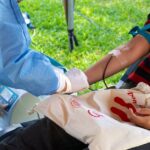
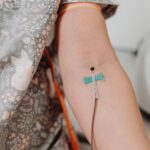
What Does the Needle Actually Feel Like?
Describing the sensation honestly can help reduce the fear of the unknown. Most people describe the needle insertion as a quick pinch or a sharp sting that fades within a few seconds. It is not a deep pain. It is a surface sensation that resolves almost immediately.
Once the needle is in the vein, you may feel a dull pressure or a mild burning sensation. This is normal and usually not painful. Some people report feeling a cold sensation when blood begins flowing into the collection tube. This is harmless.
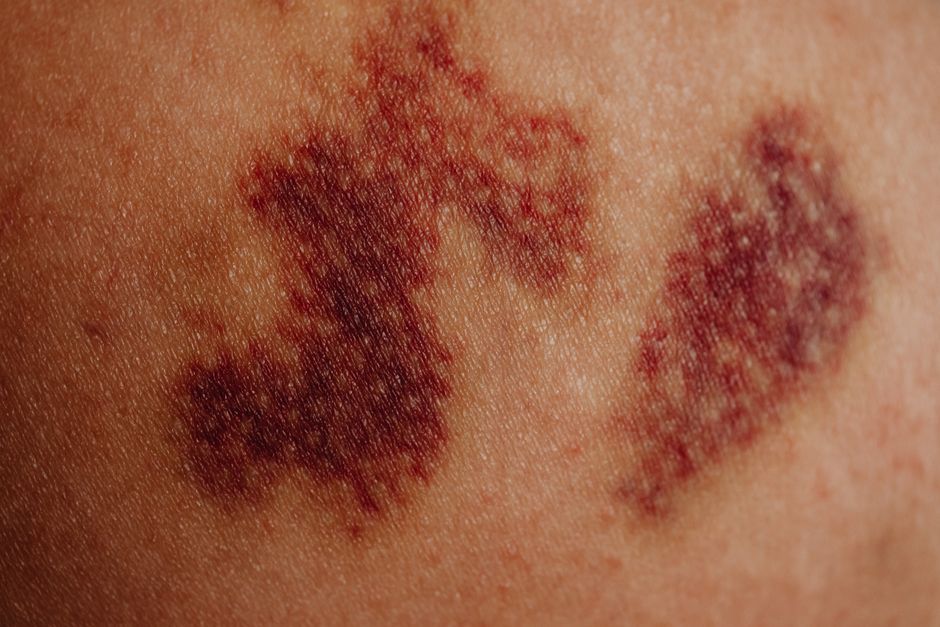
The moment of needle removal is typically painless or produces only a tiny prickle. The most common source of lingering discomfort after a blood draw is not the needle itself but the bruising that can develop at the puncture site afterward.
How Long Does the Pain Last?
For the vast majority of people, any pain from a blood draw ends when the needle is removed. The sharp sensation lasts only two to three seconds. The dull pressure may last for the duration of the draw, which is usually under a minute.
After the needle is removed, you may feel a slight ache at the site for a few hours. This is typically minor and does not interfere with normal activities. If you experience significant pain, swelling, or numbness that lasts more than a few hours, you should contact your healthcare provider. This could indicate nerve irritation or another complication, though these are rare.
What Makes Blood Work More Painful Than It Should Be
Some situations genuinely do make blood work more painful than the average experience. Knowing these can help you advocate for yourself or prepare appropriately.
- Multiple needle sticks: Each attempt causes fresh tissue trauma. If the first stick fails, the second often hurts more because the area is already sensitive.
- Small or fragile veins: Conditions like chronic illness, chemotherapy, or long-term IV drug use can damage veins, making draws more difficult and more painful.
- Fasting draws: Fasting can cause mild dehydration, which makes veins harder to find. Some people also feel lightheaded when fasting, which can amplify discomfort.
- Cold hands: Cold causes veins to constrict. Warming your hands before a draw can make veins more prominent and easier to access.
- Excessive probing: If the phlebotomist moves the needle around to find the vein, this is called “fishing.” It is more painful than a clean single insertion. You have the right to ask for a different technician or a different site if this occurs.
Practical Steps to Reduce Discomfort During Blood Work
You are not powerless in this situation. Several evidence-informed strategies can make your blood draw more comfortable.
Hydrate beforehand. Drinking plenty of water in the hours before your appointment makes your veins fuller and easier to access. This is one of the most effective things you can do. Avoid caffeine, which can cause mild dehydration and increase anxiety.
Warm your arms. Run warm water over your hands and forearms for a few minutes before the draw, or ask for a warm pack. Warmth dilates veins and makes them more visible.
Look away. Watching the needle enter your arm increases anxiety for many people. Looking away or focusing on a point across the room can reduce distress.
Tell the phlebotomist about your anxiety. Phlebotomists are trained to work with anxious patients. They can use a smaller needle, take more time, or use a different technique. Do not feel embarrassed about sharing this information.
Use a distraction. Counting backward from ten, reciting a song, or squeezing a stress ball in your opposite hand can shift your focus away from the needle.
When Blood Work Pain Signals a Real Problem
Most blood draw pain is brief and resolves quickly. However, some symptoms after a blood draw warrant medical attention.
Nerve injury is rare but possible. If you feel a sharp electric shock sensation during the draw, or if you have persistent numbness, tingling, or weakness in your arm afterward, contact a healthcare provider. This type of injury usually heals on its own but may require evaluation.
Excessive bruising or a growing hematoma can indicate that the vein was punctured through the back wall or that pressure was not held long enough after the needle was removed. Applying firm pressure for at least two to three minutes after the draw significantly reduces bruising. If a large lump forms and continues to grow, seek medical advice.
Signs of infection are very rare with modern sterile technique, but they are possible. Redness, warmth, swelling, or pain that increases after the first day should be evaluated.
Fainting during or after a blood draw is not uncommon. This is called a vasovagal response. If you feel lightheaded, tell the phlebotomist immediately. They will have you lie down or put your head between your knees. This response is temporary and not dangerous, but it is important to report it so staff can keep you safe.
Frequently Asked Questions
Does a blood test hurt more than an IV?
A standard blood draw typically hurts less than an IV insertion because it uses a smaller needle and is removed quickly. An IV needle stays in place and may cause a persistent dull ache at the site.
Why did my blood draw hurt so bad?
Significant pain during a blood draw usually means the technician had trouble locating the vein, had to reposition the needle, or needed multiple attempts. Dehydration, anxiety, and cold hands can also make the procedure more uncomfortable.
How can I make my blood draw not hurt?
Drink plenty of water beforehand, warm your arms, and look away during the needle insertion. Telling the phlebotomist about your anxiety allows them to use techniques that reduce discomfort.
Is it normal to feel pain after blood work?
Mild soreness or a small bruise at the puncture site for a day or two is normal. Sharp pain, numbness, or swelling that worsens after the first day is not normal and should be evaluated by a healthcare provider.
