
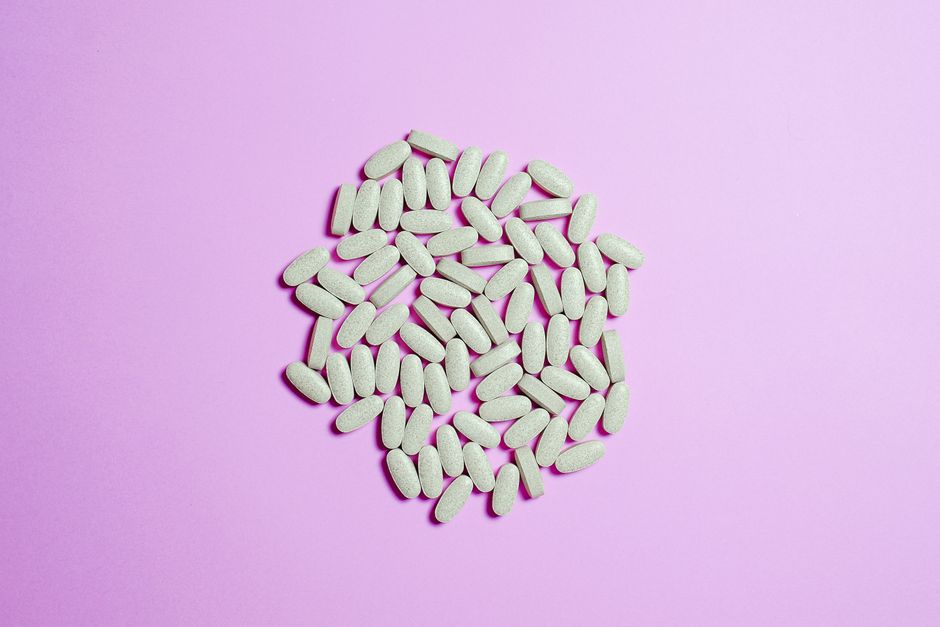
Biotin supplements are widely marketed for hair growth, but the evidence that they help people with normal biotin levels is thin. Biotin is a B vitamin your body needs for normal cell function, and true biotin deficiency can cause hair loss. However, deficiency is rare in healthy adults, and no large, well-controlled human trials have shown that extra biotin makes hair grow faster or thicker in people who are not deficient.
Does Biotin Vitamins Help Hair Growth?
For most people, no. If you have a genuine biotin deficiency, correcting it can restore normal hair growth. If your biotin levels are normal, taking more has not been shown to improve hair in controlled studies.
The confusion comes from mixing up two different things: treating a deficiency and improving hair in someone who is already sufficient. Those are not the same claim, and only the first has solid support.
Biotin (vitamin B7) is a coenzyme. Your body uses it in reactions that break down fats, carbohydrates, and proteins, and in gene regulation. Cells that divide quickly, including hair follicle cells, depend on it. So the biology makes biotin sound important for hair, and it is. That does not mean adding extra on top of a normal level does anything.
Most multivitamins and many hair, skin, and nail supplements contain biotin, often at doses far above what the body needs. The marketing leans on the deficiency link without saying that deficiency is uncommon.
How Common Is Biotin Deficiency?
Biotin deficiency is rare in healthy people who eat a varied diet. The body recycles biotin efficiently, and it is present in many common foods.
Good sources include eggs, nuts, seeds, salmon, sweet potatoes, and liver. Gut bacteria also produce some biotin. Because it is widely available, most adults get enough without trying.
Certain situations do raise the risk:
- Long-term use of some anti-seizure medications, which can affect biotin metabolism
- Prolonged intravenous feeding without biotin supplementation
- Rare inherited disorders that affect how the body processes biotin
- Eating large amounts of raw egg whites over a long period, because a protein in raw eggs binds biotin and blocks absorption
The raw egg point is real but often overstated online. It generally takes a sustained pattern of eating many raw egg whites, not an occasional one, to matter. Cooking eggs inactivates the binding protein.
What Does the Research Actually Show?
The research on biotin for hair growth in people without deficiency is limited and mostly low quality. This is the key point that supplement marketing avoids.
Some small studies and case reports have described hair and nail improvements in people taking biotin, but these often involved people who may have been deficient or who had other conditions. Small, uncontrolled reports cannot show cause and effect.
A review of the evidence on biotin for hair, skin, and nail health found that most support comes from limited data, and the authors noted a lack of strong trials. That is the honest state of the field. There is no large randomized controlled trial showing that biotin supplements grow hair in people with normal levels.
Here is a non-obvious point worth knowing. Hair and nail supplements often combine biotin with other ingredients like zinc, iron, or vitamin D. When a study shows improvement, it is usually impossible to credit biotin specifically. The benefit, if any, could come from correcting another nutrient gap or from the combination.
Biotin is water-soluble, so excess is generally excreted in urine. That is often used to suggest it is harmless to take more. The safety picture is more complicated than that, which the next section covers.
Is Taking Biotin Supplements Safe?
Biotin is generally well tolerated, and no tolerable upper intake level has been set for it. But there is one safety issue that matters and is underappreciated: biotin can interfere with certain lab tests.
High doses of biotin can distort results on some immunoassays, the lab methods used for many hormone and cardiac tests. This includes tests for thyroid hormones and for troponin, a marker used to detect heart attacks. In rare cases, distorted results have led to inappropriate care.
Because of this, the FDA has issued a safety communication about biotin interfering with lab tests. If you take biotin, tell your doctor before any blood work, and mention the dose. Some labs and clinicians advise stopping biotin for a period before certain tests, but the right approach depends on the test and the dose, so follow your clinician’s guidance rather than guessing.
Beyond lab interference, biotin supplements are not tightly regulated the way drugs are. What the label says and what the bottle contains can differ, and combination products add ingredients you may not need.
What Actually Causes Hair Loss?
Hair loss has many causes, and most of them have nothing to do with biotin. Treating the real cause is what helps.
Common contributors include:
- Androgenetic alopecia, the inherited pattern hair loss that affects both men and women
- Telogen effluvium, temporary shedding after illness, surgery, childbirth, or severe stress
- Thyroid problems
- Iron deficiency, which is a well-recognized contributor to hair shedding in some people
- Hormonal changes, including those around menopause
- Certain medications and treatments
- Crash diets and rapid weight loss
Pattern hair loss is driven largely by genetics and hormones, not by a vitamin shortage. No amount of biotin changes that mechanism. This is why people with typical hereditary thinning often see no response to biotin at all.
If you are losing hair, the useful step is finding out why. A clinician can look at the pattern of loss, your history, and where appropriate, lab tests. Iron and thyroid are common things to check. Self-treating with biotin can delay identifying a cause that actually has a treatment.
Should You Take Biotin for Hair Growth?
If you have a confirmed deficiency, correcting it is reasonable and should be guided by a clinician. If you have normal levels and are hoping for thicker hair, the evidence does not support it.
It is worth being clear about what is unknown. No clinical guidelines recommend routine biotin supplementation for hair growth in healthy adults, because the evidence does not justify it. That is different from saying biotin is dangerous. For most people it is low-risk, but low-risk is not the same as effective.
If your goal is healthier hair, the more reliable levers are addressing any underlying deficiency or medical cause, eating enough protein, and avoiding harsh treatments and crash diets. Protein matters because hair is made of it, and severe protein restriction can contribute to shedding.
Be skeptical of before-and-after marketing and influencer claims. A supplement that “supports hair health” in a label claim is not the same as one proven to regrow hair. Those claims are often written to stay within advertising rules, not to reflect trial results.
What About Biotin for Nails and Skin?
The evidence for biotin on nails is slightly stronger than for hair, but still limited. Some reports describe firmer nails in people taking biotin, again often in those who may have been deficient.
For skin, the support is weaker still. Brittle nail syndrome has been studied with biotin in small reports, but the data are not strong enough to call it an established treatment. It is fair to say some clinicians suggest it, while acknowledging the evidence is thin.
The pattern across hair, skin, and nails is the same: plausible biology, marketing that outruns the data, and a real benefit mainly when a true deficiency is corrected.
Frequently Asked Questions
Does biotin actually help hair growth?
Only if you have a biotin deficiency, which is uncommon in healthy adults. In people with normal levels, no large controlled trials show that biotin supplements improve hair growth.
How long does biotin take to work for hair?
There is no established timeline, because the evidence that biotin grows hair in non-deficient people is lacking. Hair grows slowly, so any real change from correcting a deficiency would take months, but no reliable schedule applies to supplementation for growth.
What are the side effects of taking biotin?
Biotin is generally well tolerated, but high doses can interfere with certain lab tests, including thyroid and heart marker tests. Tell your doctor if you take biotin before any blood work.
Can biotin cause hair loss?
There is no good evidence that biotin causes hair loss. Hair shedding is far more often linked to genetics, hormones, iron or thyroid problems, illness, stress, or rapid weight loss.
