
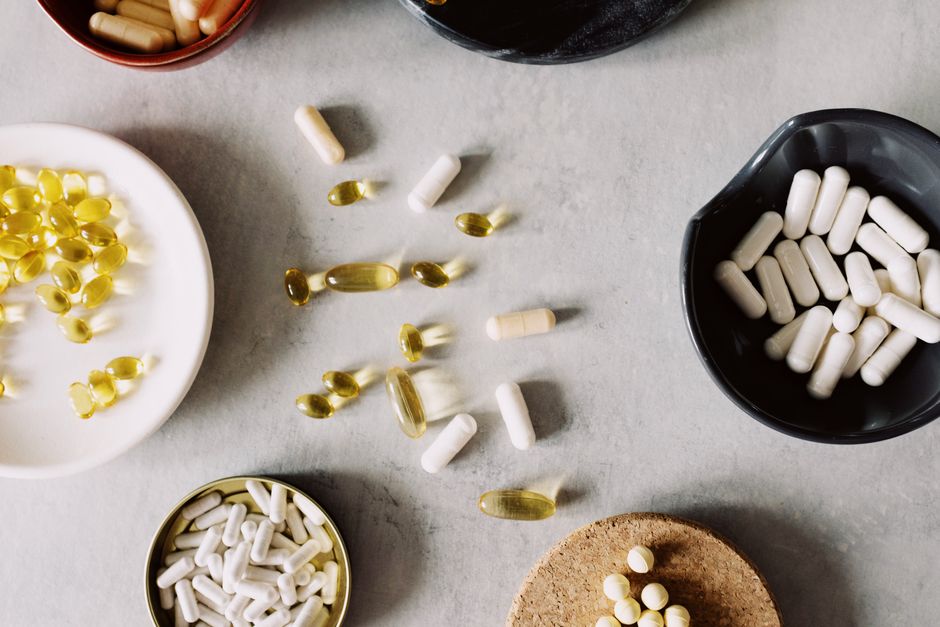
Biotin is one of the most popular supplements for hair, skin, and nail health, but many people worry it causes acne. The short answer is that there is no strong evidence that biotin directly causes breakouts in most people. However, some case reports and biological reasoning suggest it might contribute to acne in specific situations, particularly when taken in very high doses. The research is limited, and the connection is not well understood, but the concern is not entirely without basis.
What Is Biotin and Why Do People Take It?
Biotin is a B vitamin, specifically vitamin B7. It helps your body convert food into energy and supports the health of your hair, skin, and nails. Many people take biotin supplements hoping for stronger nails or thicker hair, and it is a common ingredient in beauty products.
Most people get enough biotin from their diet. Foods like eggs, nuts, seeds, and certain vegetables contain biotin. True biotin deficiency is rare, but it can happen in pregnancy, with certain medications, or in people with specific genetic conditions.
The doses in supplements are often much higher than what you get from food. A typical multivitamin might contain 30 micrograms of biotin, while a dedicated hair and nail supplement might contain 5,000 or 10,000 micrograms. That difference matters when you are thinking about side effects.
Does Biotin Cause Breakouts? What Research Really Shows
There is no large clinical trial proving that biotin causes acne. The evidence comes from case reports and clinical observations, not controlled studies. A small number of dermatologists have reported patients who developed acne after starting high-dose biotin, with the breakouts clearing after they stopped the supplement.
These reports are real but rare. Most people who take biotin never develop acne. The connection is not proven, and it is not clear why some people might react this way.
One theory involves how biotin interacts with another B vitamin, pantothenic acid (vitamin B5). Both biotin and pantothenic acid compete for the same absorption pathway in the body. Some researchers suggest that very high biotin doses could lower pantothenic acid levels, and pantothenic acid deficiency has been linked to acne in animal studies. This is a plausible mechanism, but it has not been confirmed in humans.
The Pantothenic Acid Theory Explained
The idea that biotin competes with pantothenic acid is the most common explanation for biotin-related breakouts. Both vitamins are absorbed through the same transport system in the gut. When you take a very large dose of one, it can reduce absorption of the other.
Pantothenic acid is involved in skin health and the production of skin lipids. Some research, mostly older studies, suggested that pantothenic acid deficiency could contribute to acne. If biotin depletes pantothenic acid, the thinking goes, it could trigger breakouts in sensitive people.
This theory makes biological sense, but the evidence is indirect. No study has directly measured biotin-induced pantothenic acid deficiency and linked it to acne in a controlled setting. It remains a hypothesis, not a proven mechanism.
Some dermatologists recommend taking a B-complex vitamin alongside biotin to balance the B vitamins. This is a practical suggestion, but it is not backed by strong clinical evidence. It is a reasonable approach if you want to keep taking biotin and are concerned about breakouts.
What the Evidence Actually Shows
Let us be clear about the quality of the evidence. There are no randomized controlled trials examining whether biotin causes acne. The published case reports describe individual patients, not large groups. Case reports are useful for generating hypotheses, but they cannot prove cause and effect.
Some studies indicate that biotin is generally well tolerated at recommended doses. The National Institutes of Health notes that biotin has a very low risk of toxicity, and no established upper limit has been set. This suggests that for most people, even high doses are unlikely to cause problems.
However, the absence of evidence is not evidence of absence. The case reports are consistent enough that many dermatologists take the biotin-acne connection seriously. If a patient comes in with new breakouts and is taking high-dose biotin, stopping the supplement is a reasonable first step.
Other Reasons Biotin Might Be Blamed
It is worth considering that biotin might not be the actual cause of breakouts in people who blame it. Many people start taking biotin at the same time they change other habits. They might start a new skincare routine, change their diet, or experience a stressful life event. Any of these could cause acne independently.
There is also the possibility of a placebo effect in reverse. If you expect biotin to cause breakouts, you might notice a pimple that would have appeared anyway and blame the supplement. This is not a dismissal of real experiences, but it is a reminder that correlation is not causation.
Another factor is the other ingredients in biotin supplements. Many hair and nail products contain more than just biotin. They might include collagen, zinc, or herbal extracts. If you react to a supplement, it could be one of these other ingredients rather than the biotin itself.
How to Tell If Biotin Is Causing Your Breakouts
If you suspect biotin is causing your acne, there is a straightforward way to test it. Stop taking the supplement for two to four weeks and watch what happens to your skin. If your breakouts clear up, biotin might be the culprit. If they do not, the supplement is probably not the cause.
If your skin clears after stopping, you can try reintroducing biotin at a lower dose. Some people tolerate lower doses without skin issues. If breakouts return, you have your answer.
It is important to consult a dermatologist if your acne is severe or persistent. Acne has many causes, including hormones, genetics, and bacteria. A dermatologist can help you identify the real trigger rather than guessing at supplements.
Do not stop any medication or make major changes to your health routine without talking to a doctor first. This is especially true if you are pregnant, breastfeeding, or managing a chronic condition.
Should You Stop Taking Biotin?
For most people, there is no reason to stop taking biotin based on acne concerns alone. The risk appears to be low, and most people do not experience breakouts. If you have been taking biotin for months without skin issues, there is no evidence that you need to stop.
If you are taking biotin specifically for hair or nail growth, it is worth knowing what the evidence says about effectiveness. Research on biotin for hair and nail growth in healthy people is limited. Some studies suggest benefits in people with biotin deficiency or specific conditions, but the evidence for healthy individuals is mixed.
If you are taking very high doses, you might consider reducing your dose. There is no established benefit to taking 10,000 micrograms daily over a more moderate dose. Lower doses are less likely to cause any potential side effects.
What to Do Instead of Guessing
If you are dealing with breakouts and taking biotin, the smartest approach is to gather information. Track your skin changes, note when you started the supplement, and talk to a professional. A dermatologist can help you determine whether biotin is worth keeping in your routine.
If you are concerned about the biotin-acne connection but want to keep taking the supplement, consider a lower dose. Some people also choose to take biotin every other day rather than daily. These strategies are not backed by strong evidence, but they are reasonable approaches for reducing potential risk.
Remember that biotin is water-soluble, meaning your body excretes what it does not use. It does not build up in your system the way fat-soluble vitamins do. This is why biotin toxicity is so rare. It also means that if biotin is causing your breakouts, stopping the supplement should resolve the issue relatively quickly.
Frequently Asked Questions
Can biotin cause acne breakouts?
There is no strong clinical evidence that biotin directly causes acne in most people. Some case reports suggest a link in certain individuals, especially at very high doses, but this has not been proven in controlled studies.
How long does it take for biotin to cause breakouts?
There is no established timeline because the connection is not well documented. In case reports, breakouts typically appeared within weeks of starting high-dose biotin, but this varies by person.
Will stopping biotin clear up my acne?
If biotin is the cause of your breakouts, stopping the supplement should lead to improvement within a few weeks. If your skin does not clear after stopping, another factor is likely responsible for your acne.
Can I take biotin and a B-complex vitamin together?
Some dermatologists recommend this to balance B vitamin levels, but the evidence for this approach is limited. It is a reasonable strategy if you want to keep taking biotin and are concerned about breakouts.
