
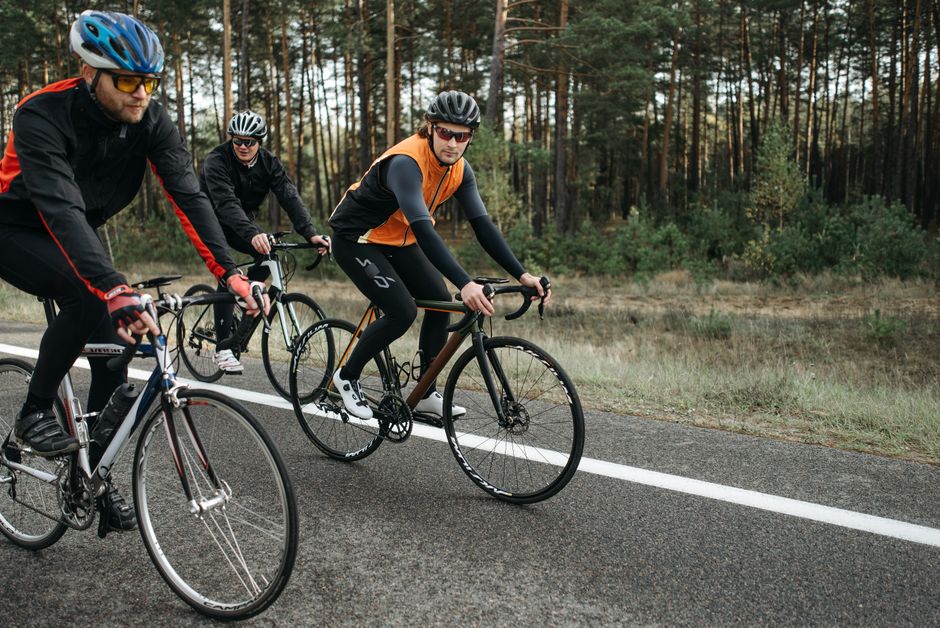
Biking does not burn stomach fat specifically. No exercise does. When you ride a bike, your body draws energy from fat stores all over your body, not just the area you are working. The idea that you can target one spot for fat loss is a myth that has been disproven by research. Biking is an excellent form of exercise that burns calories and improves heart health, but it cannot tell your body where to lose fat from. Your genetics decide that.
Why Spot Reduction Does Not Work
The concept of “spot reduction” is the belief that exercising a specific muscle group will burn the fat covering that muscle. For example, doing hundreds of crunches to lose belly fat. Research has consistently shown this does not work. A well-known study compared people who did abdominal exercises to those who did not. Both groups lost the same amount of belly fat. The exercises strengthened the abdominal muscles but did not selectively remove fat from that area.
Fat loss works systemically. When you are in a calorie deficit, your body breaks down fat cells throughout your body for energy. The rate at which you lose fat from specific areas is controlled by hormones and genetics, not by which muscles you exercise. For most men, belly fat is often the first to be gained and the last to be lost. For women, fat around the hips and thighs often follows a similar pattern. You cannot override this biological blueprint.
How Biking Affects Your Body
Biking is a cardiovascular exercise. It raises your heart rate and increases your breathing. This forces your body to use more energy than it would at rest. That energy comes from a mix of carbohydrates and fat. The exact ratio depends on how hard you are working. At a moderate pace, your body burns a higher percentage of fat. At a high intensity, it burns more total calories but a lower percentage from fat.
Over time, consistent biking creates a calorie deficit. When you burn more calories than you consume, your body must make up the difference. It does this by breaking down stored fat. That fat comes from all over your body. If you maintain that deficit, you will see fat loss in your midsection, but only because you lost fat overall. The biking did not “target” your stomach. It simply contributed to the overall energy deficit required for fat loss.
What Determines Where You Lose Fat First
Genetics is the primary factor. Your DNA determines the distribution and density of fat cell receptors in different areas of your body. These receptors respond differently to hormones that signal fat breakdown. Some fat cells are more responsive to these signals than others. This is why two people can follow the same diet and exercise plan and lose fat from completely different areas first.
Hormones also play a role. Cortisol, the stress hormone, is linked to increased abdominal fat storage. High stress levels can encourage your body to hold onto fat in your midsection. Sleep quality and overall stress management can therefore influence how quickly you see changes in your stomach area. Age also matters. As you get older, fat distribution shifts. Many people notice more fat accumulating around the abdomen as they age, regardless of their exercise habits.




Does Biking Burn Stomach Fat? What the Research Shows
Research on exercise and fat loss consistently shows that aerobic exercise like biking reduces overall body fat. Studies have found that regular cycling lowers total body fat percentage and waist circumference over time. However, these reductions are not specific to the stomach. The waist measurement decreases because total body fat decreases.
One important finding is that you cannot out-exercise a poor diet. Biking burns calories, but if you consume more calories than you burn, you will not lose fat. A 30-minute bike ride might burn around 200-300 calories depending on your weight and intensity. That is easily offset by a single sugary drink or a large meal. For fat loss to occur, the calorie deficit must be consistent over weeks and months.
Some research suggests that high-intensity interval training, or HIIT, may be slightly more effective for reducing abdominal fat compared to steady-state cardio. However, the difference is modest. The most important factor is total energy expenditure. Whether you bike at a steady pace or in intervals, the total calories burned over time determines your fat loss.
How to Actually Lose Belly Fat
If your goal is to reduce stomach fat, the approach is straightforward but not always easy. You need a sustained calorie deficit. This means eating fewer calories than your body burns. Biking can help create that deficit, but your diet matters more. Protein-rich foods, vegetables, and whole grains tend to keep you full longer. Highly processed foods and sugary drinks add calories without satisfying hunger.
Strength training is also valuable. Building muscle increases your resting metabolic rate, meaning you burn more calories even when you are not exercising. A combination of biking, strength training, and a calorie-controlled diet is the most effective approach for reducing overall body fat, including belly fat. There is no shortcut. No supplement, cream, or special exercise can remove fat from your stomach alone.
Be realistic about timelines. Healthy fat loss is generally considered to be about 1-2 pounds per week. Visible changes in your midsection may take several weeks or months. This is normal. If you are consistent with your biking and your diet, you will see changes. But they will come from your whole body, not just your stomach.
Other Health Benefits of Biking
Even if biking does not specifically target belly fat, it offers substantial health benefits. Regular cycling improves cardiovascular fitness. It strengthens your heart, lungs, and circulatory system. It can lower blood pressure and improve cholesterol levels. These changes reduce your risk of heart disease, stroke, and type 2 diabetes.
Biking is also gentle on the joints compared to running. It is a low-impact exercise, which makes it accessible for people with knee or back issues. It builds strength in your legs, particularly your quadriceps, hamstrings, and calves. It also improves balance and coordination, which becomes increasingly important as you age. These benefits are real and well-documented. Even without significant belly fat loss, biking improves your health in meaningful ways.
Frequently Asked Questions
How long do I need to bike to lose belly fat?
There is no set time because belly fat loss depends on your overall calorie deficit, not just biking duration. Consistent biking combined with a healthy diet over several weeks will reduce total body fat, including your stomach.
Is biking better than running for belly fat?
Neither is better because both burn calories and contribute to overall fat loss. The best exercise is the one you will do consistently. Total calorie burn matters more than the specific activity.
Will biking every day reduce my stomach?
Daily biking can help create a calorie deficit, which reduces total body fat over time. However, your diet and genetics determine how quickly and where you lose fat. Daily exercise without a calorie deficit will not produce fat loss.
Can I do exercises to target belly fat while biking?
No exercise can selectively remove belly fat. Core strengthening exercises like planks will build muscle but will not burn the fat covering it. Overall fat loss through a calorie deficit is the only way to reduce stomach fat.
