
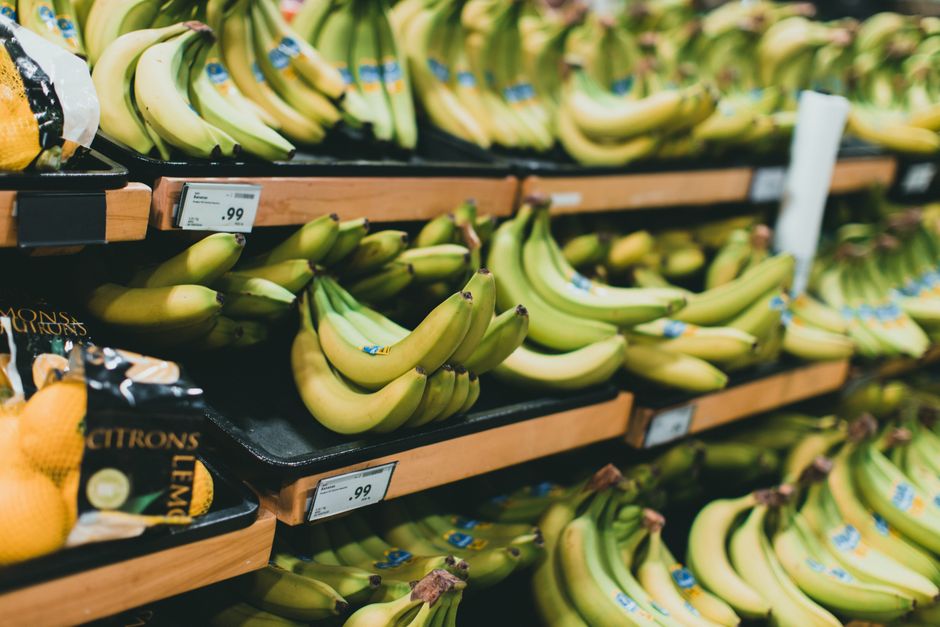
Bananas can help with bloating in some situations and make it worse in others. The difference comes down to what is causing the bloating, how ripe the banana is, and how much you eat. There is no single answer that applies to everyone.
If you are bloated from constipation, a ripe banana may help because it provides fiber and potassium. If you are bloated from gas or a sensitive gut, the same banana could add to the problem. Understanding which situation you are in matters more than the fruit itself.
What Actually Causes Bloating?
Bloating is a feeling of fullness or pressure in the belly. It often comes with visible swelling. The causes vary, and they are not all the same thing.
The most common drivers include swallowed air, gas produced when gut bacteria ferment undigested carbohydrates, constipation, and changes in how the gut muscles move. For some people, bloating is tied to a specific condition like irritable bowel syndrome (IBS). For others, it is simply a response to a large meal or a sudden increase in fiber.
This distinction matters because a banana acts differently depending on which of these is happening. A banana is not a treatment for bloating. It is a food with specific properties that can push the situation in either direction.
Does a Banana Reduce Bloating?
A banana can reduce bloating when the cause is constipation or low potassium. It can worsen bloating when the cause is gas or a sensitive gut. The fruit itself is neutral — your situation determines the outcome.
Here is what a banana brings to the table. A medium banana contains about 3 grams of fiber and roughly 422 milligrams of potassium. Fiber adds bulk to stool and can help move things along if you are constipated. Potassium helps regulate fluid balance in the body, and some bloating is related to fluid retention.
That said, the fiber in bananas is not the most powerful kind for relieving constipation. Other foods, like prunes or oats, have more evidence behind them for that specific purpose. Bananas are helpful but not exceptional in this role.
When Can a Banana Make Bloating Worse?
Bananas can increase bloating in people with gas-related bloating or carbohydrate malabsorption. This is not a rare reaction. It is a predictable result of how the fruit is digested.
Bananas contain fermentable carbohydrates, including fructans. In people with a sensitive gut — particularly those with IBS — these carbohydrates can be fermented by gut bacteria and produce gas. That gas leads to bloating and discomfort.
Ripeness also plays a role. An unripe, green banana contains more resistant starch. Resistant starch is not fully digested in the small intestine. It travels to the colon, where bacteria ferment it. For some people, this is beneficial. For others, it produces noticeable gas and bloating.
A very ripe banana has less resistant starch and more free sugars. That makes it easier to digest for some people, but the fructan content remains. If you have IBS and you know fructans trigger your symptoms, banana may not be your friend regardless of ripeness.





How Ripe Should a Banana Be If You Are Bloated?
A fully ripe banana with brown spots is generally easier on the gut than a green one. As a banana ripens, its resistant starch converts to simpler sugars, which are absorbed earlier in digestion and produce less gas in the colon.
If you are prone to bloating and want to test whether bananas affect you, start with a small portion of a ripe banana. Pay attention to how you feel over the next few hours. There is no clinical guideline that tells you exactly how much banana is safe for a bloated gut. This is a matter of individual tolerance.
Some people find that any banana causes problems. Others eat them daily with no issue. The only reliable way to know is to track your own response.
What About Potassium and Fluid Retention?
Potassium does help the body manage fluid balance, and some bloating is linked to water retention. But the effect of a single banana on fluid-related bloating is modest at best.
Potassium works alongside sodium to regulate the amount of water in your cells and tissues. If your diet is high in sodium and low in potassium, you may retain more fluid. Adding potassium-rich foods can help correct that balance over time. One banana provides about 422 milligrams of potassium, which is a useful contribution but not a dramatic one.
The daily recommendation for potassium for most adults is around 2,600 to 3,400 milligrams, depending on sex and other factors. A banana helps you get there. It will not fix fluid retention on its own.
If you have kidney disease, talk to your doctor before increasing potassium-rich foods. Damaged kidneys cannot filter potassium efficiently, and too much can be dangerous.
Can Bananas Help With Constipation-Related Bloating?
Yes, in some cases. When bloating is caused by constipation, the underlying problem is that stool is not moving through the colon efficiently. Fiber can help by adding bulk and drawing water into the stool.
A banana provides about 3 grams of fiber. That is a reasonable amount, but it is not enough on its own to resolve significant constipation. Most adults need 25 to 30 grams of fiber per day. If you are only getting 10 grams, one banana will not close the gap.
If constipation is your main issue, a banana can be part of the solution. It should not be the whole solution. Water intake, physical activity, and overall fiber from a variety of sources matter more than any single food.
How Does Banana Compare to Other Foods for Bloating?
Bananas are not the first food most clinicians think of for bloating. Other options have stronger evidence or a more direct effect on the underlying cause.
- Prunes: Contain sorbitol and fiber that stimulate bowel movements. Better evidence for constipation than bananas.
- Ginger: Some studies suggest it can speed up stomach emptying, which may ease bloating. Evidence is moderate.
- Peppermint oil: Used in some clinical settings for IBS-related bloating. Evidence is stronger for IBS than for general bloating.
- Low-FODMAP diet: An elimination approach for IBS that removes fermentable carbohydrates, including those in bananas. Should be done with a dietitian.
- Water: Often overlooked. Dehydration can worsen constipation and bloating.
Bananas sit somewhere in the middle. They are nutritious and convenient. They are not a targeted remedy for bloating.
Should You Avoid Bananas If You Have IBS?
Not necessarily. But you should pay attention to how you respond. Bananas contain fructans, which are a FODMAP. In the low-FODMAP diet, bananas are allowed in small amounts when unripe, but larger amounts of ripe banana are restricted.
This does not mean bananas are bad for everyone with IBS. It means that if you have IBS and you notice bloating after eating bananas, the fructan content is a likely reason. Reducing portion size or choosing a less ripe banana may help.
If you are following a low-FODMAP diet, work with a registered dietitian. The diet is complex, and eliminating foods without guidance can lead to nutritional gaps.
What Is the Bottom Line?
A banana is not a bloating cure. It is a food that can help or hurt depending on your situation. If constipation is your issue, a ripe banana may help. If gas or IBS is your issue, it may make things worse.
There is no clinical guideline that recommends bananas specifically for bloating. The evidence for bananas as a bloating remedy is weak. The evidence for bananas as a nutritious food is strong.
If bloating is persistent, severe, or comes with other symptoms like weight loss, blood in stool, or vomiting, see a doctor. Bloating can be a sign of a condition that needs medical attention. Do not try to solve it with fruit alone.
Frequently Asked Questions
Does banana reduce bloating?
It can help if your bloating is caused by constipation or low potassium. It can make bloating worse if the cause is gas or a sensitive gut.
Is banana good for bloating and gas?
No, bananas are not a good choice for gas-related bloating. They contain fermentable carbohydrates that can produce more gas in some people.
Should I eat a green or ripe banana for bloating?
A ripe banana with brown spots is generally easier to digest than a green one. Green bananas contain more resistant starch, which can increase gas in the colon.
How much banana can I eat if I am bloated?
There is no established guideline for banana intake during bloating. Start with a small portion and track your own response.
