
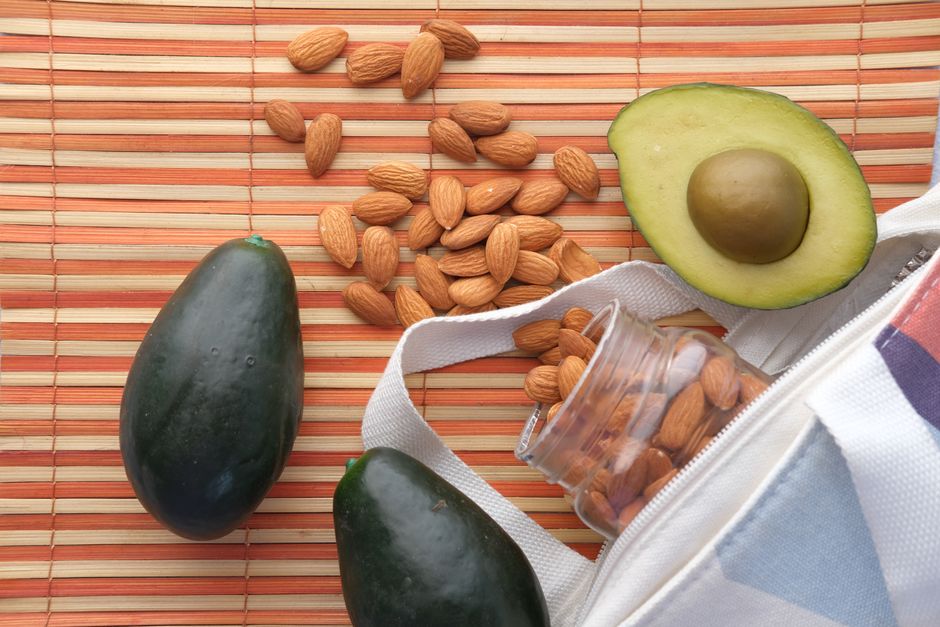
Avocado oil has a mild, buttery, and slightly grassy taste that most people describe as neutral. Unlike olive oil, which can be sharp or peppery, avocado oil is subtle and does not overpower other flavors. Its gentle taste comes from the fruit itself and the way the oil is extracted, making it a versatile choice for cooking and dressings.
Does Avocado Oil Have a Taste Compared to Olive Oil?
Avocado oil and olive oil are both pressed from fruit, but their flavors differ clearly. Extra virgin olive oil often has a bold, fruity, and sometimes bitter or peppery finish. Avocado oil is much milder. It has a smooth, buttery quality with a hint of nuttiness and a faint grassy note.
If you find olive oil too strong for certain dishes, avocado oil is a practical substitute. Its subtle flavor will not compete with the other ingredients. This is why many cooks use it in baking, mayonnaise, and sauces where a clean, neutral base is needed.
The taste difference also comes down to processing. Extra virgin olive oil is unrefined and keeps the strong character of the olives. Avocado oil can be unrefined (cold-pressed) or refined. Unrefined avocado oil has more of the fruit’s natural flavor. Refined avocado oil has almost no taste at all because the processing removes most of the flavor compounds.
Does Avocado Oil Have a Taste When Raw?
Raw avocado oil tastes smooth and mild. You can use it as a salad dressing base or drizzle it over finished dishes without changing the flavor profile much. It adds a light, buttery mouthfeel rather than a distinct taste.
Cold-pressed, unrefined avocado oil is the best choice if you want the subtle natural flavor. It keeps more of the fruit’s character, including a faint green or grassy note. Refined avocado oil is nearly flavorless, which makes it ideal for recipes where you do not want any oil taste at all.
One thing to know: raw avocado oil has a pleasant taste, but it is not a flavor booster. If you want a dressing with personality, you will need to add vinegar, citrus, herbs, or spices. Avocado oil provides the base, not the star.
Does Avocado Oil Have a Taste When Heated?
When heated, avocado oil stays mild and clean. It does not develop a strong or burnt flavor the way some oils do at high temperatures. This is because avocado oil has a high smoke point, which is the temperature at which an oil starts to smoke and break down.
The smoke point of avocado oil is around 480°F (250°C). For comparison, butter smokes at about 350°F (175°C) and extra virgin olive oil at about 375°F (190°C). Because avocado oil can handle higher heat, it is a solid choice for searing, roasting, and frying without introducing off-flavors.
If you heat avocado oil past its smoke point, it will start to taste bitter and acrid, just like any overheated oil. The key is to stay within normal cooking temperatures, which most home cooks do without thinking about it.





Does Refined Avocado Oil Have a Taste?
Refined avocado oil has almost no taste. The refining process uses heat or chemical treatments to remove impurities, color, and flavor compounds. What remains is a pale, neutral oil that does not change the taste of your food.
This makes refined avocado oil useful in recipes where the oil should be invisible. Baking, homemade mayonnaise, and light vinaigrettes benefit from a neutral oil. You get the texture and cooking benefits of avocado oil without any flavor interference.
The trade-off is that refining removes some beneficial plant compounds along with the flavor. Unrefined, cold-pressed avocado oil keeps more of the natural nutrients found in the fruit. If your main goal is flavor neutrality, refined oil works well. If you want more of the fruit’s natural qualities, choose unrefined.
Does Avocado Oil Have a Taste That Goes Bad Over Time?
Avocado oil can go rancid, and rancid oil tastes distinctly bad. The flavor becomes sharp, bitter, and slightly metallic. Some people describe it as smelling like old nuts or play dough. Once an oil turns rancid, it should not be used.
Oxidation causes rancidity. Exposure to light, heat, and air speeds up this process. Storing avocado oil in a cool, dark place with the cap tightly closed helps it last longer. Unopened avocado oil can stay fresh for about one to two years. Once opened, it is best used within six months to a year.
If your avocado oil tastes unpleasant or smells off, trust your senses. The oil has degraded and is not good for cooking. Rancid oil does not just taste bad — it also contains compounds that are not healthy to consume in large amounts.
Does Avocado Oil Have a Taste That Affects Recipes?
Avocado oil’s mild taste makes it one of the most flexible cooking oils available. It works well in both savory and sweet recipes because it does not dominate. This is different from coconut oil, which has a strong tropical flavor, or sesame oil, which is intensely nutty.
Here are some common uses where avocado oil’s neutral flavor is an advantage:
- Baking cakes and muffins without adding an oily taste
- Making mayonnaise that tastes like eggs and lemon, not oil
- Searing meat or fish at high heat without burning
- Roasting vegetables with a light, clean finish
- Whisking into salad dressings that let herbs and vinegar shine
If a recipe calls for a neutral oil like canola or grapeseed, avocado oil is a direct swap. The taste will not change the final dish. The main difference is cost — avocado oil is typically more expensive than canola or vegetable oil.
What Does the Science Say About Avocado Oil Taste?
The taste of avocado oil comes from its chemical makeup. Avocado oil is mostly monounsaturated fat, specifically oleic acid. This is the same fatty acid that gives olive oil its smooth, buttery mouthfeel. Oleic acid is mild and does not carry strong flavor compounds the way shorter-chain fatty acids do.
Unrefined avocado oil also contains small amounts of volatile compounds that contribute to its grassy and slightly fruity notes. These compounds are present in much lower amounts than in olive oil, which is why avocado oil tastes so much more neutral.
One important note: the avocado oil market has had quality problems. Some studies have found that certain commercial avocado oils labeled as extra virgin were actually mixed with other oils or were heavily refined. This means the taste you get can vary by brand. Buying from a reputable producer and checking for cold-pressed, unrefined labels helps ensure you get the true flavor of avocado oil.
Does Avocado Oil Have a Taste You Can Detect in Blind Tests?
In most blind taste tests, people struggle to identify avocado oil by taste alone. Its flavor is so mild that it is often confused with other neutral oils like grapeseed or light olive oil. This is not a flaw — it is the reason avocado oil is so versatile.
If you want to taste the difference, compare unrefined avocado oil side by side with refined avocado oil. The unrefined version will have a slightly greener, more buttery flavor. The refined version will taste like almost nothing. This comparison shows how much processing changes the final product.
For cooking purposes, the practical answer is simple: avocado oil tastes like a very light, smooth, slightly nutty oil. It will not ruin a dish, and it will not make a dish taste like avocado. That is exactly what most cooks want.
Frequently Asked Questions
Does avocado oil taste like avocado?
No. Avocado oil has a mild, buttery flavor with a faint grassy note, but it does not taste like eating a fresh avocado. The flavor is much more subtle and neutral.
Can I use avocado oil instead of olive oil?
Yes, in most recipes. Avocado oil is milder than olive oil, so the dish will have less of an olive flavor. It works well for cooking, baking, and dressings.
Is unrefined avocado oil better than refined?
Unrefined avocado oil keeps more natural flavor and nutrients, while refined oil is nearly flavorless. The better choice depends on whether you want taste or total neutrality.
Why does my avocado oil taste bitter?
Bitter avocado oil is usually rancid or has been overheated past its smoke point. Check the smell and store your oil in a cool, dark place to prevent spoilage.
