
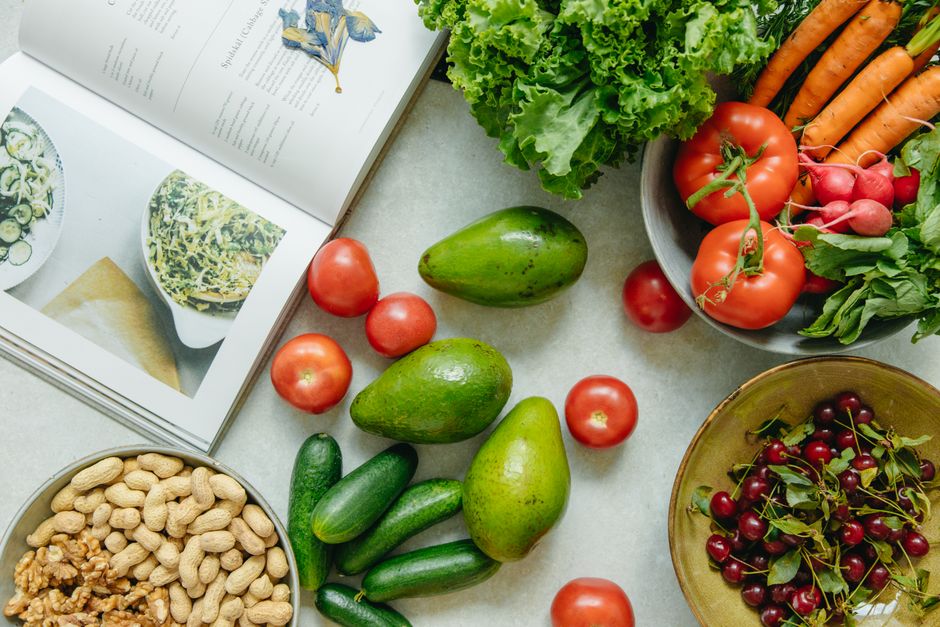
Avocado is one of the most popular fruits in the American diet, but separating food trends from actual science can be difficult. When it comes to inflammation, the evidence points in a clear direction: avocado contains a specific combination of plant compounds and healthy fats that have been shown to reduce inflammatory markers in the body. Research consistently shows that regular avocado consumption is linked to lower levels of systemic inflammation, though it is not a cure for any disease and works best as part of an overall anti-inflammatory eating pattern.
What Causes Inflammation in the Body?
Inflammation is a natural immune response. When tissues are damaged or infected, your immune system sends white blood cells and chemical signals to the area. This acute inflammation is protective and necessary for healing. It causes redness, heat, swelling, and sometimes pain. It normally resolves within days.
Chronic inflammation is different. It persists for months or years at a low level throughout the body. This type of inflammation is linked to many serious conditions, including heart disease, type 2 diabetes, arthritis, and some cancers. Chronic inflammation often has no obvious symptoms, which is why it is sometimes called a silent process.
Diet plays a real role in chronic inflammation. Certain foods trigger inflammatory pathways, while others appear to dampen them. Avocado falls into the latter category based on its nutrient profile and the results of human intervention studies.
Does Avocado Help With Inflammation The Evidence?
Yes, the evidence supports that avocado reduces markers of inflammation in the body. A well-known randomized controlled trial published in the Journal of the American Heart Association found that eating one avocado per day for six months lowered LDL cholesterol and reduced inflammatory markers in overweight and obese adults. This study stands out because it was a controlled feeding trial, meaning participants received the food directly and compliance was measured.
Other research has looked at broader dietary patterns. Data from the National Health and Nutrition Examination Survey (NHANES), which tracks the health of thousands of US adults, found that avocado consumers had significantly lower levels of C-reactive protein (CRP), a key blood marker of inflammation, compared to non-consumers. This association held even after adjusting for body weight and other lifestyle factors.
It is important to note that association does not prove causation. Observational data cannot rule out that avocado eaters simply have healthier lifestyles overall. However, the controlled trials that feed participants specific amounts of avocado strengthen the case that the fruit itself has anti-inflammatory properties.
What Compounds in Avocado Fight Inflammation?
Avocado does not contain a single magic molecule. Its anti-inflammatory effect likely comes from several compounds working together.
Monounsaturated fats. Avocado is rich in oleic acid, the same fat found in olive oil. Oleic acid has been shown to reduce inflammatory signaling in cells. Replacing saturated fats with monounsaturated fats is a well-established dietary strategy for lowering inflammation.
Carotenoids. These are plant pigments that act as antioxidants. Avocado contains lutein, zeaxanthin, and beta-carotene. These compounds neutralize free radicals, which are reactive molecules that can damage cells and trigger inflammatory responses.
Polyphenols. These plant chemicals have antioxidant and anti-inflammatory activity. Avocado contains several types, including flavonoids and phenolic acids. Research suggests these compounds can inhibit the activity of enzymes that promote inflammation.
Potassium and magnesium. These minerals support normal cell function. Low magnesium levels have been linked to higher inflammation, and avocado is a good dietary source of magnesium.
The combination matters. When you eat whole avocado, these compounds are absorbed together, and some research suggests this creates a stronger effect than any single nutrient taken alone.
How Much Avocado Do You Need to Eat?
Clinical trials have used different amounts. The most rigorous study used one whole avocado per day. Other research has shown benefits with half an avocado daily. The US Dietary Guidelines for Americans suggest that a serving of avocado is about one-third of a medium fruit, which is roughly 50 grams.
There is no established minimum dose for anti-inflammatory effects. The evidence does not support eating more than one avocado per day for extra benefit. Avocado is calorie-dense, containing about 240 calories per whole fruit. Eating it in place of other foods, not in addition to them, is the most sensible approach.
Regularity matters more than quantity. Eating avocado daily appears to produce more consistent effects on inflammatory markers than eating it occasionally. This aligns with how most dietary patterns work — consistent intake produces measurable changes, while sporadic intake does not.
Does the Type of Avocado Matter?
Most research has been done on Hass avocados, which are the most common variety in US grocery stores. Other varieties like Fuerte and Bacon have similar nutrient profiles. The differences between varieties are small and unlikely to change the anti-inflammatory effect.
Ripeness may matter slightly. As avocado ripens, its antioxidant content can increase. A ripe avocado that yields to gentle pressure has a softer texture and a richer flavor. Both ripe and unripe avocados still contain the core nutrients that contribute to anti-inflammatory effects.
How you eat avocado also influences its benefits. Guacamole made with fresh ingredients retains the nutrients. Avocado oil, which is extracted from the fruit, contains the healthy fats but loses most of the fiber and some of the antioxidants. Whole avocado provides more complete nutrition than the oil alone.
Can Avocado Replace Anti-Inflammatory Medication?
No. This is critical to understand. Avocado is a food, not a drug. It can support an anti-inflammatory diet, but it cannot replace prescribed medications for conditions like rheumatoid arthritis, inflammatory bowel disease, or autoimmune disorders.
Medications like NSAIDs, corticosteroids, and biologic therapies work through specific molecular pathways that food cannot replicate. The anti-inflammatory effect of avocado is modest compared to pharmaceutical options. It operates at the level of diet and lifestyle, not acute medical intervention.
If you have a diagnosed inflammatory condition, continue your treatment plan. Discuss any major dietary changes with your doctor. Avocado can be part of a healthy diet for most people, but it is not a substitute for medical care.
Are There Any Downsides to Eating Avocado?
Avocado is safe for most people, but there are a few considerations. People with a latex allergy may experience cross-reactivity with avocado. This happens because some proteins in avocado are similar to proteins in latex. Symptoms can include itching, hives, or digestive discomfort.
Avocado is high in potassium. People with advanced kidney disease who need to restrict potassium should talk to their doctor before increasing avocado intake. For everyone else, the potassium in avocado is beneficial for blood pressure regulation.
Some people experience digestive discomfort after eating avocado. This is usually due to the high fiber content, especially if you are not used to eating fiber-rich foods. Starting with a small amount and gradually increasing intake can help your digestive system adjust.
What Else Reduces Inflammation Alongside Avocado?
Avocado works best as part of a broader anti-inflammatory eating pattern. The Mediterranean diet, which emphasizes vegetables, fruits, whole grains, fish, nuts, and olive oil, has the strongest evidence base for reducing inflammation. Avocado fits naturally into this pattern.
Other foods with documented anti-inflammatory effects include fatty fish rich in omega-3s, leafy green vegetables, berries, nuts, and extra virgin olive oil. Reducing intake of ultra-processed foods, refined carbohydrates, and sugary drinks is equally important. Removing pro-inflammatory foods matters as much as adding anti-inflammatory ones.
Lifestyle factors also influence inflammation. Regular physical activity, adequate sleep, stress management, and maintaining a healthy weight all contribute. Diet alone rarely overcomes the effects of chronic sleep deprivation or a sedentary lifestyle.
Frequently Asked Questions
How quickly does avocado reduce inflammation?
Some studies show changes in inflammatory markers within weeks of daily avocado consumption. Consistent intake over several months produces the most reliable effects.
Is avocado oil as good as whole avocado for inflammation?
Avocado oil contains the healthy fats but lacks the fiber and some antioxidants found in the whole fruit. Whole avocado provides more complete anti-inflammatory nutrition.
Can eating avocado cause inflammation in some people?
Avocado is not known to trigger inflammation in most people. Individuals with a latex allergy may have an allergic reaction, which is different from dietary inflammation.
