
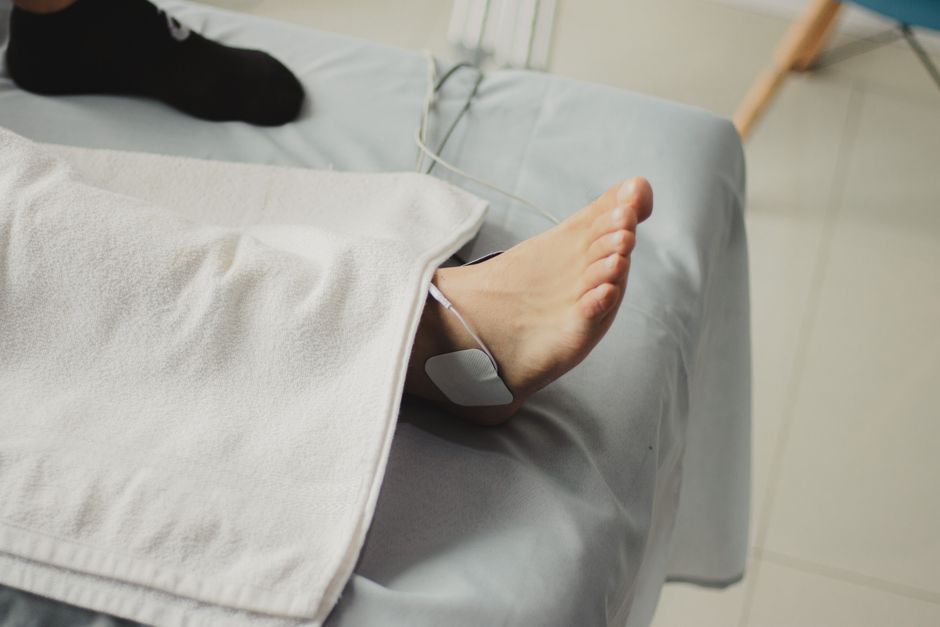
Athlete’s foot can hurt, and for many people, the itching is the first sign. The pain often feels like burning, stinging, or soreness between the toes or on the soles of the feet. The level of discomfort ranges from a mild annoyance to sharp pain that makes walking difficult, depending on how severe the infection has become.
What Exactly Causes the Pain?
Athlete’s foot is a fungal infection caused by dermatophytes, which are fungi that feed on keratin in your skin. The medical name for the condition is tinea pedis. These fungi thrive in warm, damp environments, which is why the spaces between your toes are a prime target.
The pain you feel is not the fungus itself. It is your skin’s reaction to the infection. The fungus releases enzymes that break down the skin’s outer layer. This triggers an inflammatory response from your immune system. That inflammation causes the redness, swelling, and discomfort you experience.
As the skin breaks down, it can crack. Cracked skin is painful on its own. When the cracks are deep enough, they expose the raw, sensitive layers of skin underneath. This is when simple walking or wearing shoes becomes noticeably sore.
What Does the Pain Feel Like?
People describe athlete’s foot pain differently depending on the type of infection they have. There are three main forms, and each feels a bit different.
Interdigital infection is the most common. It starts between the fourth and fifth toes. The skin becomes white, soft, and peeling. This form itches intensely. When the skin cracks, it burns and stings, especially when water or sweat touches it.
Moccasin-type infection affects the entire sole of the foot. The skin thickens and becomes scaly. In this form, the pain is less of a sharp sting and more of a deep, dull ache. Over time, the skin can crack along the heel, which is painful with every step.
Vesicular infection is less common but more painful. It causes fluid-filled blisters to form, usually on the instep or between toes. These blisters can burst, leaving raw, weeping skin that stings severely. This form can be so uncomfortable that some people mistake it for a bacterial infection.
Why Does It Hurt More at Certain Times?
Several everyday situations can make the pain worse. Understanding these triggers can help you manage the discomfort while you treat the infection.
Heat makes inflammation worse. When you wear closed shoes, your feet warm up. The increased temperature boosts blood flow to the infected area, which intensifies the burning sensation. This is why many people notice their feet hurt more by the end of the workday than in the morning.
Sweat is another aggravator. Moisture softens the already damaged skin further. This deepens cracks and can turn a mild sting into a sharper pain. Walking barefoot on rough surfaces also hurts because the protective top layer of skin is already compromised.
Scratching makes things worse. The itch is strong, but scratching tears the fragile skin. This converts a purely fungal problem into a mixed problem that may include bacterial infection, which is significantly more painful and requires different treatment.



Is It Always Painful?
No. Some people have athlete’s foot for weeks or months without any pain. They may only notice mild flaking or dryness on their feet. This is more common in the moccasin-type infection, which can initially feel like nothing more than dry skin.
The absence of pain does not mean the infection is gone. The fungus is still active and still contagious. You can pass it to other people or to other parts of your own body, like your hands or groin, even when your feet do not hurt.
Pain typically appears when the infection is more established. The longer the fungus goes untreated, the more skin damage occurs. Eventually, inflammation builds to the point where it becomes noticeable. For many people, the pain is what finally prompts them to see a doctor or start treatment.
How Long Does the Pain Last?
With proper treatment, the pain usually improves within a few days. Over-the-counter antifungal creams, sprays, and powders are effective for most cases. The itching often subsides within 24 to 48 hours of starting treatment. The burning and stinging typically follow shortly after.
Full healing of the skin takes longer. Even after the pain stops, the skin needs time to repair itself. Cracks and fissures may take one to two weeks to close completely. The skin may look scaly or flaky for several weeks even though the infection is clearing.
If you treat the infection and the pain does not improve within two weeks, see a doctor. This could mean the infection is resistant to the over-the-counter medication, or that a bacterial infection has developed on top of the fungal one. Bacterial infections require antibiotics, not antifungals.
When Should You See a Doctor?
Most athlete’s foot cases do not require a doctor’s visit. Over-the-counter treatments work well for healthy adults. However, certain situations require professional medical attention.
See a doctor if you have diabetes. People with diabetes have reduced blood flow to their feet and slower healing. A small crack can quickly become a serious ulcer. Foot infections in diabetics are a leading cause of serious complications, so do not wait to seek care.
See a doctor if the skin is hot, swollen, or oozing pus. These are signs of a bacterial infection. You may also develop a fever. This combination requires prescription treatment and should not be managed at home.
See a doctor if the infection keeps returning. Some people get athlete’s foot repeatedly despite good hygiene and consistent treatment. A doctor can prescribe stronger antifungal medication, either topical or oral, to break the cycle.
Can You Prevent the Pain?
Preventing athlete’s foot is largely about keeping your feet dry. The fungus needs moisture to survive and multiply. Deny it moisture, and you deny it a foothold.
Dry your feet thoroughly after showering, especially between your toes. Many people dry the tops and bottoms of their feet but miss the spaces between toes, which are the most vulnerable areas. Use a clean towel and pat the skin dry rather than rubbing.
Wear breathable shoes and change your socks daily. Cotton socks absorb moisture but hold it against the skin. Synthetic athletic socks are designed to wick moisture away. If your feet sweat heavily, changing socks mid-day can help.
Do not walk barefoot in public locker rooms, showers, or pool areas. These floors are frequently contaminated with the fungus. Wearing flip-flops or shower shoes creates a physical barrier between your feet and the contaminated surface.
Does Scratching Spread the Infection?
Yes. Scratching your infected feet and then touching other parts of your body can spread the fungus. This is how athlete’s foot becomes jock itch or a fungal infection on your hands. The fungus is transferred on your fingers.
Scratching also increases your risk of a secondary bacterial infection. Your fingernails carry bacteria. When you scratch broken, inflamed skin, you push those bacteria into the open cracks. This is one of the most common ways a simple fungal infection becomes a painful, complicated medical problem.
If the itch is unbearable, apply a cool compress or take an oral antihistamine to reduce the urge to scratch. Treat the infection promptly. The itch is driven by the active fungus, and it will not stop until the fungus is controlled.
Does Athlete’s Foot Hurt All the Time?
No. The pain is often intermittent. You may feel fine in the morning and experience significant discomfort by evening. This variation is normal and relates to your activity level, shoe choice, and how much you have been on your feet.
The pain also depends on the stage of the infection. Early athlete’s foot may only itch. As the skin breaks down and cracks form, pain emerges. If the infection spreads to the entire sole, the pain becomes more constant and ache-like.
Treating the infection early is the best way to minimize pain. Do not wait for the discomfort to become severe before starting treatment. The longer the fungus is active, the more skin damage occurs, and the longer recovery takes.
Frequently Asked Questions
Can athlete’s foot go away on its own?
Sometimes, but it is not reliable. Mild cases may resolve if the feet are kept completely dry for an extended period, but most infections persist and worsen without antifungal treatment.
Is athlete’s foot pain a sign of a serious problem?
Not usually. Pain is a common symptom of the infection itself. However, if the pain is severe, accompanied by swelling, or you have diabetes, it warrants medical evaluation.
How soon after starting treatment does the pain stop?
Most people feel significant relief within a few days of starting antifungal treatment. The itching typically stops first, followed by the burning and stinging within about a week.
Can I exercise with athlete’s foot?
You can, but it may make the pain worse. Sweat and heat increase inflammation. If you exercise, dry your feet thoroughly afterward and apply your antifungal treatment promptly.
