

Alcohol can lower hemoglobin levels, but it usually does not do so on its own in people who drink moderately. The more common pattern is that heavy, long-term drinking damages the body’s ability to produce red blood cells, and hemoglobin falls as a result. Hemoglobin is the iron-rich protein inside red blood cells that carries oxygen from your lungs to the rest of your body. When it drops, the result is anemia — and alcohol-related anemia is a real, well-documented condition.
What Is Hemoglobin and Why Does It Matter?
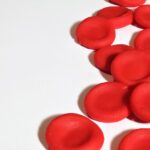
Hemoglobin is the protein that gives blood its red color and does the actual work of oxygen transport. Each red blood cell contains roughly 270 million hemoglobin molecules, and each one can carry four oxygen molecules. That is how oxygen gets from your lungs to your muscles, brain, and organs.
Doctors measure hemoglobin as part of a complete blood count (CBC). Normal ranges are well established in clinical references:
- Adult men: about 13.5 to 17.5 grams per deciliter (g/dL)
- Adult women: about 12.0 to 15.5 g/dL
These are reference ranges, not strict cutoffs. A hemoglobin below the normal range for your sex and age generally defines anemia, though clinicians interpret it alongside other values like hematocrit, red blood cell count, and mean corpuscular volume (MCV).
Hemoglobin matters because low levels mean less oxygen reaching your tissues. That shows up as fatigue, shortness of breath, pale skin, dizziness, and a racing heart — symptoms that are easy to blame on stress or poor sleep.
Does Alcohol Lower Hemoglobin Levels?
Heavy alcohol use can lower hemoglobin, and the evidence for this is solid. Alcohol affects red blood cells through several distinct mechanisms, and they can overlap.
The first is direct bone marrow suppression. Red blood cells are made in bone marrow, and alcohol is toxic to that process. Alcohol and its breakdown product acetaldehyde interfere with the maturation of red blood cell precursors. This is one reason heavy drinkers can develop anemia even when their diet is adequate.
The second is nutritional deficiency. Long-term heavy drinking is strongly associated with low levels of folate, vitamin B12, and vitamin B6 — all needed to build healthy red blood cells. Alcohol also impairs absorption of these nutrients in the gut and increases their loss through urine. Folate deficiency is particularly common in heavy drinkers.
The third is gastrointestinal bleeding. Alcohol irritates the stomach lining and can contribute to ulcers and inflammation of the esophagus. Chronic slow blood loss depletes iron stores over time, leading to iron deficiency anemia.
The fourth is liver damage. The liver stores iron and helps regulate red blood cell production. When the liver is damaged by long-term alcohol use, that regulation breaks down. Some people with advanced liver disease develop anemia; others develop the opposite problem, where red blood cells are destroyed faster than they are made.
One point worth being clear about: moderate drinking — generally defined as up to one drink per day for women and up to two for men in US dietary guidance — has not been consistently shown to lower hemoglobin in healthy people. The hemoglobin-lowering effect is tied mainly to heavy and chronic use.
How Much Alcohol Causes Low Hemoglobin?
There is no single threshold that applies to everyone. The relationship between alcohol and hemoglobin depends on how much you drink, for how long, your nutritional status, your genetics, and whether you have liver disease or another underlying condition.
What the clinical literature does show clearly is that the risk rises with heavy, sustained drinking. People who drink heavily for years are far more likely to develop anemia than light or moderate drinkers. Binge drinking episodes can also cause temporary changes in blood counts, though the long-term effects come from chronic use.
This is one area where giving a precise number would be misleading. Some people develop anemia after years of heavy drinking; others with similar habits do not. Genetics, diet, and coexisting medical conditions all shift the picture. If you are concerned about your drinking and your blood counts, a CBC ordered by a clinician is the only way to know where you stand.



What Are the Symptoms of Alcohol-Related Anemia?
Symptoms of low hemoglobin are the same whether the cause is alcohol, iron deficiency, or something else. The difference is in how they develop.
Alcohol-related anemia tends to come on gradually. Early on, you may notice:
- Unusual tiredness or weakness
- Shortness of breath with mild exertion
- Pale or yellowish skin
- Dizziness or lightheadedness
- Fast or irregular heartbeat
- Cold hands and feet
- Headaches
Because these symptoms overlap with so many other conditions — poor sleep, stress, depression, thyroid problems — they are often missed. Many people with alcohol-related anemia only find out through routine blood work.
Some signs are more specific. A smooth, sore tongue (glossitis) can point to folate or B12 deficiency. Tingling or numbness in the hands and feet suggests nerve involvement, which is more typical of B12 deficiency. Yellowing of the eyes or skin can indicate that red blood cells are being destroyed faster than normal, a pattern seen in some alcohol-related conditions.
How Is Alcohol-Related Anemia Diagnosed?
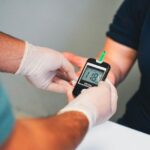
Diagnosis starts with a complete blood count. A low hemoglobin or hematocrit is the first clue. From there, doctors look at the size of the red blood cells, measured as mean corpuscular volume (MCV).
The MCV pattern helps narrow down the cause:
- High MCV (macrocytic anemia): often points to folate or B12 deficiency, or direct alcohol toxicity on the bone marrow
- Low MCV (microcytic anemia): often points to iron deficiency, which can result from chronic GI bleeding
- Normal MCV: can occur with anemia of chronic disease, including liver disease
Additional tests usually include iron studies (ferritin, transferrin saturation), vitamin B12 and folate levels, liver function tests, and sometimes a peripheral blood smear. A blood smear can reveal specific red blood cell shapes that point toward particular causes — for example, round cells without the normal central pallor suggest a specific type of alcohol-related anemia.
If GI bleeding is suspected, a doctor may recommend endoscopy or colonoscopy. If liver disease is suspected, imaging and additional liver tests help clarify the picture. A careful drinking history is also part of the workup, though people often underreport how much they drink — sometimes unintentionally.
Can Low Hemoglobin From Alcohol Be Reversed?
Yes, in many cases it can improve — but the path depends on how much damage has occurred and whether you stop drinking.
For someone with early alcohol-related anemia and no significant liver damage, cutting out alcohol and correcting nutritional deficiencies can allow hemoglobin to recover. The bone marrow is remarkably good at rebuilding red blood cells once the toxic exposure stops. Recovery timelines vary widely. Some people see improvement within weeks; others take months, especially if they were severely anemic or had long-standing deficiencies.
Nutritional correction matters. Folate, vitamin B12, and iron supplementation may be needed, but only under medical guidance — iron supplements in particular can be harmful if iron levels are already normal or high, which happens in some liver conditions. Do not self-prescribe iron.
If liver disease is already advanced, the picture is more complicated. Anemia from cirrhosis or alcohol-related liver damage may not fully reverse even with abstinence, because the underlying organ damage affects how the body regulates blood production and destruction. In those cases, treatment focuses on managing the liver disease and supporting blood counts as needed.
What Else Can Lower Hemoglobin?
Alcohol is only one possible cause. Many conditions produce the same low hemoglobin reading, and identifying the right one matters for treatment.
- Iron deficiency: from poor diet, heavy menstrual bleeding, or GI blood loss
- Vitamin B12 or folate deficiency: from diet, absorption problems, or certain medications
- Chronic kidney disease: the kidneys produce erythropoietin, a hormone that signals red blood cell production
- Chronic inflammatory conditions: rheumatoid arthritis, inflammatory bowel disease, and others can suppress red blood cell production
- Bone marrow disorders: aplastic anemia, myelodysplastic syndromes, and others
- Genetic conditions: thalassemia, sickle cell disease
- Medications: some antibiotics, chemotherapy drugs, and others can suppress blood counts
Because the causes overlap, a low hemoglobin result on its own does not tell you what is wrong. That is why follow-up testing matters. Assuming alcohol is the cause without ruling out iron deficiency, B12 deficiency, or kidney disease can delay treatment for a condition that has nothing to do with drinking.
Frequently Asked Questions
Does moderate alcohol consumption lower hemoglobin?
Moderate drinking has not been consistently shown to lower hemoglobin in healthy people. The hemoglobin-lowering effect is mainly linked to heavy, long-term alcohol use.
How long does it take for hemoglobin to return to normal after quitting alcohol?
Recovery timelines vary widely depending on how low hemoglobin dropped and whether nutritional deficiencies or liver damage are present. Some people improve within weeks, while others take months.
Can a single night of heavy drinking cause anemia?
A single episode of heavy drinking does not cause anemia. Anemia from alcohol develops from repeated heavy use over time, often combined with poor nutrition or chronic bleeding.
Should I take iron supplements if alcohol lowered my hemoglobin?
Not without testing. Iron supplements can be harmful if your iron levels are already normal or high, which happens in some liver conditions. Only take iron if a clinician confirms iron deficiency.
