
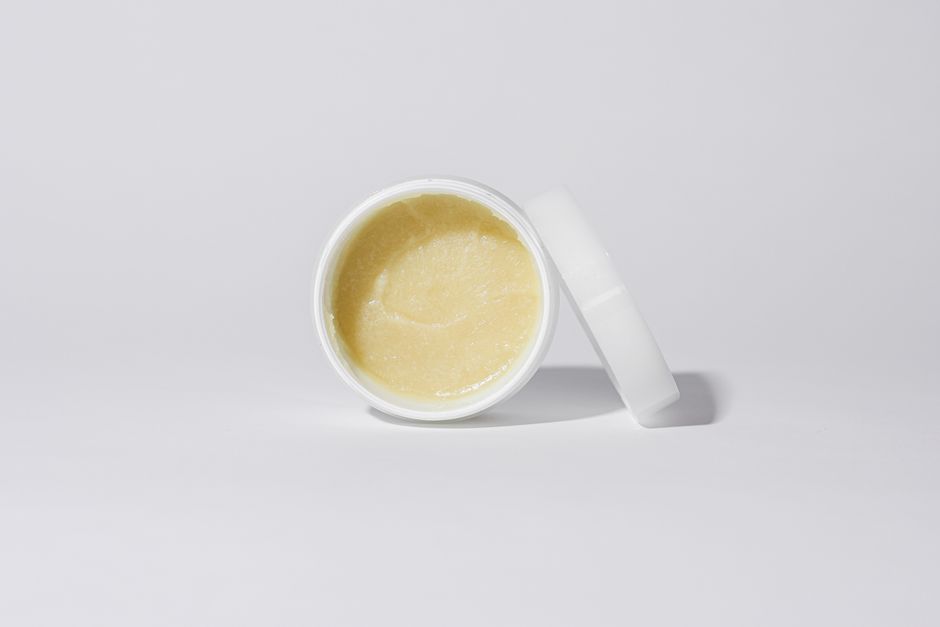
African shea butter does not lighten skin. It has no bleaching action, and no clinical evidence shows it reduces melanin or changes skin color. What it does well is moisturize and calm irritated skin. Those are real benefits — just not the one people search for.
The confusion likely comes from marketing. Shea butter shows up in plenty of “brightening” products, but in those formulas it is usually a base ingredient carrying other actives. On its own, shea butter is a fat, not a lightener.
What Is African Shea Butter Actually Made Of?
Shea butter is the fat pressed from the nuts of the shea tree, which grows across West and Central Africa. It has been used as a skin and hair treatment in that region for centuries.
Its composition explains almost everything it does. Shea butter is roughly half oleic acid and stearic acid, with smaller amounts of linoleic acid and palmitic acid. It also contains vitamin E, vitamin A, and a group of compounds called triterpenes. The unsaponifiable fraction — the part that is not fat — makes up a small share of the total but carries much of the biological activity researchers have studied.
That fatty acid profile is why shea butter feels rich and spreads well at body temperature. It melts near skin temperature and forms a semi-occlusive layer on the surface. “Semi-occlusive” means it slows water loss from the skin without sealing it completely.
None of these components interact with melanin. That is the central point, and it is worth understanding why.
Does African Shea Butter Lighten Skin What Science Shows About Melanin
Melanin is the pigment that gives skin its color. It is produced by cells called melanocytes, which sit in the deeper layer of the epidermis. The amount and type of melanin you have is largely set by genetics.
Skin lightening happens when something interferes with that production. The best-studied example is hydroquinone, which inhibits an enzyme called tyrosinase that melanocytes need to make melanin. Other lightening agents work through different routes — some block tyrosinase too, others interfere with melanin transfer or increase skin turnover.
Shea butter does none of this. Its fatty acids and vitamins sit on and in the outer skin layers. They do not reach melanocytes in a way that changes pigment production, and no mechanism has been proposed that would let them.
What shea butter can do is make skin look more even in a different sense. Dry, flaky skin scatters light unevenly and can look dull or ashy. Well-moisturized skin reflects light more smoothly. If someone notices their skin looks “brighter” after using shea butter, that is usually a hydration effect, not a pigment change. The melanin is exactly where it was.
This distinction matters. A moisturizer improving the appearance of dry skin is not the same as a lightening agent reducing pigment. Marketing language often blurs the two.
Why Do Some People Think Shea Butter Bleaches Skin?
Several things feed this belief.
The first is product labeling. Many creams marketed for “brightening” or “toning” contain shea butter alongside actual lightening ingredients. People see results from the whole formula and credit the shea butter. The shea butter was never the active part.
The second is the word “brightening” itself. In skincare marketing it can mean several different things — reducing dullness, fading dark spots, or genuinely lightening skin tone. These are not the same claim, and the labeling does not always make the difference clear.
The third is simple hydration. As described above, moisturized skin can look more luminous. That is a real visual change, but it is temporary and reverses when skin dries out again.
There is also a harder truth worth naming. Some products sold as shea butter, particularly in informal markets, have been found to contain added bleaching agents. If a “shea butter” product visibly lightens skin, the most likely explanation is that something else is in it. Unlabeled or adulterated cosmetics are a documented problem in several countries.
What Has Research Actually Found About Shea Butter?
The research on shea butter centers on its fat content and its effect on the skin barrier — not on pigmentation.
Shea butter’s fatty acids and triterpenes have shown anti-inflammatory activity in laboratory and animal studies. Some human studies suggest shea butter can improve skin hydration and reduce signs of irritation. These findings are consistent with its long traditional use for dry, cracked, or inflamed skin.
What the research does not show is any lightening effect. There is no body of clinical evidence demonstrating that shea butter reduces melanin, fades hyperpigmentation, or changes skin tone. If such evidence existed, it would be easy to find, because the demand for lightening products is enormous.
It is worth being precise here. “No evidence of lightening” is not the same as “proven not to lighten.” But the burden of proof sits with the claim, and the claim has not been met. The physiology also gives no reason to expect it would work.
Does Shea Butter Help With Dark Spots or Hyperpigmentation?
Hyperpigmentation — dark patches from sun exposure, acne, or inflammation — is a different problem from overall skin tone. It is still a melanin issue, just localized.
Shea butter is not a treatment for hyperpigmentation. It will not fade dark spots, because fading them requires interfering with melanin production or transfer. Shea butter does not do that.
Where it may help indirectly is in supporting the skin barrier. If skin is dry and irritated, that irritation can sometimes worsen post-inflammatory hyperpigmentation. Keeping skin moisturized and calm is reasonable general care. But that is supportive care, not treatment, and it should not be confused with an active fading agent.
People dealing with significant hyperpigmentation usually need ingredients with actual evidence behind them, and often a dermatologist’s input — especially for darker skin tones, where some treatments carry a risk of worsening the problem if used incorrectly.
What Is Shea Butter Actually Good For?
Shea butter is a solid, effective moisturizer. That is its real strength, and it is not a small one.
Its semi-occlusive nature helps reduce water loss from the skin. Its fatty acids and vitamins support the skin barrier. It is generally well tolerated, though anyone can react to anything, and tree nut allergies are worth considering since shea is a nut-derived fat.
Reasonable uses include:
- Moisturizing dry or rough skin, especially on elbows, knees, and heels
- Soothing dry, cracked skin in cold or dry climates
- Supporting the skin barrier in people prone to dryness
- Conditioning hair and scalp in some traditional and modern uses
What it is not for is changing skin color. If that is the goal, shea butter is the wrong tool, and no amount of it will produce that result.
Is Skin Lightening Safe to Pursue at All?
This question sits behind a lot of shea butter searches, so it deserves a direct answer.
Skin lightening is a real medical practice in some contexts. Hydroquinone, for example, is used under medical supervision for certain pigmentation disorders. That is different from using unregulated lightening creams for cosmetic tone change.
The unregulated market is where the serious risks live. Some cosmetic lightening products have been found to contain mercury, high-strength steroids, or other ingredients not listed on the label. Mercury-containing skin products have caused documented cases of poisoning. Steroid creams used long-term on the face without supervision can thin the skin and cause other problems.
This is not a reason to fear shea butter, which is not a lightening product. It is a reason to be careful with anything that promises to change skin color, especially if it is unlabeled or sold without oversight.
How to Tell If a Shea Butter Product Contains Something Else
If a product labeled as shea butter produces visible lightening, treat that as a warning sign rather than a feature.
A few things worth checking:
- Read the full ingredient list, not just the front label
- Look for lightening actives like hydroquinone, mercury compounds, or corticosteroids
- Be cautious with products that have no ingredient list at all
- Be skeptical of fast, dramatic results from a “natural” product
Pure shea butter has a mild, nutty smell and a soft, solid texture that melts on contact with skin. It does not lighten. If a product does, something in it is doing the work — and it may not be something you want on your skin.
The Bottom Line on Shea Butter and Skin Color
African shea butter is a moisturizer, not a lightener. It supports the skin barrier and helps with dryness. It does not reduce melanin, fade dark spots, or change skin tone.
If you want softer, calmer, better-hydrated skin, shea butter is a reasonable choice with a long history of use and a plausible mechanism behind its effects. If you want lighter skin, shea butter will not deliver that, and the products that do carry real risks that are worth understanding before you use them.
Frequently Asked Questions
Does African shea butter lighten skin?
No. Shea butter has no lightening action and does not reduce melanin or change skin color. Its benefits are moisturizing and skin barrier support.
Why does my skin look brighter after using shea butter?
Well-moisturized skin reflects light more evenly, which can look brighter or less dull. This is a hydration effect, not a change in pigment, and it fades when skin dries out again.
Can shea butter fade dark spots or hyperpigmentation?
No. Fading dark spots requires interfering with melanin production or transfer, which shea butter does not do. It may support the skin barrier, but that is not the same as treating hyperpigmentation.
Is it safe to use shea butter on my face?
Shea butter is generally well tolerated and can be used on the face, though it is rich and may not suit oily or acne-prone skin. Anyone with a tree nut allergy should check with a doctor first.
