
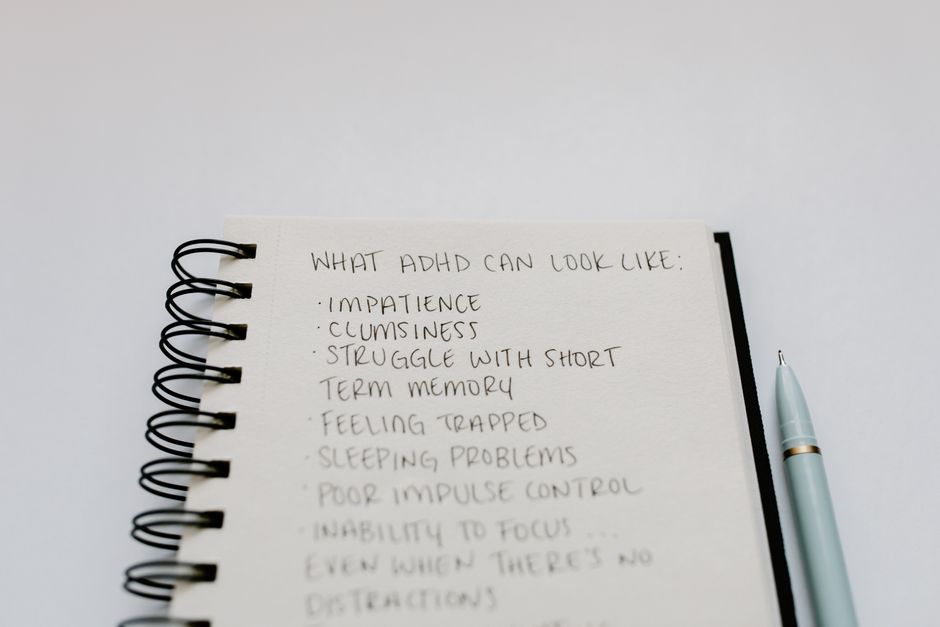
Yes, ADHD affects impulse control. It is one of the core symptoms of the condition. People with ADHD often act without thinking, interrupt others, or make hasty decisions. This happens because the brain areas that manage self-control work differently in ADHD. Understanding this link is key to managing symptoms effectively.
What Is Impulse Control and How Does ADHD Change It?
Impulse control is the ability to stop and think before you act. It lets you resist a strong urge, wait your turn, or choose a long-term reward over an immediate one. In ADHD, this skill does not work as well as it should.
The part of the brain responsible for impulse control is the prefrontal cortex. This area helps you plan, weigh consequences, and hit the brakes on automatic reactions. In people with ADHD, the prefrontal cortex develops more slowly and is less active during tasks that require self-control. Studies using brain scans have confirmed this difference.
Low levels of the neurotransmitter dopamine also play a role. Dopamine helps the brain signal “stop” when needed. Without enough dopamine signaling, it is harder to resist impulses. That is why impulse control problems are not a sign of bad character. They are a biological difference.
The Neuroscience Behind ADHD and Impulse Control
Three brain networks are especially important for impulse control. The first is the prefrontal cortex, which acts as the brake. The second is the basal ganglia, which helps start and stop actions. The third is the anterior cingulate cortex, which detects conflict and errors.
In ADHD, these networks do not communicate as efficiently. The brake is weaker, so impulses break through more often. This is not a choice. It is a wiring issue. Research consistently shows that ADHD brains have structural and functional differences in these regions.
One well-known study found that children with ADHD have a three-year delay in the development of the prefrontal cortex compared to their peers. By adulthood, the brain often catches up, but impulse control may still lag behind due to long-term habits and ongoing dopamine problems.
Dopamine transporter levels are also higher in ADHD brains. This means dopamine is cleared from the synapse faster, leaving less available to send clear signals. This chemical imbalance directly affects how well the brain can regulate impulses.
Real-Life Examples of Poor Impulse Control in ADHD
Impulse control problems in ADHD look different in children and adults. In children, they often show up as blurting out answers, grabbing toys from others, or running into the street without looking. These actions are not willful disobedience. The child’s brain is not signaling the same sense of risk it signals in a neurotypical child.
In adults, impulsivity can appear as interrupting conversations, buying things on a whim, quitting a job suddenly, or saying something hurtful before thinking. adults with ADHD may also struggle with emotional impulsivity—having quick, intense reactions that seem out of proportion to the situation.
It is important to note that not everyone with ADHD experiences impulsivity the same way. Some people have mostly inattentive symptoms, such as trouble focusing and forgetfulness, without significant impulse control problems. The hyperactive-impulsive and combined types typically have more visible impulsivity.





Does ADHD Affect Impulse Control at All Ages?
Yes, but the impact shifts over time. Children with ADHD often show the most obvious impulsive behaviors because the prefrontal cortex is still developing. As children grow into adolescents, brain maturation continues, and some impulsive behaviors become more controlled. However, many adults with ADHD continue to struggle with impulsivity in subtler ways.
In adults, impulsivity is more likely to affect decision-making, finances, and relationships. Research shows that adults with ADHD are more likely to have car accidents, credit card debt, and divorces—outcomes linked to impulsive choices. These are not moral failings. They are consequences of a brain that has difficulty applying the brakes in the moment.
The good news is that impulse control can improve with treatment. Behavioral strategies, medication, and coaching can help strengthen the brain’s ability to pause before acting.
Treatment Options for Impulse Control in ADHD
Several approaches can help reduce impulsivity in ADHD. Stimulant medications, such as methylphenidate and amphetamine-based drugs, are the most studied and effective interventions. They work by increasing dopamine levels in the brain, which helps the prefrontal cortex function better. Many people with ADHD report feeling less impulsive once they start medication.
Behavioral therapy is also helpful. Cognitive behavioral therapy (CBT) for ADHD teaches people how to recognize impulsive urges and practice delaying action. Techniques like “stop-think-choose” help create a split second of pause that can prevent a bad decision.
Mindfulness training has some evidence as a complementary approach. Studies suggest that mindfulness meditation can improve self-regulation and reduce impulsivity by strengthening the brain’s ability to stay focused on the present moment. The evidence is not as strong as for medication and CBT, but some people find it useful.
Lifestyle changes can also support impulse control. Enough sleep, regular exercise, and a structured daily routine help the brain manage demands more effectively. When the brain is tired or stressed, impulse control gets worse. Prioritizing these areas is part of a complete treatment plan.
When to Seek Help for ADHD-Related Impulsivity
If impulsivity is causing serious problems at work, school, or in relationships, it is time to talk to a doctor. A mental health professional or a primary care physician familiar with ADHD can evaluate your symptoms and recommend treatment. No one should try to manage severe impulsivity on their own—it often needs a combination of approaches.
For parents: if your child’s impulsive behavior is dangerous or interferes with learning, an ADHD evaluation is reasonable. Early treatment can prevent years of frustration.
For adults: if you frequently regret decisions made in the moment or others comment on your impulsivity, an assessment can help. Many adults are diagnosed later in life and find that treatment changes their daily experience dramatically.
Frequently Asked Questions
Can impulse control improve with ADHD treatment?
Yes, it can. Stimulant medication and behavioral therapy are both shown to reduce impulsivity in many people with ADHD.
Is impulsivity the same as hyperactivity?
No. Hyperactivity is physical restlessness and excessive movement. Impulsivity is acting without thinking. They often occur together but are different symptoms.
Do all people with ADHD have poor impulse control?
No. The inattentive type of ADHD does not typically include significant impulsivity. The hyperactive-impulsive and combined types do.
What is the difference between ADHD impulsivity and bipolar impulsivity?
ADHD impulsivity is chronic and present most of the time. Bipolar impulsivity typically occurs only during manic or hypomanic episodes and is accompanied by other mood changes.
