
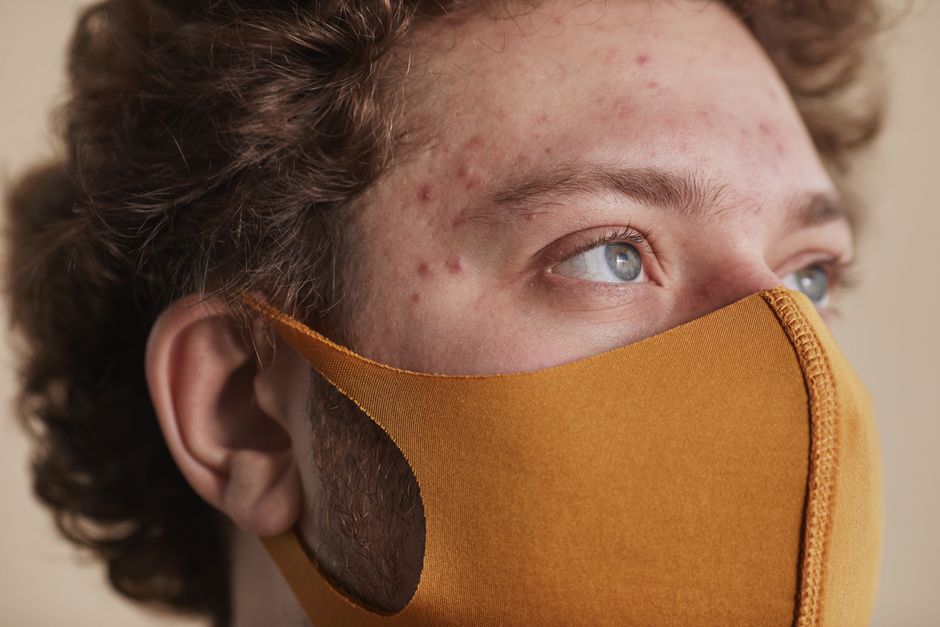
Acne does go away for most people, but the timeline varies widely. Many teenagers see their acne improve by their early twenties, while some adults continue to have breakouts into their thirties, forties, and beyond. The key question isn’t just when it stops, but whether your specific acne is the kind that will resolve on its own or the kind that needs treatment to prevent scarring and long-term marks.
Does Acne Go Away Timeline And Signs It Wont Clear?
There is no single timeline that applies to everyone. Acne is driven by hormones, genetics, inflammation, and the skin’s own biology, and those factors differ from person to person.
For many people with teenage acne, breakouts begin around puberty and gradually improve through the late teens and early twenties. Research consistently shows that acne is most common during adolescence. But “most common” does not mean it always ends there. Studies indicate that a meaningful portion of adults, particularly women, continue to experience acne well past age 25. Some continue into their 40s and 50s.
The honest answer is this: acne often improves with time, but time alone is not a treatment plan. Waiting for acne to go away on its own can allow permanent scarring to form. The signs that acne is unlikely to clear without help are more useful to know than any average timeline.
What Actually Causes Acne?
Acne forms when hair follicles in the skin become blocked. Each follicle contains a hair and a sebaceous gland that produces oil, called sebum. Several things happen together to create a pimple.
First, the sebaceous gland produces more oil, often in response to hormones called androgens. Second, dead skin cells inside the follicle don’t shed normally and mix with the oil to form a plug. Third, a bacterium called Cutibacterium acnes that normally lives on the skin can multiply inside the blocked follicle. Fourth, the body’s immune system responds with inflammation, which produces the redness, swelling, and tenderness of a pimple.
This is why acne is not simply a hygiene problem. Washing your face more does not fix a hormonal or biological process happening inside the follicle. That misconception causes a lot of unnecessary distress.
Hormones explain much of the timing. Androgens rise during puberty, which is why teenage acne is so common. Hormonal shifts during menstrual cycles, pregnancy, and menopause can trigger or worsen acne in adult women. This is also why some hormonal conditions, such as polycystic ovary syndrome, are associated with persistent acne.
What Are the Signs Acne Won’t Clear on Its Own?
Certain patterns suggest acne is more likely to persist or cause lasting damage. These are the signs worth paying attention to.
- Deep, painful bumps or cysts. Nodulocystic acne forms deep under the skin and is more likely to scar than surface-level pimples.
- Scarring that has already started. Once scars form, the acne has already caused permanent changes to the skin. This is a sign that waiting is not working.
- Dark marks that linger after pimples heal. These are called post-inflammatory hyperpigmentation. They are not scars, but they can last for months and are more common in people with darker skin tones.
- Acne that continues past the mid-twenties. Persistent adult acne is less likely to resolve on its own than teenage acne.
- Acne mainly along the jawline and chin in adult women. This pattern often points to a hormonal driver.
- Acne that is not improving after several months of consistent over-the-counter treatment. If basic treatments are not working, the acne may need a different approach.
None of these signs mean you are doing something wrong. They mean your acne is the type that benefits from medical treatment rather than waiting.





How Long Does Acne Treatment Take to Work?
This is one of the most misunderstood parts of acne care. Even effective treatments take time, and people often stop too early because they don’t see results fast enough.
Most topical treatments take several weeks to show noticeable improvement. It is common for acne to appear slightly worse in the first few weeks of treatment before it improves. This early worsening happens because the treatment speeds up skin cell turnover and brings underlying blockages to the surface.
Because timelines vary by treatment type and by person, it is more useful to understand the general principle than to fixate on an exact number of weeks. Dermatologists generally advise giving a treatment a fair trial before judging whether it works. If you stop after a week or two, you may never know whether it would have helped.
This is also why consistency matters more than intensity. Using a product occasionally, or switching products every few days, rarely produces results.
What Makes Acne More Likely to Persist?
Some factors are linked to acne that lasts longer or comes back. Understanding them helps set realistic expectations.
Genetics play a significant role. If a close family member had persistent or severe acne, you may be more likely to experience the same pattern.
Hormones are a major driver, especially in women. Fluctuations during the menstrual cycle, pregnancy, and perimenopause can trigger breakouts. Conditions that raise androgen levels, such as polycystic ovary syndrome, are associated with ongoing acne.
Certain medications can cause or worsen acne. These include some steroids, lithium, and certain anticonvulsants. If acne appears or worsens after starting a medication, that is worth discussing with a doctor.
Cosmetics and skin products that are comedogenic, meaning they tend to clog pores, can contribute to breakouts. Choosing products labeled non-comedogenic can help, though it is not a cure.
Diet is often discussed, and the evidence here is more mixed than many people assume. Some studies suggest that high-glycemic diets and possibly dairy may be associated with acne in some people. The evidence is not strong enough to say that changing your diet will clear your skin. It is reasonable to discuss diet with a clinician if you are curious, but diet alone is not an established acne treatment.
Can Acne Leave Permanent Damage?
Yes, and this is the main reason not to simply wait it out. Acne can leave two different kinds of marks, and they are not the same thing.
Post-inflammatory hyperpigmentation is a dark spot left after a pimple heals. It is not a true scar. It usually fades over time, though it can take many months. It is more common and more noticeable in people with darker skin tones.
True scarring happens when the skin’s deeper layers are damaged. This produces indentations, raised areas, or textural changes that do not fade on their own. True scars are permanent. Once they form, treatment can improve their appearance but cannot fully erase them.
This distinction matters. Preventing scarring is far easier than treating it. That is the strongest argument for treating persistent or severe acne rather than waiting to see if it resolves.
When Should You See a Doctor About Acne?
Acne is common, but that does not mean it always needs to be managed alone. There are clear situations where seeing a doctor or dermatologist is worthwhile.
- Acne is deep, painful, or forming nodules or cysts.
- Scarring has begun.
- Over-the-counter treatments have not helped after a reasonable trial.
- Acne is affecting your confidence or mental health.
- You have signs of a hormonal condition, such as irregular periods or excess hair growth.
- Acne appeared suddenly in adulthood without a clear cause.
Acne is treatable. The available treatments range from topical products to oral medications, and a clinician can match the approach to the type and severity of your acne. This is not a matter of willpower or cleanliness.
Does Acne Ever Truly Stop for Good?
For many people, yes. Acne often becomes less frequent and less severe over time, and some people stop having breakouts entirely. But “often” is not “always.”
Adult acne is real and common, particularly in women. Some people continue to have occasional breakouts for decades. Others find their acne resolves and does not return. There is no reliable way to predict which path you will take based on age alone.
What is predictable is that untreated severe acne is more likely to leave permanent scars. That is the part you can influence.
Frequently Asked Questions
Does acne go away on its own?
For many people, acne improves with time, especially after the teenage years. However, waiting is not always safe, because severe or persistent acne can leave permanent scars that treatment could have prevented.
How long does teenage acne usually last?
Acne often begins around puberty and improves through the late teens and early twenties for many people. But a significant number of adults, particularly women, continue to have acne well past age 25.
What are the signs my acne won’t clear without treatment?
Deep painful bumps, scarring that has already started, acne continuing past the mid-twenties, and acne that does not improve after months of over-the-counter treatment are all signs worth discussing with a doctor.
Can acne scars be removed completely?
True acne scars are permanent, though treatments can improve their appearance. Dark marks left after pimples heal are not true scars and usually fade over time, though it can take many months.
