
A urinary tract infection (UTI) is a common and uncomfortable bacterial infection. If you are trying to conceive, you might wonder if it affects your fertility. The short answer is that a UTI itself does not directly damage sperm or permanently harm fertility. However, the infection can temporarily affect sperm health, and if left untreated, it can lead to complications that do impact fertility.
How a UTI Affects Sperm Health
A UTI is an infection in the urinary system, which includes the kidneys, bladder, ureters, and urethra. In men, the urethra also carries semen. Because of this shared pathway, a bacterial infection in the urinary tract can come into contact with semen.
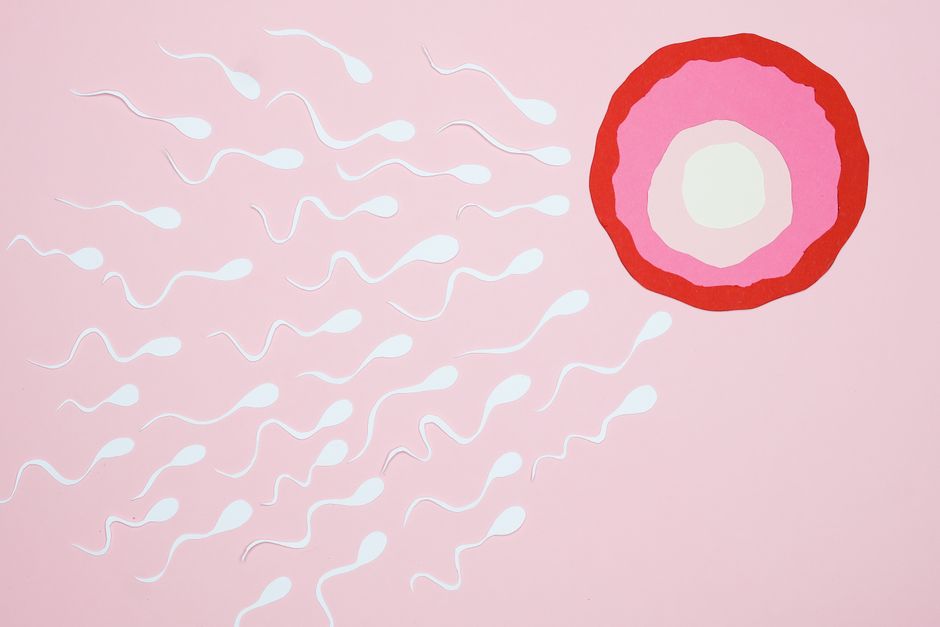
Research shows that the presence of bacteria in semen can affect sperm quality. The body’s immune response to the infection produces white blood cells. When these cells appear in semen, the condition is called leukocytospermia. This condition is associated with lower sperm motility, which means the sperm do not swim as well as they should.
Inflammation from the infection can also generate oxidative stress. This is a chemical imbalance that can damage the DNA inside sperm cells. Damaged sperm DNA can reduce the chances of successful fertilization and increase the risk of early miscarriage.
These effects are important. But they are also usually temporary. Once the infection clears, sperm quality typically returns to normal. Sperm production takes about 64 days, so it may take a couple of months for sperm parameters to fully recover after a severe infection.
UTIs and Female Fertility
For women, the impact of a UTI on fertility is different. A simple bladder infection does not directly affect the ovaries, fallopian tubes, or uterus. It does not stop ovulation or prevent an egg from being fertilized.
The concern for women is when a UTI spreads upward. If the infection travels from the bladder to the kidneys, it becomes a kidney infection, which is a more serious illness. A kidney infection can cause fever and dehydration, which can temporarily disrupt your menstrual cycle and make conception less likely in that cycle.
There is no evidence that a routine UTI causes scarring in the fallopian tubes. That type of damage is associated with sexually transmitted infections like chlamydia and gonorrhea, not with typical UTIs caused by E. coli.
When a UTI Can Become a Fertility Problem
The critical issue is not the UTI itself but what happens if it is not treated properly. In men, an untreated or recurrent UTI can lead to prostatitis, which is inflammation of the prostate gland. The prostate produces a significant portion of the fluid in semen. Chronic prostatitis can affect semen volume and sperm function.
In rare cases, a severe infection can cause epididymitis, which is inflammation of the tube that stores and carries sperm. This condition can cause pain and swelling. If it is severe or recurrent, it can potentially cause a blockage that prevents sperm from being ejaculated. This is uncommon, but it is a real risk of delaying treatment.
For both men and women, the bigger fertility risk comes from sexually transmitted infections, not from standard UTIs. STIs like chlamydia and gonorrhea are known to cause pelvic inflammatory disease in women and epididymitis in men. Both conditions can cause permanent fertility damage. If you have concerns about an STI, you need specific testing. A standard UTI test does not check for STIs.





Can You Try to Conceive While Having a UTI?
Yes, you can still try to conceive while you have a UTI. The infection will not prevent fertilization from occurring. However, there are practical reasons to consider waiting.
First, a UTI can make intercourse painful. For women, the infection can irritate the urethra and bladder, and the pressure of intercourse can increase discomfort. For men, pain or burning during urination can make the experience unpleasant.
Second, treating the infection first gives your body the best chance. If you have a fever or significant inflammation, your overall health is not optimal for conception. It is reasonable to finish your antibiotics and let your symptoms resolve before focusing on timed intercourse.
Third, some antibiotics used to treat UTIs are not recommended during pregnancy. If you use a treatment that is not safe for pregnancy and then conceive immediately, you may have unnecessary worry. This is a conversation to have with your doctor. They can prescribe a pregnancy-safe antibiotic if conception is a possibility.
What to Do If You Have a UTI and Are Trying to Conceive
Seek treatment quickly. A simple UTI is easy to treat with a short course of antibiotics. Delaying treatment increases the risk of the infection spreading to the kidneys, which is a more serious condition.
Tell your doctor that you are trying to conceive. This matters for two reasons. First, your doctor can choose an antibiotic that is safe in early pregnancy. Second, your doctor can confirm that the infection is a standard UTI and not something else.
Drink plenty of water. Staying hydrated helps flush bacteria from your urinary tract and can speed up recovery. Avoid caffeine and alcohol while you are infected, as these can irritate the bladder further.
Do not use over-the-counter UTI test strips as a substitute for medical care. These strips can detect some infections but can miss others. If you have symptoms like burning, frequent urination, or pelvic pressure, see a healthcare provider.
Does a UTI Affect Male Fertility Long Term?
Long-term fertility damage from a single, properly treated UTI is rare. The evidence does not support the idea that one infection permanently impairs male fertility.
The risk increases with recurrent or chronic infections. If you have multiple UTIs, or if an infection is not fully cleared, the ongoing inflammation can cause more lasting changes to the reproductive tract. This is why completing the full course of antibiotics is essential, even if you feel better before they are finished.
If you have had a recent UTI and are concerned about your sperm health, a semen analysis can provide answers. This test measures sperm count, motility, and shape. If you had a severe infection, waiting about three months after treatment before testing gives your body time to produce a new batch of healthy sperm.
Preventing UTIs While Trying to Conceive
Prevention is straightforward and effective. These habits reduce your risk of developing a UTI in the first place.
- Drink enough water daily to keep urine clear or light yellow.
- Urinate before and after sexual activity to flush bacteria from the urethra.
- Wipe from front to back after using the toilet to prevent bacteria from the rectum from reaching the urethra.
- Avoid holding urine for long periods. Empty your bladder when you feel the urge.
- Wear breathable cotton underwear and avoid tight-fitting pants for extended periods.
For women who get recurrent UTIs linked to intercourse, a doctor may recommend a single dose of antibiotics taken after sex. This is a preventive strategy that some clinicians use. It is not appropriate for everyone, so discuss it with your healthcare provider.
When to See a Doctor
See a doctor if you have symptoms of a UTI. These include a strong, persistent urge to urinate, a burning sensation when urinating, passing frequent small amounts of urine, cloudy or strong-smelling urine, or pelvic pain in women.
Seek urgent care if you have a fever, chills, nausea, vomiting, or pain in your upper back or side. These can be signs that the infection has reached your kidneys. A kidney infection requires prompt medical treatment.
If you have been trying to conceive for over a year without success, see a fertility specialist. A past UTI is unlikely to be the cause, but a specialist can evaluate all potential factors. Unexplained infertility has many causes, and a thorough evaluation is the right next step.
Frequently Asked Questions
Can a UTI stop you from getting pregnant?
A UTI will not stop you from getting pregnant. It does not prevent ovulation or fertilization, though temporary inflammation can affect sperm quality in men.
How long does a UTI affect sperm?
Sperm quality can be affected during the infection and for a short time after. Because sperm production takes about 64 days, full recovery can take up to three months.
Can a UTI cause a miscarriage?
A simple bladder infection is not linked to miscarriage. However, a severe kidney infection with high fever during pregnancy does increase risk, which is why prompt treatment is important.
Should I take antibiotics for a UTI before trying to conceive?
Yes, treat the infection before attempting conception. Tell your doctor you are trying to conceive so they can prescribe an antibiotic that is safe in early pregnancy.
