
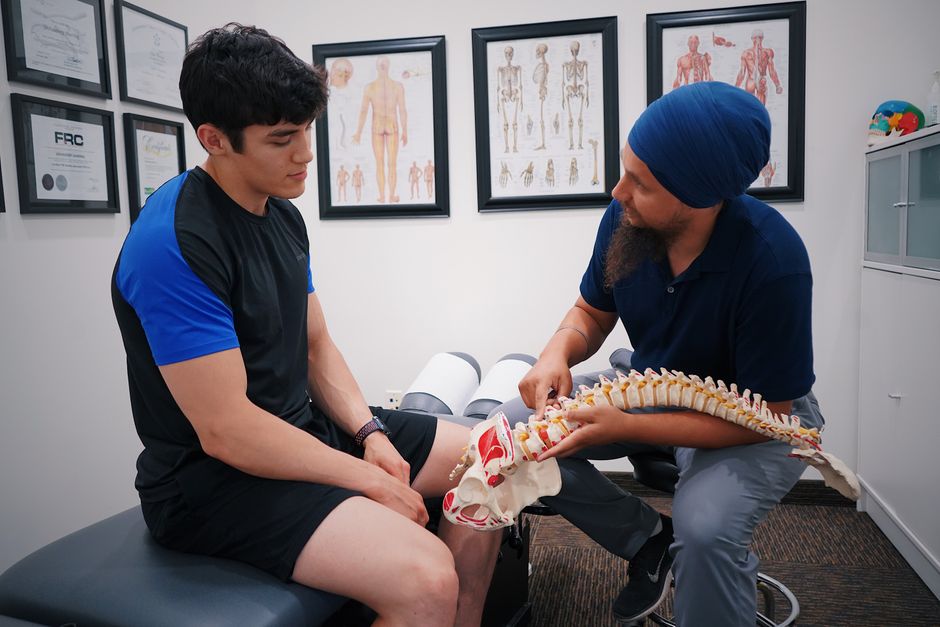
A spinal tap, also called a lumbar puncture, is a procedure most people hope they never need. The idea of a needle going into your spine sounds alarming. The honest answer to whether it hurts is this: the procedure causes some discomfort, but it is usually brief and manageable. Most people feel a sharp sting from the numbing medication and then a sensation of pressure, not pain, during the actual tap. The procedure itself takes only a few minutes, and the most common aftereffect is a headache, not lasting pain.
Why People Fear the Procedure More Than the Pain
Fear is a normal response. The thought of a needle near the spinal cord is unsettling for almost everyone. However, the needle does not go anywhere near the spinal cord itself. The procedure targets the fluid-filled space below the cord, which contains nerve roots that float freely. These nerve roots are less sensitive than the spinal cord tissue itself.
The anticipation of pain is often worse than the actual procedure. Clinicians who perform spinal taps do them regularly and are skilled at making the process as quick and comfortable as possible. If you are anxious, tell the doctor or nurse. They can offer reassurance, and in some cases, a mild sedative to help you relax before the procedure begins.
What You Actually Feel During a Spinal Tap
The experience is broken into two distinct parts. The first part is the numbing injection. This is usually the sharpest sensation of the entire procedure. The doctor injects a local anesthetic, like lidocaine, into the skin and deeper tissues of your lower back. This burns or stings for about 30 to 60 seconds.
Once the anesthetic takes effect, the area becomes numb. The second part is the spinal tap itself. You will feel pressure as the doctor guides the needle between the vertebrae. Some people describe it as a pushing or a deep pressure sensation. It is not typically described as sharp pain. If you do feel sharp pain, especially shooting pain down a leg, tell the doctor immediately. This can mean the needle is touching a nerve root, and the doctor will reposition it.
The Position Determines the Comfort Level
Your position during the procedure matters more than most people realize. You will be asked to lie on your side with your knees drawn up to your chest, or to sit on the edge of the bed and lean forward over a table. Both positions open up the spaces between the vertebrae, making it easier for the doctor to access the spinal fluid.
Staying still in this curled position can cause muscle cramping or aching in the back. This is often a source of discomfort during the procedure. The tap itself takes only a few minutes, but holding the position can feel long. Focus on slow, steady breathing. This helps relax your back muscles and keeps you from tensing up, which can make the procedure harder for the doctor.





How Doctors Minimize the Pain
Modern techniques have made spinal taps significantly more comfortable than they used to be. The most important advance is the use of a smaller needle with a special tip, called a pencil-point or atraumatic needle. Research has consistently shown that these needles reduce the risk of post-dural puncture headache, which is the most common complication.
Doctors also use real-time imaging, like ultrasound or fluoroscopy, in difficult cases. This is more common in patients who are overweight, have spinal arthritis, or have had prior back surgery. The imaging helps the doctor guide the needle precisely, reducing the number of attempts and the amount of discomfort.
The numbing medication is always used. In rare cases, a patient may receive a short-acting sedative through an IV to reduce anxiety. This does not put you to sleep, but it makes you drowsy and less focused on the procedure.
The Most Common Aftereffect Is a Headache
Pain at the injection site is usually mild and fades within a day or two. The more significant aftereffect is a headache. This is known as a post-dural puncture headache. It occurs when spinal fluid leaks out through the puncture site in the dura, the tough membrane that surrounds the spinal cord. The leak lowers the pressure of the fluid around the brain, which causes a headache when you sit or stand up.
The headache typically starts within 24 to 48 hours after the procedure. It is usually located at the front or back of the head and is described as a dull or throbbing ache. It improves when you lie flat and worsens when you sit or stand. Most headaches resolve on their own within a few days with rest and fluids.
If the headache is severe or lasts longer than a few days, a doctor can perform a procedure called a blood patch. This involves drawing a small amount of your own blood and injecting it into the epidural space. The blood clots and seals the leak. This is highly effective and usually provides rapid relief.
What the Research Shows About Pain Levels
Studies that have asked patients to rate their pain during a spinal tap generally report low to moderate scores. Most patients rate the pain as less than they expected. The highest pain point is almost always the local anesthetic injection, not the tap itself.
Some research suggests that patient anxiety before the procedure is a stronger predictor of pain during the procedure than any technical factor. This is why communication with your care team is so important. A doctor who explains each step and checks in with you throughout the procedure can make a measurable difference in your comfort.
It is also worth noting that the experience varies by individual. A person with a high pain tolerance or a relaxed demeanor may find the procedure entirely tolerable. A person who is highly anxious or has a low pain threshold may find it more uncomfortable. Neither response is wrong. The point is that the procedure is designed to be brief, and the pain is temporary.
Serious Complications Are Rare
Serious complications from a spinal tap are uncommon. Bleeding, infection, and nerve damage are all possible but occur in a very small percentage of cases. The most common complication is the headache discussed above, which is uncomfortable but not dangerous.
You should seek immediate medical attention if you experience a severe headache that does not improve when lying down, numbness or weakness in your legs, difficulty urinating, or a fever. These symptoms are not typical and require prompt evaluation.
For most people, the benefits of the procedure far outweigh the risks. A spinal tap provides critical diagnostic information for conditions like meningitis, multiple sclerosis, and subarachnoid hemorrhage. In some cases, it is also used to deliver medication directly into the spinal fluid, such as anesthetics or chemotherapy.
How to Prepare for a Spinal Tap
Preparation is simple. Tell your doctor about all medications you take, especially blood thinners like warfarin, aspirin, or clopidogrel. These may need to be adjusted before the procedure. Tell your doctor about any allergies, particularly to local anesthetics or antiseptic solutions.
Arrive at your appointment with an empty bladder. A full bladder can make it harder to maintain the curled position. Wear loose, comfortable clothing. You will be asked to change into a hospital gown, but comfortable clothing makes the process less stressful.
Plan for the rest of your day after the procedure. You will be asked to lie flat for a period of time, usually 30 to 60 minutes, to reduce the risk of a headache. You should avoid strenuous activity and heavy lifting for at least 24 hours. Arrange for someone to drive you home if you received a sedative.
Frequently Asked Questions
How long does a spinal tap take?
The entire procedure usually takes about 15 to 20 minutes, but the actual needle insertion takes only a few minutes. Most of the time is spent positioning you, numbing the area, and collecting the fluid.
Can you feel the needle during a spinal tap?
You will feel pressure as the needle is inserted, but you should not feel sharp pain because of the local anesthetic. If you feel a shooting pain down your leg, tell the doctor immediately.
How long does the headache last after a spinal tap?
Most post-dural puncture headaches resolve within a few days with rest and fluids. If a headache is severe or lasts longer than a few days, a blood patch procedure can seal the leak and provide relief.
Is it safe to have a spinal tap?
Serious complications are rare. The most common side effect is a headache, which is temporary. Bleeding, infection, and nerve damage are possible but occur in a very small percentage of cases.
