
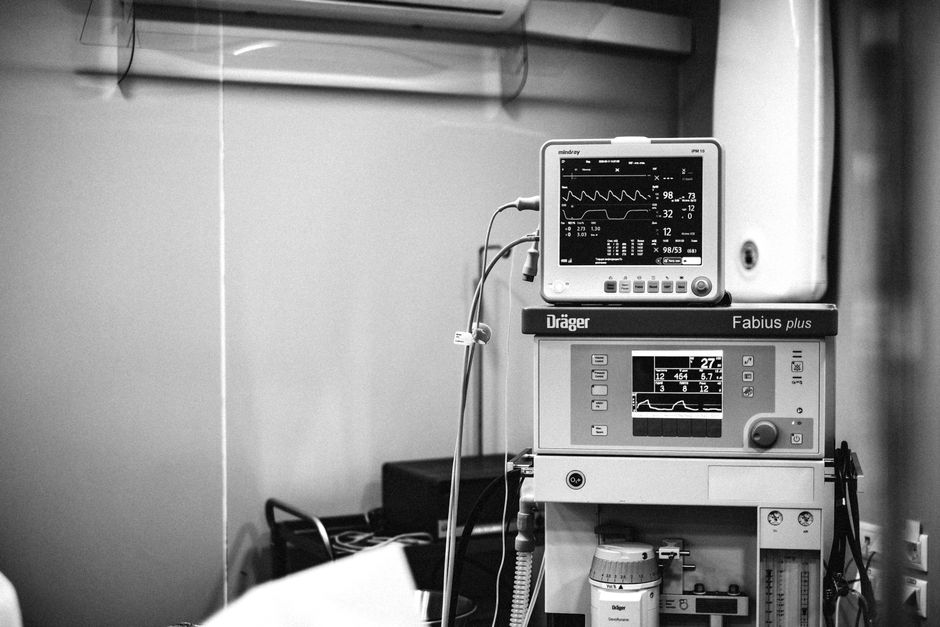
A CPAP machine stops snoring in most people who use it correctly. The steady stream of air it delivers keeps the upper airway from collapsing, and that collapse is what makes the snoring sound in the first place. But “stops” comes with real conditions. The machine has to be the right treatment for the cause of your snoring, the mask has to fit well enough that you actually wear it, and you have to use it for most of the night. Without those pieces, a CPAP can sit on the nightstand and do nothing at all.
How Does a CPAP Machine Actually Stop Snoring?
CPAP stands for continuous positive airway pressure. The machine pushes a gentle, constant flow of air through a hose and a mask into your nose, or sometimes your nose and mouth.
That air pressure does one specific job. It holds the soft tissues of your throat open. When you sleep, the muscles that normally keep your airway stiff relax. In some people, the tongue, soft palate, and throat walls fall inward and narrow the passage. Air squeezing through that narrowed space makes tissue vibrate, and that vibration is snoring.
When pressure keeps the airway open, the vibration stops. The air moves smoothly instead of forcing its way through a partly blocked tube.
This is why CPAP works best for snoring caused by obstructive sleep apnea. In sleep apnea, the airway doesn’t just narrow. It closes enough to cut off breathing for short stretches, which repeatedly disrupts sleep. CPAP was designed to treat that problem, and snoring relief is often a side effect of treating it.
Does CPAP Stop Snoring for Everyone?
No. CPAP reliably reduces snoring in people whose snoring comes from a collapsible upper airway. It does much less, or nothing, when the snoring has a different cause.
Snoring can come from several places:
- A blocked nose from allergies, a deviated septum, or chronic congestion
- Enlarged tonsils or adenoids
- Relaxed throat tissue during sleep, which is the classic obstructive pattern
- Alcohol or sedatives taken before bed, which relax airway muscles further
If your nose is badly blocked, air pressure from a CPAP may not reach the throat effectively, and the machine can feel uncomfortable to use. Some people need nasal treatment first, or a different mask type, before CPAP helps.
There is also a group of people who snore without having sleep apnea at all. Their snoring may be simple or “primary” snoring. CPAP can still reduce the sound by keeping the airway open, but it is not always the first treatment doctors reach for in that situation. The evidence for CPAP in people without apnea is thinner than the evidence in people who have it.
What Is the Difference Between Snoring and Sleep Apnea?
Snoring is a sound. Sleep apnea is a breathing disorder. They often occur together, but they are not the same thing.
In obstructive sleep apnea, the airway closes repeatedly during sleep. Each pause can last several seconds. Breathing then restarts, often with a gasp or a snort. These events can happen many times an hour in more severe cases.
Snoring alone does not stop your breathing. It is the noise of air moving past vibrating tissue.
This distinction matters because the treatment decision depends on which one you have. A person who snores loudly but has no apnea may not need CPAP. A person with significant apnea usually does, and treating the apnea is what protects health, not just quiet.
Untreated obstructive sleep apnea is linked to daytime sleepiness, higher blood pressure, and cardiovascular strain. That is why a proper diagnosis matters more than the volume of the snoring.

How Do You Know If CPAP Is the Right Treatment?
A sleep study is how doctors tell the difference. It measures your breathing, oxygen levels, and brain activity during sleep. The results show whether your airway is closing and how often.
If a sleep study shows obstructive sleep apnea, CPAP is generally the first-line treatment for moderate to severe cases. Clinical guidelines in the United States and internationally support CPAP as the standard therapy for that condition.
If the study shows snoring without apnea, the picture is less clear. Some clinicians still recommend a trial of CPAP. Others focus on the underlying cause, such as nasal blockage, weight, alcohol use, or sleep position. The evidence for CPAP in simple snoring without apnea is limited, so the decision is often made case by case.
One non-obvious point: the loudness of your snoring does not reliably tell you whether you have apnea. Some people with severe apnea snore quietly. Some loud snorers have no apnea at all. Only a sleep study settles it.
Why Does CPAP Sometimes Fail to Stop Snoring?
The most common reason is that the machine isn’t being used. CPAP only works while it’s on and the mask is sealed. If you take it off after an hour, snoring returns for the rest of the night.
Other common reasons include:
- A mask that leaks, which drops the pressure reaching your airway
- Pressure settings that are too low to hold the airway open
- A blocked nose that makes breathing through the mask difficult
- Dryness, irritation, or claustrophobia that makes the mask hard to tolerate
Mask fit and comfort are not minor details. They are often the difference between a machine that works and one that doesn’t. Many people need to try more than one mask style before finding one they can wear all night.
If snoring continues despite regular use, the pressure setting may need review. Some machines adjust pressure automatically. Others need to be retitrated. A follow-up with a sleep specialist can identify whether the problem is the mask, the pressure, or something else.
What Are the Alternatives If CPAP Doesn’t Work for You?
CPAP is not the only option, and some people genuinely cannot tolerate it. Other approaches target the airway in different ways.
An oral appliance, fitted by a dentist, pushes the lower jaw forward to keep the throat open. It can help mild to moderate obstructive sleep apnea and some snoring. It is generally less effective than CPAP for severe apnea.
Surgery can remove or stiffen tissue in the airway. Results vary, and it is usually considered when other treatments fail.
Positional therapy keeps you sleeping on your side, since snoring and apnea are often worse on the back. Lifestyle changes such as losing weight, avoiding alcohol before bed, and treating nasal congestion can reduce snoring for some people.
None of these is a guaranteed fix. Each works better for some causes than others, which is why an accurate diagnosis comes first.
Does CPAP Help Even If You Only Snore?
The evidence here is limited. CPAP can reduce snoring sound by keeping the airway open, but for people who snore without sleep apnea, the health benefit of using a machine every night is not well established.
For that group, the goal is usually comfort and quiet, not treating a medical condition. That changes the risk-benefit calculation. A device that is hard to tolerate may not be worth it if the only aim is reducing noise.
If snoring is disrupting a partner’s sleep or your own, it is worth getting evaluated. The evaluation tells you whether there is something more than snoring going on.
Frequently Asked Questions
Does a CPAP machine stop snoring completely?
It stops or greatly reduces snoring in most people who use it correctly and consistently. If snoring continues, the usual causes are mask leaks, pressure that is too low, or not wearing it long enough.
Can you snore with a CPAP machine on?
Yes, it is possible. Snoring during CPAP use often points to a mask leak, a blocked nose, or a pressure setting that needs adjustment.
Is CPAP necessary if I only snore and don’t have sleep apnea?
Not necessarily. CPAP can quiet the snoring, but the evidence for health benefits in people without sleep apnea is limited, so the decision depends on your situation and your doctor’s advice.
How long does it take for CPAP to stop snoring?
Snoring usually improves the first night the machine is worn correctly with a good mask seal. Ongoing snoring suggests the setup needs review rather than more time.
