
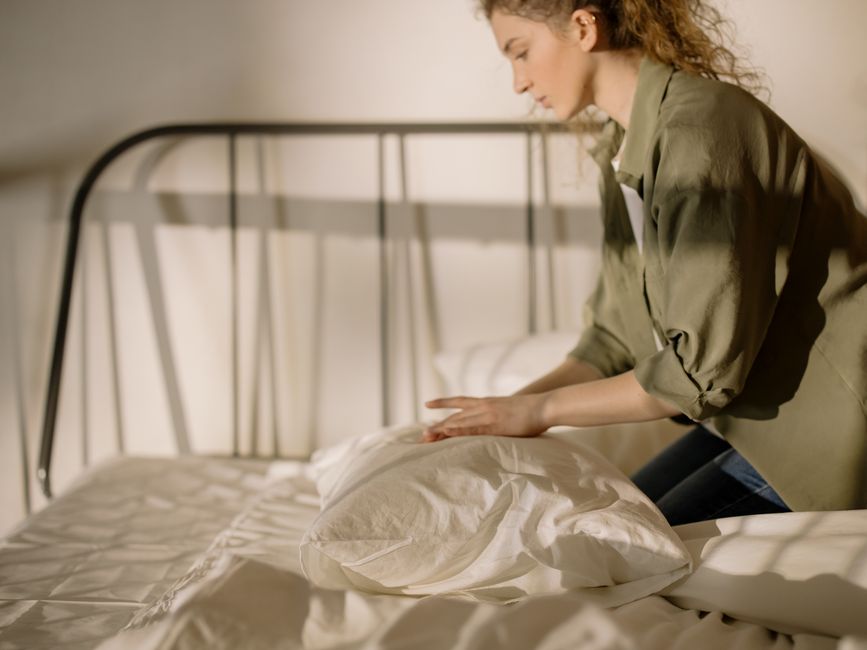
Most people wash their sheets and pillowcases regularly, but the pillow itself rarely gets attention. That is a mistake. Pillows absorb sweat, dead skin cells, and oils every single night. Over time, they also collect dust mites and their waste, which can trigger allergies and asthma symptoms. Yes, you should wash your pillows, and most can be cleaned at home in a standard washing machine. The key is knowing which type of pillow you own and how to dry it completely.
Why Do You Wash Pillows at All?
Your pillow sits inches from your face for seven to nine hours a night. Every hour, your body releases moisture and heat. That moisture soaks into the pillow, creating a damp environment. Skin cells and natural oils transfer from your hair and face onto the fabric. This mixture becomes food for dust mites, microscopic creatures that live in bedding.
Dust mites do not bite, but their droppings and body fragments are a common allergen. Research consistently shows that reducing dust mite exposure can improve symptoms for people with allergic rhinitis and asthma. Washing your pillow removes this buildup. It also keeps the pillow from developing a yellow tint and an unpleasant odor over time.
Most manufacturers recommend washing pillows every three to six months. If you sweat heavily, have allergies, or sleep with pets, wash them more often. Some experts suggest every two months for allergy sufferers. Pillow protectors, which zip around the pillow, should be washed monthly and can extend the life of the pillow itself.
Check the Care Label Before You Start
The care label is the single most reliable source of information for your specific pillow. It will tell you if the pillow is machine washable, what water temperature to use, and whether it can go in the dryer. Ignoring these instructions can ruin the pillow or void its warranty.
Different materials require different care. Memory foam pillows should almost never go in a washing machine. The agitation can break down the foam structure. Down and feather pillows wash well but require thorough drying to prevent mildew. Polyester and microfiber pillows are the easiest to clean and handle machine washing well.
If the care label is missing or unreadable, identify the filling before proceeding. Squeeze the pillow. If it springs back slowly, it is likely memory foam. If it feels soft and fluffy, it is probably polyester or down. When in doubt, spot clean with mild detergent and water instead of risking a full wash.
How to Wash a Pillow in the Washing Machine
Machine washing is safe for most polyester, down, and feather pillows. Wash two pillows at a time if possible. This balances the machine and prevents the pillows from thumping around. Use warm water, not hot, unless the care label specifically says otherwise. Hot water can damage some fillings and set stains.
Use a small amount of liquid detergent. Powder detergents can leave residue inside the pillow. Do not use bleach. It breaks down fibers and can leave a strong chemical smell that is hard to remove. If you need to brighten a pillow, add a half cup of white vinegar to the rinse cycle. Vinegar helps break down body oils and neutralizes odors without leaving a scent.
Run a second rinse cycle to ensure all detergent is removed. Soap residue inside a pillow can irritate skin and attract dirt faster. After the wash cycle ends, inspect the pillow. If it still looks stained or smells, wash it again before drying.





Drying Is the Hardest Part
Incomplete drying is the most common reason pillows develop mildew. A damp pillow can grow mold and bacteria within 24 hours. Drying a pillow takes longer than most people expect. A standard dryer cycle is rarely enough for a thick pillow.
Use the lowest heat setting or air fluff. High heat can melt polyester fibers and damage down clusters. Add two or three clean tennis balls or dryer balls to the dryer. They break up clumps of filling and help the pillow dry evenly. This step matters most for down pillows, which can form hard lumps without constant tumbling.
Check the pillow every 30 minutes. It is dry only when the center is completely dry, not just the outside. Squeeze the pillow. If you feel any dampness or cold spots, continue drying. Some thick pillows take two hours or more in the dryer. If you are not comfortable using a dryer, air drying is possible but takes one to two full days in a well-ventilated area. Fluff the pillow several times during air drying to break up clumps.
Which Pillows Should Not Be Machine Washed
Memory foam pillows should not go in a washing machine. The tumbling action can tear the foam, and the spin cycle can permanently deform it. The same applies to latex pillows. These materials hold their shape because of their internal structure, not because of fluffable filling. Machine washing destroys that structure.
For these pillows, spot cleaning is the correct approach. Mix a small amount of mild detergent with water. Dip a clean cloth in the solution and wring it out well. Gently dab the stained area. Do not soak the foam. Then use a separate cloth with plain water to remove soap residue. Press a dry towel against the area to absorb moisture. Allow the pillow to air dry completely before putting it back on the bed.
Some shredded memory foam pillows claim to be machine washable. If the care label says so, follow the instructions exactly. Use a front-loading machine if possible. Top-loading machines with a center agitator can damage the foam shreds.
How Often Should You Replace a Pillow?
Washing extends a pillow’s life, but it does not make it last forever. Most pillows need replacement every one to two years. Polyester pillows compress faster and may need replacing yearly. Down and memory foam pillows can last two to three years with proper care.
Signs that a pillow is done: it no longer springs back when folded in half, it has visible lumps, or you wake up with neck pain. A flattened pillow no longer supports your cervical spine properly. That can contribute to morning stiffness and poor sleep quality. Washing a flattened pillow will not restore its support. The filling has simply broken down.
Allergy sufferers may want to replace pillows more often. Even with regular washing, dust mites can build up in the inner layers of an old pillow. Some manufacturers now make washable pillows specifically designed for allergy-prone sleepers. Look for pillows labeled as machine washable and dryer safe.
Frequently Asked Questions
Can you wash pillows in a washing machine?
Yes, most polyester, down, and feather pillows can be machine washed on a gentle cycle with warm water. Memory foam and latex pillows should not be machine washed.
How often should you wash your pillows?
Most manufacturers recommend washing pillows every three to six months. Wash more frequently if you have allergies, sweat heavily, or sleep with pets.
Can pillows be dried in a dryer?
Yes, most washable pillows can go in the dryer on low heat. Use dryer balls to break up clumps and check the center for dampness before stopping the cycle.
Does washing pillows kill dust mites?
Washing in water at least 130°F kills dust mites, but most home washing machines do not reach that temperature. Regular washing still removes allergens and reduces buildup, which helps manage symptoms.
Washing your pillows is a simple task that makes a real difference in your sleep environment. Check the label, use the right settings, and dry thoroughly. Your nose and your neck will thank you.
