
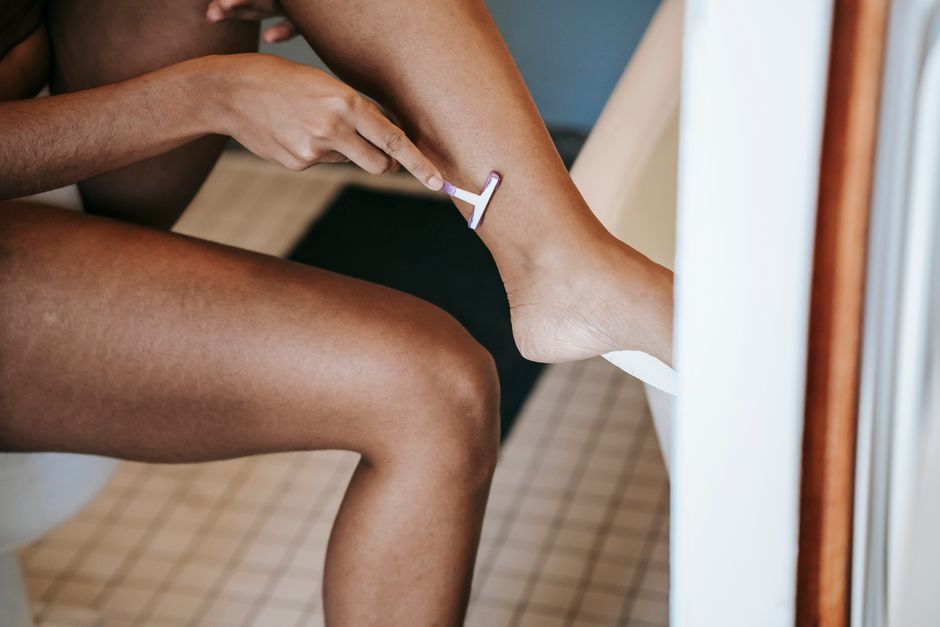
Shaving pubic hair is common. Surveys in several countries have found that a majority of adults report removing some or all of their pubic hair at some point, and razor shaving is one of the most popular methods. The practice is not medically necessary. Pubic hair is normal anatomy, and removing it is a personal choice. What the science can do is explain what shaving does to the skin, what can go wrong, and how to lower the risk of the most common problems.
Do You Shave Your Pubic Area? What the Science Says
There is no health requirement to shave or not shave. The skin in the pubic region is thin, hairy, and sits in a warm, moist, high-friction environment. That combination makes it more prone to irritation and infection after hair removal than, say, the skin on your forearm.
Pubic hair itself has a physical role. It reduces friction between skin surfaces during movement and sex, and it may offer some barrier protection. Whether removing it meaningfully increases infection risk is not fully settled. Some studies have reported associations between frequent hair removal and certain skin or sexually transmitted infections, but these are observational findings. They show a link, not proof that shaving causes the infection.
The most reliable evidence concerns what happens at the skin surface. Shaving removes hair at the level of the skin and also strips away part of the outer skin layer. That creates small breaks in the skin barrier and sets up the irritation and ingrown hair problems described below.
Why Does Shaving Cause Razor Bumps and Ingrown Hairs?
Razor bumps are the body’s inflammatory response to injury and to hair that grows back into the skin. When a blade cuts a hair, it leaves a sharp, angled tip. As that tip regrows, it can curl back and pierce the surrounding skin instead of rising through the follicle opening. The skin reacts with redness, swelling, and sometimes a small pus-filled bump.
This is more likely in the pubic area for a few reasons. Pubic hair is typically coarse and curly, which makes it more prone to curling back. The skin is thin and folds on itself. And the area is under constant friction from clothing and movement.
Some people develop a more persistent version called pseudofolliculitis barbae, which is common in people with tightly curled hair. It is a chronic inflammatory condition, not an infection, though it can look similar. If bumps persist, spread, or become painful, a clinician can tell the difference. Do not assume every bump is harmless.
What Are the Real Risks of Shaving Pubic Hair?
The main risks are skin irritation, ingrown hairs, and small cuts that can become infected. These are common and usually minor. The more serious concern is transmission of infection through shared or unhygienic tools.
Sharing a razor can spread skin infections and bloodborne viruses. This is why razors should never be shared. Using a dull or dirty blade raises the risk of cuts and irritation.
Some research has looked at whether hair removal is linked to sexually transmitted infections. The findings are mixed and mostly observational. A reasonable reading is that shaving can create small skin breaks that may make it easier for some infections to enter, but the evidence is not strong enough to say shaving causes these infections. Condom use remains the reliable way to reduce STI risk, regardless of grooming habits.
For people with certain skin conditions, shaving can trigger flare-ups. If you have a history of folliculitis, hidradenitis suppurativa, or eczema in the area, the skin may react more strongly. A clinician can advise on whether hair removal is likely to cause problems.
How Should You Shave Your Pubic Area to Reduce Irritation?
No method eliminates the risk of irritation entirely, but a few steps reduce it. These are practical measures based on how skin and hair behave, not on clinical trials of shaving technique.
- Trim longer hair first with scissors or a trimmer. A razor works best on shorter hair.
- Soften the hair and skin with warm water before shaving. Shaving dry increases friction and cuts.
- Use a clean, sharp razor. Replace blades regularly. A dull blade drags and tugs.
- Apply a lubricating shave gel or cream. Do not shave over the same spot repeatedly.
- Shave in the direction the hair grows where possible. Going against the grain gives a closer shave but raises the risk of ingrown hairs.
- Rinse with cool water and pat dry. Avoid tight clothing right after shaving.
- Do not share razors.
Some people find that a single pass with the grain is enough to reduce irritation, even if the result is less smooth. Others tolerate closer shaving. The right balance is personal.
Is Shaving Better Than Waxing, Trimming, or Laser Hair Removal?
Each method has a different risk profile. Shaving is cheap and quick but causes more cuts and ingrown hairs. Waxing pulls hair from the root, which can cause pain, irritation, and sometimes folliculitis. Trimming cuts hair short without touching the skin surface, so it carries the lowest risk of irritation. Laser hair removal reduces hair growth over time but requires multiple sessions, costs more, and is not risk-free.
| Method | How it works | Common downsides |
|---|---|---|
| Shaving | Cuts hair at the skin surface | Razor bumps, cuts, ingrown hairs |
| Trimming | Shortens hair without touching skin | Less smooth result |
| Waxing | Pulls hair from the root | Pain, irritation, folliculitis |
| Laser | Reduces hair growth with light energy | Cost, multiple sessions, skin reactions |
There is no single best method. The choice depends on your skin, your hair type, your budget, and how much irritation you are willing to tolerate. Trimming is the lowest-risk option for most people.
When Should You See a Doctor?
Most shaving-related irritation settles within a few days. See a clinician if you develop spreading redness, warmth, increasing pain, pus, or fever. These can signal a skin infection that needs treatment.
Also seek advice if bumps keep coming back in the same spot, if you notice a lump that does not heal, or if you have a skin condition that flares after shaving. A clinician can distinguish ordinary irritation from folliculitis, an abscess, or another condition that needs care.
If you are considering hair removal for a medical reason, such as before surgery, follow the instructions from your surgical team. They will tell you whether and how to remove hair, and those instructions take priority over general advice.
Does Pubic Hair Removal Affect Sexual Health or Hygiene?
Removing pubic hair does not improve hygiene in any proven way. The area is cleaned by normal washing with mild soap and water, with or without hair. Some people feel cleaner after removal, but that is a preference, not a health benefit established by evidence.
There is no strong evidence that shaving changes sexual sensation. Some people report increased sensitivity, others report irritation. Anecdotal reports vary and have not been confirmed in controlled studies.
One point worth knowing: the skin around the genitals is delicate, and shaving can cause small abrasions that sting when exposed to sweat, urine, or sexual activity. If irritation is frequent, trimming or leaving hair in place may be more comfortable.
Frequently Asked Questions
Is it bad to shave your pubic area?
It is not medically harmful for most people, but it commonly causes irritation, razor bumps, and ingrown hairs. The main risks are minor skin problems and infection from shared or dirty razors.
How do you prevent ingrown hairs after shaving pubic hair?
Shave with the grain, use a sharp clean razor and lubricating gel, and avoid shaving over the same spot repeatedly. Exfoliating gently after the skin has healed may also help.
Does shaving pubic hair increase the risk of STIs?
Some observational studies have reported a link, but the evidence is not strong enough to say shaving causes STIs. Condom use remains the reliable way to reduce risk.
What is the lowest-risk way to remove pubic hair?
Trimming is generally the lowest-risk method because it shortens hair without cutting the skin surface. Shaving, waxing, and laser all carry a higher chance of irritation or other reactions.
