
Yes, many women put on weight during menopause, but the weight gain is not inevitable. The transition often brings shifts in hormones, body composition, and fat distribution that make it easier to gain weight, especially around the abdomen. Understanding what is actually happening in your body is the first step to managing it.
Why Does Weight Gain Happen During Menopause?
Menopause is not a single day. It is a transition that usually spans several years. This period, called perimenopause, is when your ovaries gradually produce less estrogen. These hormonal changes affect more than just your menstrual cycle.
Lower estrogen levels are linked to changes in how your body uses energy. Research consistently shows that women in this stage often see a decrease in resting metabolic rate. That means your body burns fewer calories at rest than it did in your 20s and 30s. If you eat the same amount of food as before, you will likely gain weight.
There is also a genetic component. Some women are simply more prone to gaining weight during this life stage. If your mother or sisters gained weight during menopause, you may face a similar pattern. That does not mean you cannot manage it. It just means your starting point may be different.
Where Does Menopause Weight Go?
Menopause changes where your body stores fat. Before menopause, women tend to store fat in the hips and thighs. This is called a gynoid or pear shape. During and after menopause, fat shifts toward the abdomen. This is called an android or apple shape.
This is not just about appearance. Abdominal fat is more metabolically active than fat in other areas. It is linked to higher risks for heart disease, type 2 diabetes, and other health conditions. Estrogen appears to play a role in where fat is deposited, and when levels drop, the pattern changes.
Muscle mass also tends to decline during this period. Muscle burns more calories than fat, even at rest. Less muscle means a lower metabolic rate. This combination of less muscle and more abdominal fat is the core of menopause-related weight changes.
Is It Really Menopause or Just Aging?
This is a fair question. Many changes attributed to menopause also happen with normal aging. Weight gain is common in both men and women as they get older. So researchers have worked to separate the two effects.
Studies have found that menopause itself contributes to weight gain independent of age. The hormonal changes trigger a specific shift in body composition and fat distribution. Aging contributes to a slower metabolism and muscle loss. Menopause adds its own layer on top of that.
Lifestyle factors also matter. Sleep problems are common during perimenopause due to night sweats and hot flashes. Poor sleep is linked to higher levels of the stress hormone cortisol, which is associated with increased abdominal fat. Many women also become less physically active during this stage of life, often because of busy careers or caring for aging parents.





Do Hormone Therapy Options Help With Weight?
Hormone therapy is sometimes discussed as a way to manage menopause symptoms. Some women do find it helps with weight management, but the evidence is not straightforward. Hormone therapy is primarily prescribed for hot flashes and other vasomotor symptoms, not for weight loss.
Some research suggests that women using hormone therapy may have less abdominal fat compared to those who do not. However, this is not a guaranteed effect, and results vary between individuals. Hormone therapy does not appear to prevent weight gain overall.
If you are considering hormone therapy, talk to your doctor about your personal risks and benefits. It is not recommended solely for weight management. The decision involves multiple factors, including your age, medical history, and the severity of your menopause symptoms.
How Can You Prevent Menopause Weight Gain?
Prevention is more effective than trying to reverse weight gain after it happens. The same principles that support health at any age apply here, but the emphasis matters more during menopause.
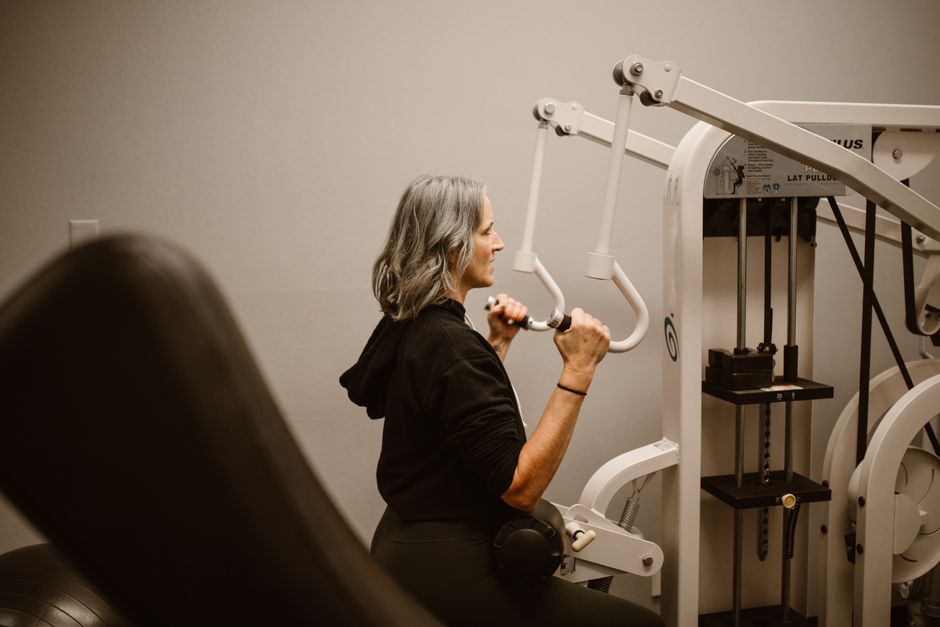
Strength training is particularly important. Building and maintaining muscle helps counter the natural decline in muscle mass. It also increases your resting metabolic rate. Aim for strength training exercises at least two days per week. This can include lifting weights, resistance bands, or bodyweight exercises like squats and push-ups.
Aerobic exercise remains important for heart health and calorie burning. Brisk walking, swimming, cycling, or dancing all count. The current guidance for adults is at least 150 minutes of moderate-intensity aerobic activity per week. Some research suggests that higher levels of physical activity may be needed to prevent weight gain during menopause specifically.
Protein intake deserves attention. Older adults need more protein to maintain muscle mass. Including protein at each meal can also help you feel full and satisfied. Good sources include lean meat, poultry, fish, eggs, dairy, beans, and legumes.
Watch portion sizes. Your calorie needs are likely lower than they were a decade ago. This does not mean you need to count every calorie. It means being mindful that the same portions that worked before may now be too much.
What About Diet and Specific Foods?
No single food prevents or causes menopause weight gain. Fad diets that promise quick fixes are not supported by evidence. What matters is your overall eating pattern over time.
A diet rich in vegetables, fruits, whole grains, and lean proteins is consistently linked to better weight management. These foods are nutrient-dense and generally lower in calories. They also provide fiber, which supports digestion and helps you feel full.
Ultra-processed foods and sugary drinks are linked to weight gain in many studies. These foods are often high in calories and low in nutrients. They also tend to be easy to overeat. Reducing these items is one of the most practical changes you can make.
Some women find that their bodies become more sensitive to carbohydrates during menopause. This is not universal. Pay attention to how your body responds to different foods and adjust accordingly. If you have concerns about your specific dietary needs, a registered dietitian can provide personalized guidance.
Do You Put on Weight During Menopause If You Stay Active?
Staying active helps, but it does not guarantee you will avoid weight gain. Physical activity has many benefits beyond weight control. It improves heart health, bone density, mood, and sleep quality. These benefits matter even if the scale does not move.
Some women remain highly active and still gain some weight during menopause. This can be frustrating, but it is important to understand that body composition changes are happening. You may be gaining fat while losing muscle, which can keep the scale stable even as your shape changes.
Measuring your waist circumference can give you a better picture than the scale alone. A waist measurement above 35 inches for women is considered elevated risk for metabolic issues. This measurement tracks abdominal fat more directly than overall weight.
The goal is not perfection. The goal is to maintain the healthiest body composition possible during a transition that naturally works against you. Consistency matters more than intensity. Regular activity, adequate protein, and mindful eating are the most evidence-based strategies available.
Frequently Asked Questions
Is weight gain during menopause unavoidable?
No, weight gain is not unavoidable, but it is common due to hormonal changes and a slower metabolism. Active efforts around diet and exercise can significantly reduce the amount of weight gained.
Why does menopause cause belly fat specifically?
Lower estrogen levels are linked to a shift in fat storage from the hips and thighs to the abdomen. This change in fat distribution is a hallmark of menopause.
Can hormone replacement therapy prevent menopause weight gain?
Hormone therapy is not prescribed for weight loss and does not reliably prevent weight gain. Some research suggests it may help reduce abdominal fat, but results vary and the decision requires a discussion with your doctor.
How much exercise do you need during menopause?
General guidance recommends at least 150 minutes of moderate aerobic activity per week plus strength training two days per week. Some research suggests that more activity may be needed to manage weight during this transition.
