

No, you do not need to fast for a prolactin blood test. Fasting is not a standard requirement for this test. However, you do need to avoid strenuous exercise and manage stress beforehand, as both can temporarily raise prolactin levels and affect your results.
What Is a Prolactin Blood Test?
A prolactin blood test measures the amount of prolactin in your blood. Prolactin is a hormone made by your pituitary gland, a small gland at the base of your brain. Its main job is to help women produce breast milk after giving birth.
Both men and women have prolactin in their blood, just in smaller amounts. When levels are too high, it can signal a health issue. Doctors order this test to check for pituitary tumors, investigate irregular periods, or evaluate unexplained breast milk production in women who are not pregnant or nursing.
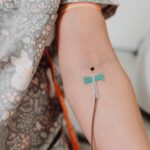
The test itself is simple. A nurse draws blood from a vein in your arm. It takes just a few minutes. The sample is sent to a lab, and results usually come back within a few days.
Do You Need To Fast For A Prolactin Blood Test?
Fasting is not required for a prolactin blood test. You can eat and drink normally before the test. This differs from tests like fasting glucose or cholesterol, where food intake changes the results.
Food does not significantly alter prolactin levels in most people. Some research suggests that a high-protein meal might cause a slight rise in prolactin, but this is not consistent enough to require fasting. Most doctors and labs do not ask patients to fast for this specific test.
That said, your doctor may order other blood tests at the same time. If any of those tests require fasting, you will need to follow those instructions. Ask your doctor or the lab ahead of time if you are unsure.
What Actually Affects Prolactin Levels Before a Test
While food is not a concern, several other factors can raise prolactin levels temporarily. Knowing these can help you get an accurate result.
Stress is a major factor. Physical or emotional stress triggers the release of prolactin. This includes the stress of rushing to the appointment or feeling anxious about the needle. Try to arrive early and take a few minutes to relax before the blood draw.
Exercise is another trigger. Strenuous workouts can raise prolactin levels for a short time. Avoid intense exercise for at least 24 hours before your test. Light walking is fine.
Sleep also matters. Prolactin levels naturally rise during sleep and peak in the early morning. For this reason, doctors often recommend having the blood drawn about two to three hours after you wake up. This timing helps avoid the natural morning peak.
Breast stimulation can raise prolactin levels. This includes nursing, pumping, or even sexual activity that involves the breasts. Avoid any breast stimulation for several hours before the test.



Medications and Other Factors That Can Skew Results
Many common medications can raise prolactin levels. This is one of the most important things to discuss with your doctor before the test. Do not stop taking any prescribed medication without talking to your doctor first.
Medications known to increase prolactin include:
- Antidepressants, especially SSRIs
- Antipsychotics
- Blood pressure medications like verapamil and methyldopa
- Acid reflux medications such as metoclopramide
- Estrogen-containing birth control pills
- Certain pain medications, including opioids
Your doctor needs to know your full medication list, including over-the-counter drugs and supplements. In some cases, your doctor may ask you to stop a medication temporarily before the test. Never do this on your own. Some medications cannot be stopped suddenly without serious side effects.
Other health conditions can also raise prolactin. Kidney disease, liver disease, and an underactive thyroid can all cause elevated levels. Pregnancy and recent breastfeeding also raise prolactin naturally. Tell your doctor if you might be pregnant.
What Do the Results Mean?
Normal prolactin levels vary by sex. For adult men, normal is usually below 15 to 20 nanograms per milliliter. For non-pregnant women, normal is usually below 25 ng/mL. These ranges can vary slightly between labs, so always review your results with your doctor.
A mildly elevated prolactin level is not always a cause for concern. A single high reading might just reflect stress, exercise, or a medication you took. Your doctor will often repeat the test to confirm before investigating further.
Consistently high prolactin levels may indicate a condition called hyperprolactinemia. The most common cause is a small, noncancerous tumor on the pituitary gland called a prolactinoma. These tumors are usually treatable with medication. Other causes include certain medications, hypothyroidism, and polycystic ovary syndrome.
How to Prepare for Your Prolactin Blood Test
Preparation is straightforward. Follow these steps to give yourself the best chance of an accurate result.
- Schedule the test in the morning, about two to three hours after waking
- Avoid strenuous exercise for 24 hours before the test
- Get a normal night of sleep
- Skip breast stimulation, including nursing, for several hours before
- Try to stay calm and relaxed before the blood draw
- Tell your doctor about all medications and supplements you take
- Eat normally unless your doctor says otherwise
If you have an infant and are breastfeeding, talk to your doctor about timing. You may need to pump before the test and wait a few hours before nursing again. Your doctor can help you plan this safely.
Wear comfortable clothing with sleeves that roll up easily. Hydrate well in the hours before your test. Being well hydrated makes the blood draw easier and less stressful.
When to See Your Doctor About Symptoms
Do not wait for a test to talk to your doctor about symptoms. Certain symptoms warrant a medical evaluation regardless of test timing.
In women, symptoms of high prolactin include irregular or missed periods, unexpected breast milk production, breast tenderness, and vaginal dryness. In men, symptoms include erectile dysfunction, reduced sex drive, and breast enlargement. Both sexes may experience headaches or vision changes if a pituitary tumor is large enough to press on nearby structures.
Vision changes, especially loss of peripheral vision, require prompt medical attention. Severe headaches that come on suddenly also need urgent evaluation. These symptoms can indicate a growing pituitary tumor and should not wait for a scheduled appointment.
If your doctor orders a prolactin test, ask why. Understanding the reason helps you know what to expect. It also gives you context for interpreting the results when they arrive.
Frequently Asked Questions
Can I drink coffee before a prolactin blood test?
Yes, you can drink coffee before a prolactin blood test unless your doctor tells you otherwise. Caffeine does not significantly affect prolactin levels, but it may increase anxiety, so keep your intake moderate.
What time of day should a prolactin blood test be done?
Your blood should be drawn about two to three hours after you wake up in the morning. Prolactin levels peak during sleep and fall after waking, so this timing gives the most reliable baseline reading.
Can stress affect prolactin blood test results?
Yes, stress can temporarily raise prolactin levels. Physical and emotional stress both trigger prolactin release, so try to relax for 15 to 30 minutes before your blood draw.
Do I need to stop my medication before a prolactin test?
Only stop medications if your doctor specifically tells you to. Many common drugs raise prolactin levels, but stopping some medications suddenly can be dangerous. Always follow your doctor’s instructions exactly.
