
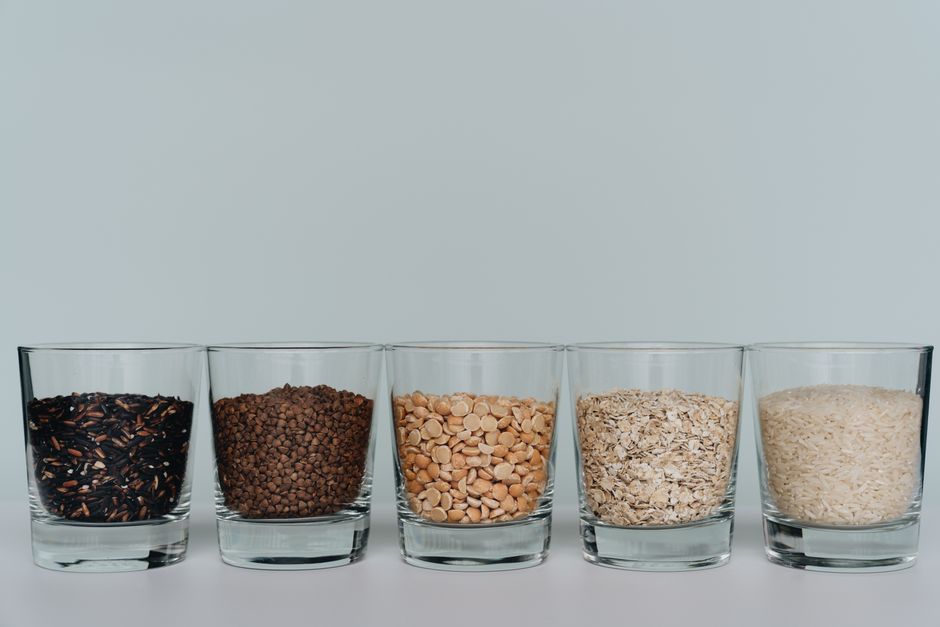
Many home cooks add a splash of oil to their rice pot, believing it prevents sticking or keeps grains separate. Others wonder if it is a necessary step for texture or health. The short answer is no — you do not need cooking oil to make safe, fluffy rice. Plain water and heat are all that is required for the rice to cook properly. However, research and food science show that adding a small amount of oil can change the final texture, and in some specific cases, it may affect the nutritional profile of the rice after it is cooked and cooled.
Why Do People Add Oil to Rice?
The habit of adding oil to rice comes from practical cooking experience. Rice contains starch, and as it cooks, that starch absorbs water and swells. When the grains release excess starch into the cooking water, the rice can become sticky or clump together. Oil coats the outside of the grain, which can create a barrier between the starch and the water. This barrier helps reduce stickiness and keeps individual grains separated.
Most recipes that call for oil use it for texture, not for flavor or health reasons. A teaspoon of neutral oil like canola or vegetable oil is often added to the boiling water before the rice goes in. Some cooks also stir a small amount of oil into the rice after it is cooked to prevent the grains from clumping as they cool.
Using oil is a technique, not a requirement. Rice cooks perfectly well without it. The choice comes down to whether you want separate, distinct grains or a slightly softer, stickier texture.
Does Oil Change the Nutritional Value of Rice?
Adding oil to hot rice does more than change texture — it can alter the starch structure. When cooked rice is cooled, the starch undergoes a process called retrogradation. During this process, the starch molecules re-form into a more ordered structure that is harder for the body to digest quickly. This is why cooled rice has a lower glycemic response than freshly cooked rice for some people.
Some research suggests that adding a small amount of oil before cooking changes how the starch interacts with the water. The oil can get into the starch granules and form a complex with the amylose, one of the two main types of starch in rice. This complex may slow down digestion even further. Some studies indicate that adding oil to rice before cooking and then cooling it can increase the amount of resistant starch — the type of starch that resists digestion in the small intestine and acts more like fiber.
The evidence here is not overwhelming. The studies are small, and the effect varies depending on the type of rice, the amount of oil, and how long the rice is cooled. But the mechanism is biologically plausible. Fat can slow stomach emptying, which also slows the absorption of carbohydrates into the bloodstream.
What matters for most people is the overall meal. Eating rice with a source of protein and vegetables will slow digestion more reliably than adding a teaspoon of oil to the pot. If you are managing blood sugar, the oil trick is not a substitute for balanced meals or portion control.
Does Oil Prevent Rice From Sticking?
Oil can help, but it is not the only way to prevent sticky rice. The stickiness of rice depends mostly on the type of rice you buy. Short-grain rice like sushi rice has more amylopectin, the branched starch that makes rice sticky. Long-grain rice like jasmine or basmati has more amylose, which keeps grains separate and fluffy.
If you are cooking long-grain rice and it comes out sticky, the problem is usually not a lack of oil. It is more likely that you are using too much water, cooking it too long, or stirring it too often. Stirring breaks the grains and releases more starch, which makes the rice gummy.
If you want fluffy rice without oil, rinse the rice thoroughly before cooking. Rinsing removes surface starch from the grains, which is the main cause of stickiness. Then use the correct water-to-rice ratio and let the rice rest for five to ten minutes after cooking with the lid on. This resting period allows the moisture to distribute evenly and the grains to firm up.





What Type of Oil Is Best for Rice?
If you decide to add oil, the type matters less than you might think. Neutral oils like canola, sunflower, or grapeseed oil do not add flavor. Olive oil adds a mild flavor that works well in Mediterranean-style rice dishes. Coconut oil adds a subtle sweetness that pairs well with Asian dishes.
The amount is more important than the type. A small amount — roughly one teaspoon per cup of dry rice — is enough to coat the grains. Adding more oil does not make the rice fluffier. It just adds unnecessary calories and can make the rice greasy.
There is no clinical guideline that recommends a specific type of oil for cooking rice. The choice is based on flavor preference and what you have in your kitchen. Any cooking oil that is stable at high temperatures is safe to use.
Is Fried Rice the Exception?
Fried rice is a different situation entirely. In fried rice, oil is not optional — it is the cooking medium. The rice is stir-fried in a hot pan with oil to achieve the characteristic toasted flavor and slightly chewy texture. Day-old rice is typically used because it is drier, which helps the grains stay separate during frying.
For regular steamed or boiled rice, oil is not needed. But if you are making fried rice, the oil serves a completely different purpose. It conducts heat, prevents the rice from burning, and carries flavor from the other ingredients.
The amount of oil in fried rice is also higher. A serving of fried rice can contain several teaspoons of oil, which significantly increases the calorie content compared to steamed rice. If you are watching your calorie intake, fried rice is not the same as plain rice with a drop of oil added to the pot.
Does Oil Affect How Long Rice Stays Fresh?
Oil does not meaningfully extend the shelf life of cooked rice. Cooked rice should be refrigerated within two hours of cooking and eaten within three to four days. This is a food safety guideline based on the risk of bacterial growth, specifically Bacillus cereus, which can cause food poisoning.
Some people believe that adding oil prevents rice from drying out in the refrigerator. Oil can coat the grains and slow moisture loss, but the effect is minor. The best way to keep cooked rice moist is to store it in an airtight container. When reheating, add a tablespoon of water per cup of rice and cover it to create steam.
Adding oil to rice before refrigeration does not prevent bacterial growth. If you want to keep rice safe, the priority is cooling it quickly and refrigerating it promptly. Oil is not a preservative.
Do You Need Cooking Oil For Rice? What Research Says About Blood Sugar
Research on the relationship between oil, rice, and blood sugar is still developing. The concept is that adding fat to a carbohydrate-rich food can lower the glycemic response. This happens because fat slows the rate at which the stomach empties, which delays the absorption of glucose into the bloodstream.
Some small studies have looked specifically at adding oil to rice and measuring blood sugar responses. The results suggest that adding oil can modestly reduce the blood sugar spike compared to eating plain rice. However, the effect is not consistent across all types of rice or all individuals.
The practical takeaway is this: adding a small amount of oil to rice may slightly reduce the blood sugar response, but it does not make rice a low-glycemic food. If you are managing diabetes or prediabetes, the most effective strategies remain choosing whole grain rice, controlling portion sizes, and pairing rice with protein and fiber-rich vegetables.
What About Cooking Oil Alternatives?
Some cooks use butter, ghee, or margarine instead of liquid oil. Butter and ghee add flavor and can be used in the same way. Ghee has a higher smoke point than butter, which makes it better for high-heat cooking. For plain boiled rice, the heat is not high enough for smoke point to matter.
There is no health advantage to using butter over oil in rice. Butter contains saturated fat, while liquid vegetable oils contain mostly unsaturated fat. For heart health, liquid oils are generally the better choice, but the difference is small when you are only using a teaspoon per pot of rice.
If you are cooking rice for a person with a known allergy or sensitivity, check the oil label. Some commercial vegetable oils are processed in facilities that also handle soy, peanut, or tree nuts. For most people this is not a concern, but for someone with a severe allergy, it is worth verifying.
Frequently Asked Questions
Can I cook rice without any oil?
Yes, rice cooks perfectly well in water alone without any oil. Rinse the rice first and use the correct water ratio to prevent stickiness.
Does adding oil to rice reduce calories?
No, adding oil increases the calorie content because oil is pure fat. One teaspoon of oil adds about 40 calories to the entire pot of rice.
Is coconut oil better than olive oil for rice?
Neither is better from a health standpoint in the small amounts used for cooking rice. Choose based on the flavor you want in the finished dish.
Does oil stop rice from spoiling?
No, oil does not prevent spoilage. Refrigerate cooked rice within two hours and eat it within three to four days regardless of whether oil was used.
