
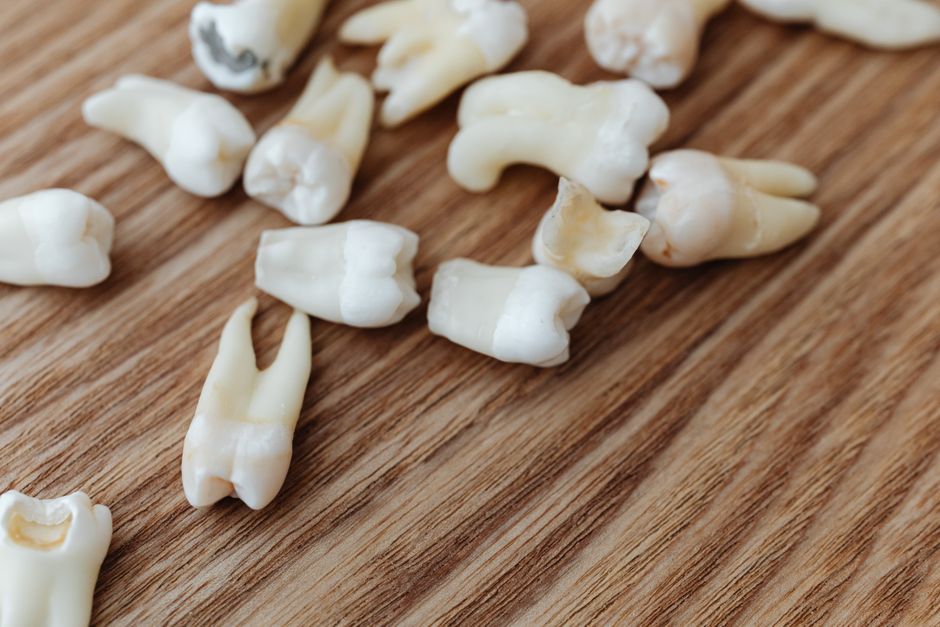
Yes, you do lose your molars — but only once. Children lose their baby molars to make room for permanent teeth. Adults do not naturally lose any permanent molars. If you lose a molar as an adult, it is usually due to tooth decay, gum disease, or injury. This article explains exactly how that works and what it means for your dental health.
Do Children Lose Their Molars?
Yes, children lose their primary (baby) molars. The first set of molars — usually four — come in around age 1 to 2. A second set of primary molars typically appears around age 2 to 3. All eight primary molars fall out during childhood to make room for permanent premolars and molars.
This is a normal part of tooth development. The roots of the baby molars dissolve as the permanent teeth underneath push upward. Eventually the baby tooth becomes loose and falls out. Most children have lost all their primary molars by age 12.
How Many Molars Do Children Have?
Children have eight primary molars total — two on the top left, two on the top right, two on the bottom left, and two on the bottom right. These are the first and second primary molars. There are no third molars in baby teeth.
Permanent molars start coming in around age 6. The first permanent molars arrive behind the last primary molar. By early adulthood, most people have 12 permanent molars: three on each side of each jaw (first, second, and third molars). The third molars are the wisdom teeth.
When Do Baby Molars Fall Out?
The first primary molars (the ones closest to the front) usually fall out around ages 9 to 11. The second primary molars (the ones farther back) typically fall out between ages 10 and 12. These ages can vary by a year or two on either side.
After a baby molar falls out, the permanent premolar or molar will eventually come in to replace it. If a baby molar is lost too early — for example from decay or injury — the permanent tooth may come in misaligned or other teeth may shift. Dentists sometimes place a space maintainer to prevent that.





Do Adults Lose Their Permanent Molars?
Adults do not naturally lose their permanent molars. Unlike baby teeth, permanent molars have roots that are anchored into the jawbone. They do not loosen or fall out on their own. If an adult loses a molar, it is due to disease, infection, or trauma.
The most common causes are advanced tooth decay that cannot be repaired, severe gum disease (periodontitis) that destroys the supporting bone, or a tooth fracture that goes below the gum line. Wisdom teeth are sometimes removed because they are impacted or cause crowding, but that is an extraction, not natural loss.
What Causes Molar Loss in Adults?
Tooth decay is the leading cause of molar loss. Molars have deep grooves that trap food and bacteria. If plaque is not cleaned away, cavities can form and grow. If a cavity reaches the pulp (the nerve and blood vessels inside), it can cause infection that kills the tooth. Once a tooth dies, it may need extraction because it cannot be saved with a root canal.
Periodontal (gum) disease is another major cause. When gum infection spreads to the bone that holds the tooth, the bone erodes. Over time the molar becomes loose and may fall out or require removal. Smoking, diabetes, and poor oral hygiene raise the risk of gum disease.
Injury from accidents or sports can also crack or knock out a molar. If the tooth breaks below the gum line, saving it is often not possible.
Can You Prevent Molar Loss?
Yes, most molar loss in adults is preventable with good oral care. Brushing twice a day with fluoride toothpaste, flossing daily, and visiting a dentist regularly can stop cavities and gum disease before they cause lasting damage.
Dental sealants — thin plastic coatings applied to the chewing surfaces of molars — reduce the risk of cavities in children and some adults. Fluoride treatments, either from toothpaste or a dentist, strengthen enamel. For gum disease, early treatment with deep cleaning (scaling and root planing) can prevent bone loss.
Avoiding tobacco and managing conditions like diabetes also lower your risk. If a molar has a small cavity, a filling can restore it. If the decay is deeper, a root canal and crown can save the tooth in many cases. Extraction is not the only option.
What Happens If You Lose a Molar?
Losing a molar can cause problems beyond the missing tooth itself. The teeth next to it may shift into the gap. The tooth above or below may start to come out of the socket because it has nothing to bite against. This can lead to bite problems, jaw pain, and difficulty chewing.
Bone loss in the jaw can also occur where the tooth root used to be. Over time, the jawbone shrinks. This can change the shape of your face and make future dental implants more difficult. Replacing a missing molar is often recommended to prevent these issues.
How Are Lost Molars Replaced?
Several options exist for replacing a missing molar. A dental implant is the closest to a natural tooth. A metal post is placed into the jawbone, and a crown is attached on top. Implants can last many years with good care.
A dental bridge is another option. It uses crowns on the two adjacent teeth to hold a fake tooth in between. Bridges do not require surgery but do involve grinding down healthy teeth on either side. A partial denture can replace one or more missing molars, but it is removable and less stable than an implant or bridge.
The best option depends on your oral health, bone density, budget, and your dentist’s recommendation. Not every missing molar needs to be replaced — for example, if it is a wisdom tooth, replacement is rarely needed.
Frequently Asked Questions
Do you lose your molars as an adult?
No, adults do not naturally lose their permanent molars. If a molar is lost, it is usually due to decay, gum disease, or injury.
What age do you lose your second molars?
The second primary molars (baby teeth) usually fall out between ages 10 and 12. Permanent second molars are not lost naturally.
Can a loose permanent molar tighten back up?
Sometimes a loose permanent molar from mild gum disease can tighten after successful periodontal treatment. But if bone loss is severe, the tooth may not become stable again.
Is it normal to lose a molar at age 20?
No, losing a permanent molar at age 20 is not normal. It likely results from untreated tooth decay, gum disease, or trauma. A dentist should evaluate the cause.
