
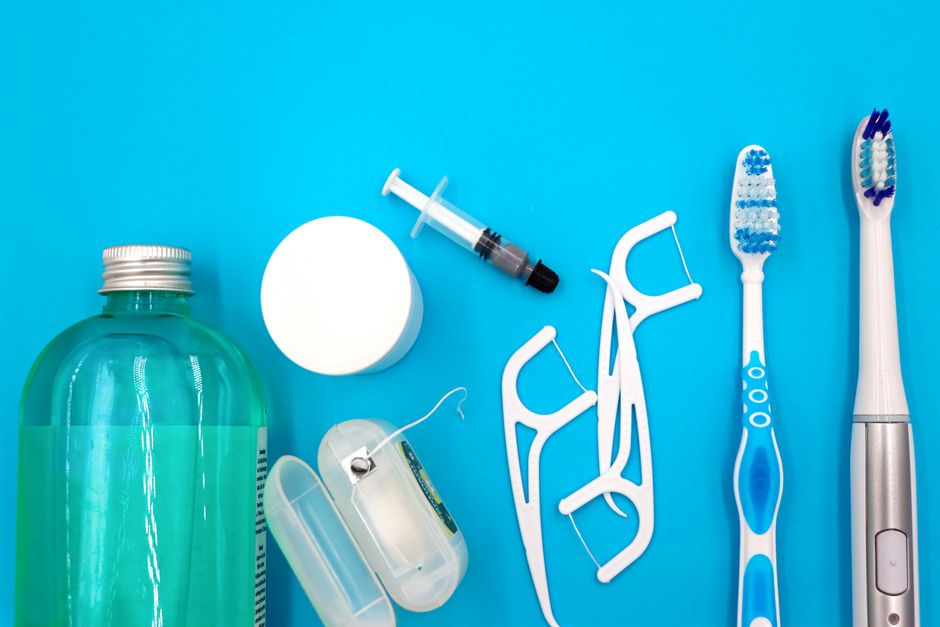
Floss first, then brush. That is the order dental professionals generally recommend, and the reasoning is practical rather than ceremonial. Flossing loosens the plaque and food debris between your teeth, and brushing afterward clears that debris away while delivering fluoride to the cleaned surfaces. Doing it in the reverse order leaves the loosened particles sitting between your teeth until your next cleaning session.
Do You Floss Or Brush First?
Flossing before brushing is the order most dental professionals recommend, and it comes down to what each step actually does.
Your toothbrush bristles reach the flat surfaces of your teeth and, to some degree, the gumline. They do not reach the tight spaces between teeth where a toothbrush cannot fit. That is the job of floss or another interdental cleaner. When you floss first, you disrupt the plaque biofilm in those spaces and pull out trapped food. Brushing afterward then sweeps away what the floss freed and coats the now-clean surfaces with fluoride toothpaste.
There is a second reason that has nothing to do with debris. Fluoride works best on clean enamel. If a layer of plaque sits between the fluoride and the tooth surface, the mineral has less direct contact with the enamel it is meant to help. Removing plaque first — including between the teeth — means the fluoride in your toothpaste reaches more of the tooth surface.
Some research has looked directly at this question. Studies comparing flossing before versus after brushing have generally found that flossing first leads to higher fluoride levels between the teeth after brushing. The measured differences are modest, and the studies are not large. But the direction of the finding is consistent with the simple mechanical logic above. There is no evidence that brushing first and flossing second causes harm. It is simply less efficient at cleaning and at getting fluoride where it needs to go.
Does The Order Really Matter That Much?
Order matters less than consistency. If the choice is between flossing after brushing every day and flossing before brushing only occasionally, the daily habit wins.
This is where a lot of people get stuck. They read that flossing first is better, decide the routine is now too complicated, and skip flossing altogether. That is a worse outcome than doing it in the “wrong” order. The single most important factor in preventing gum disease and cavities between teeth is whether you clean between your teeth at all, and how often.
Dental professionals generally recommend cleaning between your teeth once a day. The specific time of day matters less than making it a reliable habit. Many people prefer the evening because it clears the day’s buildup before sleep, when saliva flow drops and the mouth is less able to buffer acids and wash away bacteria.
So the honest framing is this: floss first if you can, because it is slightly more effective. But do not let the ideal order become a reason to skip the step.
What Does Flossing Actually Do That Brushing Cannot?
Flossing removes plaque and food debris from the spaces between teeth and just under the gumline — areas a toothbrush cannot reach.
Plaque is a sticky film of bacteria that forms on teeth continuously. When it is not disrupted, the bacteria in it produce acids that attack enamel and irritate gum tissue. Over time, plaque hardens into tartar, which cannot be removed by brushing or flossing at home and requires professional cleaning. The spaces between teeth are especially vulnerable because they are narrow, easy to neglect, and close to the gumline.
Cavities that form between teeth — sometimes called interproximal cavities — are common, and they are hard to see without dental X-rays. Gum disease also often begins in the spaces between teeth, where plaque accumulates and the gums become inflamed. This is why cleaning between the teeth is not optional in the way some people treat it. It addresses a different set of surfaces than brushing does.
One clarification worth making: flossing is not just about removing visible food. The more important target is the invisible bacterial biofilm. Even if nothing feels stuck between your teeth, plaque is still forming there.
Is Flossing Or Another Interdental Cleaner Better?
Floss is one option among several for cleaning between teeth, and the best one is the one you will actually use correctly and consistently.
String floss remains the most widely recommended tool and is generally the least expensive. But it requires some technique to use effectively, and some people find it awkward, especially with braces, bridges, or limited dexterity. Other interdental tools exist:
- Interdental brushes — small brushes sized to fit between teeth. For people with wider spaces between teeth or gum recession, these can clean more effectively than floss. A dental professional can help you find the right size.
- Water flossers — devices that direct a stream of water between teeth. They can help remove debris and are easier for some people to use, though the evidence on their ability to remove plaque compared with string floss is mixed.
- Floss picks and flossers — handheld tools that hold a short length of floss. They can make flossing easier, particularly for people who struggle with traditional floss.
The evidence comparing these tools is not clear-cut. Some studies suggest interdental brushes outperform floss in certain situations, particularly where spaces are wider. For most people with tightly spaced teeth, string floss remains a reasonable default. The key point is that cleaning between the teeth with some tool is what matters.
How Should You Floss And Brush For Best Results?
Technique matters as much as order. Poor flossing and rushed brushing leave plaque behind even when the sequence is right.
For flossing, use a length of floss long enough to wrap around your fingers and work between each tooth. Slide it gently between the teeth rather than snapping it down onto the gums. Curve it into a C-shape around the side of each tooth and move it up and down, going below the gumline where the tooth meets the gum. Use a fresh section of floss for each gap. Rushing this step is common — the goal is to actually disrupt the plaque, not just pass floss between the teeth.
For brushing, a soft-bristled toothbrush and fluoride toothpaste are the standard. Angle the bristles toward the gumline and use gentle, short strokes. Brushing too hard or with a hard brush can wear down enamel and irritate gums over time. Two minutes is the commonly recommended duration, though many people brush for far less. A timer or an electric toothbrush with a built-in timer can help.
Spit out excess toothpaste after brushing rather than rinsing with water. Rinsing washes away the fluoride that is still working on your teeth. This is one of the more useful and less widely known points: the small amount of toothpaste left on your teeth after spitting continues to provide fluoride protection.
When Should You See A Dentist?
Home care does not replace professional care. Regular dental visits allow for cleaning that removes tartar and for early detection of problems that are hard to see or feel.
Some signs warrant a prompt dental visit rather than waiting for a routine appointment:
- Gums that bleed easily or frequently when you brush or floss
- Persistent bad breath that does not improve with good home care
- Red, swollen, or tender gums
- Teeth that feel loose or have shifted
- Pain when chewing or sensitivity that persists
Bleeding gums are often an early sign of gum inflammation, and it is not something to ignore or to avoid by flossing less. In many cases, bleeding gums improve with consistent, gentle cleaning between the teeth as the inflammation settles. But if bleeding continues despite good home care, it is worth having a dentist take a look.
The frequency of dental visits is something to discuss with your dentist, since individual needs vary. General guidance often points to checkups at regular intervals, but the right schedule depends on your gum health, cavity history, and other factors.
Frequently Asked Questions
Should you floss before or after brushing?
Floss before brushing. Flossing first loosens plaque and debris between teeth, and brushing afterward clears it away while delivering fluoride to the cleaned surfaces.
Can you brush first and floss after?
Yes, and it still helps clean between your teeth. Flossing first is generally considered slightly more effective, but flossing consistently matters more than the order.
How often should you floss?
Dental professionals generally recommend cleaning between your teeth once a day. Daily cleaning disrupts plaque before it can harden into tartar.
Does flossing actually prevent cavities?
Cleaning between teeth helps remove plaque from surfaces a toothbrush cannot reach, and those surfaces are where interproximal cavities commonly form. The benefit depends on doing it effectively and regularly.
