
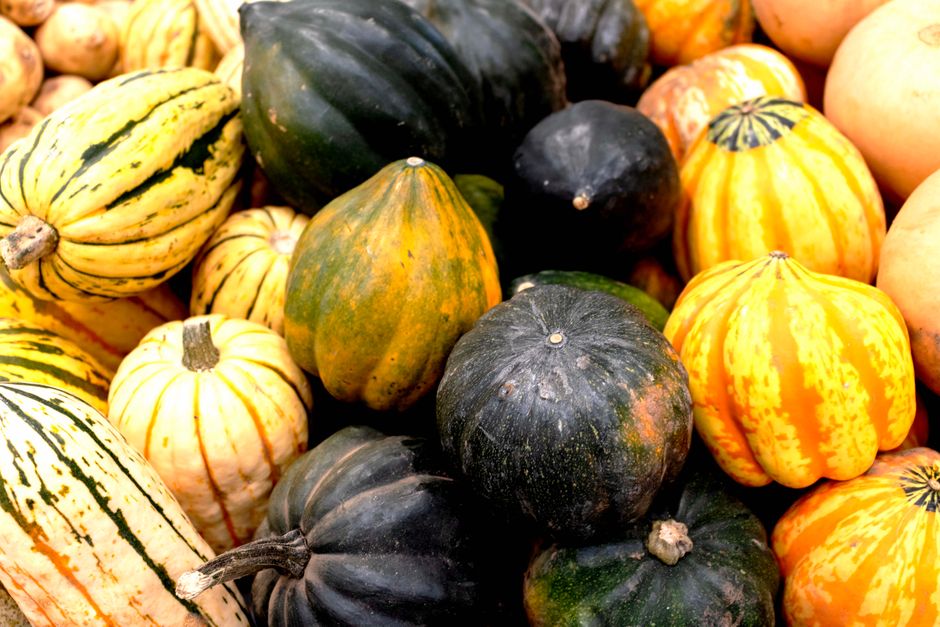
Yes, you can eat the skin of an acorn squash. It is edible, and for most healthy adults there is no safety reason to peel it. The more useful question is whether the skin is worth eating — and the honest answer is that it depends on how you cook the squash.
Acorn squash skin is thin compared with butternut or spaghetti squash. It softens when roasted, and it carries fiber and nutrients that the flesh alone does not provide in the same amounts. The catch is texture. Undercooked acorn squash skin stays tough and slightly bitter, which is why many people peel it by habit rather than necessity.
Is Acorn Squash Skin Actually Edible?
Acorn squash skin is edible in the same sense that zucchini skin and delicata squash skin are edible. It is not a rind like a pumpkin shell or a watermelon rind. It is a thin outer layer of the same plant tissue.
The confusion comes from winter squash being grouped together. Acorn squash belongs to Cucurbita pepo, the same species as zucchini and delicata. Butternut and Hubbard squash belong to Cucurbita moschata, and those tend to have thicker, harder skins. Acorn squash sits on the thinner end of the winter squash range.
That matters practically. A butternut skin often needs to be removed because it never fully softens, even after long roasting. Acorn squash skin does soften, provided it is cooked long enough and the squash is mature but not oversized.
One clarification worth making: “edible” and “pleasant” are not the same claim. The skin is safe to eat. Whether you enjoy it depends on cooking method and personal preference. There is no nutritional penalty for peeling it, and no nutritional requirement to eat it.
Do You Eat The Skin Of An Acorn Squash? What Research Says About Nutrition
No study has directly compared the nutrient content of acorn squash flesh with acorn squash skin. That specific research does not appear to exist. What does exist is broader data on squash composition and on the general principle that skins concentrate certain nutrients.
In most vegetables and fruits, the outer layer contains higher concentrations of fiber, and often higher levels of certain vitamins and polyphenol compounds, than the inner flesh. This pattern is well documented across produce generally. It is reasonable to expect acorn squash skin to follow the same pattern, though it has not been measured specifically in this squash.
What is measured is the flesh. According to USDA data, cooked acorn squash is a strong source of vitamin A (largely as beta-carotene), vitamin C, potassium, and fiber. It is also low in calories. A cup of cooked cubes provides a meaningful share of daily vitamin A needs.
If you eat the skin, you are adding fiber and likely some additional carotenoids and polyphenols. If you peel it, you still get most of the vitamins, because the flesh itself is where the bulk of the beta-carotene sits in this squash. The nutritional difference is real but modest — not a reason to force yourself to eat something you dislike.
What about oxalates and other compounds?
Winter squash, including acorn, contains oxalates. Oxalates are natural plant compounds found in many foods, including spinach, rhubarb, almonds, and potatoes. For most people they are harmless.
People with a history of calcium oxalate kidney stones are sometimes advised to moderate high-oxalate foods. Squash is not among the highest-oxalate foods, but it is not oxalate-free. If you have kidney stone disease, that is a conversation to have with your clinician rather than something to resolve from a general article.
Why Does Acorn Squash Skin Sometimes Taste Bitter?
Bitterness in squash comes from compounds called cucurbitacins. These are the same class of compounds that give some cucumbers and zucchini a bitter edge. They exist in the plant as a natural defense against insects and grazing animals.
In normal, commercially grown acorn squash, cucurbitacin levels are low. You may notice a faint bitterness in the skin, especially near the stem end. That is usually normal and not a safety concern.
There is one situation where bitterness matters. Occasionally, through cross-pollination with wild cucurbit species, a squash can produce unusually high levels of cucurbitacins. When that happens, the squash tastes sharply, unpleasantly bitter — not mildly bitter, but aggressively so. Very high cucurbitacin levels can cause nausea, vomiting, and diarrhea.
This is uncommon in store-bought squash. If a squash tastes intensely bitter, the safe move is to stop eating it and discard it. Do not try to mask it with seasoning. Mild bitterness from the skin is a different thing and is not a health concern.
How Should You Cook Acorn Squash So The Skin Softens?
Roasting is the method most likely to give you skin that is tender enough to eat comfortably. The principle is simple: the skin softens with sustained heat, and it softens faster when the squash is cut into pieces rather than cooked whole.
- Halve and roast cut-side down. Place halves cut-side down on a lined sheet pan. The cut surface caramelizes, and the skin steams against the pan.
- Use a moderate oven. Around 400°F (about 200°C) works well. Higher heat can char the skin before the interior is done.
- Give it enough time. Depending on size, halves typically need roughly 40 to 50 minutes. The skin should give easily when pressed.
- Cut into wedges for faster cooking. Wedges or rings cook faster and produce more surface area where the skin softens.
Microwaving first, then finishing in the oven, shortens total cooking time and helps the skin soften. Steaming works too, though it produces a softer, wetter texture rather than caramelized edges.
If you want to eat the skin, avoid recipes that cook the squash briefly at high heat. Those tend to leave the skin leathery. If you plan to peel, cooking method matters less.
Who Might Want To Peel Acorn Squash Instead?
Peeling is a reasonable choice for several groups, and there is nothing wrong with it.
- People with sensitive digestion or a history of diverticulitis who find tough plant skins uncomfortable
- Anyone with chewing or swallowing difficulty
- Young children, for whom tough skins can be a choking texture
- People with kidney stone disease who are watching oxalate intake
- Anyone who simply does not like the texture
For older adults, fiber from skins is generally beneficial, but very tough textures can be hard to chew. Roasting until very soft solves this for most people.
There is no clinical guideline that says you must eat squash skin. The fiber and nutrients in the skin are a bonus, not a requirement. The flesh alone is already a nutritious food.
Does Eating The Skin Change How You Store Or Prep Acorn Squash?
If you plan to eat the skin, wash the outside of the squash before cutting. Squash grows on the ground, and the skin can carry soil and surface bacteria. Scrubbing under running water with a produce brush is standard food safety practice for any produce you intend to eat with the skin on.
Acorn squash keeps well. Whole squash stored in a cool, dry place — around 50 to 55°F is often cited for winter squash — can last for weeks to a few months. Once cut, refrigerate the pieces in a covered container and use them within a few days.
Cooked squash, with or without skin, freezes well. Cool it first, then freeze in portions. Texture softens further after freezing, which some people prefer.
Is There Any Reason To Avoid Acorn Squash Skin?
For most people, no. The main considerations are the ones already covered: oxalates for people with kidney stone history, very rare high-cucurbitacin squash that tastes sharply bitter, and texture issues for certain groups.
One point worth stating plainly: there is no evidence that acorn squash skin provides any special therapeutic benefit. It is a food, not a treatment. Claims that squash skins “detoxify” or “boost immunity” in specific measurable ways are not supported by clinical research. The skin adds fiber and some nutrients. That is the honest scope of it.
If you like the skin, eat it. If you do not, peel it. Both are fine choices, and neither will meaningfully change your health on its own.
Frequently Asked Questions
Can you eat acorn squash skin raw?
Raw acorn squash skin is edible but very tough and hard to chew. It is usually cooked first because heat softens the skin and improves both texture and flavor.
Is acorn squash skin healthy to eat?
It adds fiber and likely some additional carotenoids and polyphenols, based on general patterns in produce. No study has measured the specific nutrient difference between acorn squash skin and flesh.
Why is my acorn squash skin so hard?
Hard skin usually means the squash was undercooked or was a larger, more mature squash. Roasting cut pieces at moderate heat for longer, or microwaving briefly first, softens the skin.
Should I peel acorn squash for kids?
Peeling is often easier for young children because tough skins can be a choking texture. If you roast the squash until very soft, the skin is usually manageable for older kids.
