
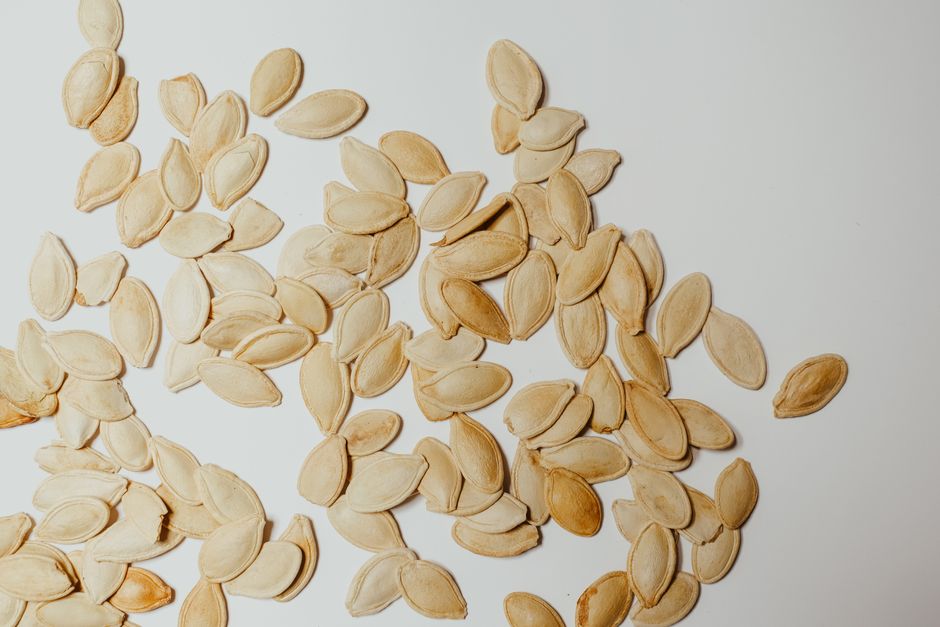
Yes, you can eat pumpkin seeds raw. They are safe to eat straight from the shell and retain more of their nutrients that way than when roasted. The main things to know are how to prepare them, how much to eat, and who should be cautious.
Pumpkin seeds are the edible seeds inside the pumpkin’s central cavity. People eat them raw, roasted, salted, and ground into flour. Raw is the simplest option, and for most healthy adults it is a reasonable one.
Are Raw Pumpkin Seeds Safe to Eat?
Raw pumpkin seeds are safe for most healthy adults. They are a common food around the world and have a long history of being eaten uncooked.
The main safety concern with any raw seed is contamination. Pumpkin seeds grow inside the pumpkin, protected by the rind, which lowers the risk compared with foods exposed to soil and water during growth. Still, no raw agricultural product is sterile. Washing the seeds well after removing them from the pumpkin removes pulp and surface debris.
People with weakened immune systems, pregnant women, and young children may want to be more careful with any raw food, including raw seeds. If you have a compromised immune system, talk to your doctor about whether raw seeds fit your diet.
One practical point: raw pumpkin seeds are harder to chew than roasted ones. Chew them thoroughly. Whole seeds swallowed without chewing can pass through undigested, and in rare cases large amounts of unchewed seeds have caused digestive blockages. This is uncommon but worth knowing.
Do You Eat Pumpkin Seeds Raw or Roasted?
Both work, and the choice comes down to nutrition versus taste and texture. Raw seeds keep more of their nutrients. Roasting adds flavor and crunch but can reduce some heat-sensitive nutrients.
Roasting at high heat for a long time can lower levels of certain vitamins and damage some of the healthy fats in the seeds. Light roasting at moderate heat preserves most of the nutritional value while improving taste and texture.
Raw pumpkin seeds have a mild, slightly grassy flavor and a chewy texture. Roasted seeds taste nuttier and are crunchier. Many people prefer roasted for snacking and raw for adding to smoothies, oatmeal, or salads where the texture matters less.
There is no rule that says one is better. If you like the taste of raw seeds and digest them well, eating them raw is a fine choice. If you find them hard to chew or bland, roasting them lightly is a reasonable compromise.
What Nutrients Do Raw Pumpkin Seeds Contain?
Pumpkin seeds are dense in several nutrients. A one-ounce serving of raw pumpkin seeds, about 28 grams, provides a meaningful amount of protein, healthy fats, and minerals.
According to USDA nutritional data, one ounce of raw pumpkin seeds (kernels) contains roughly:
- About 150 to 160 calories
- Around 7 grams of protein
- Roughly 12 to 13 grams of fat, mostly unsaturated
- About 5 grams of carbohydrates, including some fiber
- Significant magnesium, zinc, iron, and phosphorus
Pumpkin seeds are one of the better plant sources of magnesium and zinc. Magnesium supports muscle and nerve function and helps regulate blood pressure. Zinc supports immune function and wound healing. These are well-established roles, not marketing claims.
They also contain plant compounds called phytosterols and antioxidants, including vitamin E. Some research suggests these compounds may support heart health, though the evidence from human trials is not strong enough to make firm claims about disease prevention.
Raw seeds retain more of their vitamin E and certain antioxidants than heavily roasted seeds, because these compounds are sensitive to heat. This is one of the clearer nutritional arguments for eating them raw.
How Many Raw Pumpkin Seeds Should You Eat a Day?
A reasonable portion is about one ounce, or a small handful, per day. That amount delivers useful nutrients without adding too many calories.
There is no official daily recommendation specifically for pumpkin seeds. General dietary guidance encourages nuts and seeds as part of a balanced diet, but it does not set a target for pumpkin seeds alone.
Because pumpkin seeds are calorie-dense, eating large amounts can add up quickly. A one-ounce serving is around 150 to 160 calories. Eating several handfuls a day is easy to do and can crowd out other foods or push your calorie intake higher than you intend.
Pumpkin seeds are also high in fiber. Eating a large amount at once, especially if you are not used to them, can cause bloating or digestive discomfort. Start with a small portion and see how you feel.
Who Should Be Careful With Raw Pumpkin Seeds?
Most people can eat raw pumpkin seeds without problems. A few groups should take extra care.
Pumpkin seeds are high in phosphorus and contain oxalates. People with a history of kidney stones, particularly calcium oxalate stones, may want to moderate their intake. Oxalates are compounds found in many plant foods that can contribute to stone formation in susceptible people. This does not mean everyone needs to avoid them, but if you have had kidney stones, it is worth discussing with your doctor.
People taking blood thinners should be aware that pumpkin seeds contain vitamin K, which plays a role in blood clotting. The amount is modest, but if you are on a blood thinner such as warfarin, consistency in vitamin K intake matters. Sudden large changes in how many seeds you eat could affect clotting control. Talk to your doctor or pharmacist if you are unsure.
Pumpkin seeds are a common allergen, though reactions are uncommon. If you have a known seed or nut allergy, introduce them cautiously.
For children, whole raw seeds can be a choking hazard, especially for kids under four. Ground or finely chopped seeds are safer for young children. No clinical guidelines set a specific safe amount of pumpkin seeds for infants or very young children, so keep portions small and appropriate for age.
How Do You Prepare Raw Pumpkin Seeds?
Preparing raw pumpkin seeds takes a few simple steps. Start by cutting open the pumpkin and scooping out the seeds and pulp into a bowl.
Separate the seeds from the stringy pulp. Rinse them in a colander under running water, rubbing them gently to remove the pulp. Some people soak the seeds in water for a short time to make cleaning easier.
After rinsing, spread the seeds on a clean towel or paper towel and let them dry. Drying helps prevent spoilage and makes them easier to store. Once dry, they are ready to eat or to store in an airtight container.
Store raw pumpkin seeds in a cool, dry place or in the refrigerator for longer freshness. The oils in the seeds can go rancid over time, so keep them away from heat and light. If they smell stale or bitter, discard them.
You can eat the whole seed, shell and all, or remove the shell to get to the green kernel inside. The shell is edible and adds fiber. Many people prefer the kernel for a softer texture.
The Bottom Line
Raw pumpkin seeds are a safe, nutrient-dense food for most people. They keep more of their vitamins and antioxidants than roasted seeds and are easy to prepare at home.
A small handful a day is a sensible portion. People with kidney stone history, those on blood thinners, and young children should take extra care or check with a doctor. For everyone else, raw pumpkin seeds are a simple, honest addition to a balanced diet.
Frequently Asked Questions
Can you eat pumpkin seeds straight from the pumpkin?
Yes, you can eat them straight from the pumpkin after rinsing off the pulp. Drying them first improves texture and storage life.
Are raw pumpkin seeds better than roasted?
Raw seeds retain more heat-sensitive nutrients like vitamin E and certain antioxidants. Roasted seeds taste nuttier and are crunchier, so the better choice depends on your priorities.
How many raw pumpkin seeds can I eat a day?
About one ounce, or a small handful, is a reasonable daily portion. There is no official recommendation, and eating much more adds significant calories and fiber.
Are raw pumpkin seeds hard on your stomach?
They can cause bloating or discomfort if you eat a large amount, mainly due to their fiber content. Start with a small portion and chew them well.
